

According to TechSci Research report, “Oil and Gas Pipeline Leak Detection Market Report- Global Industry Size, Share, Trends, Opportunity, and Forecast 2021-2031”, The Global Oil and Gas Pipeline Leak Detection Market will grow from USD 2.71 Billion in 2025 to USD 3.47 Billion by 2031 at a 4.21% CAGR.
Leak detection technologies are essential for ensuring operational safety, environmental protection, and financial sustainability. Pipeline leaks can lead to severe environmental damage, regulatory penalties, and substantial financial losses. As a result, energy companies are increasingly investing in advanced detection systems to mitigate risks and enhance operational efficiency.
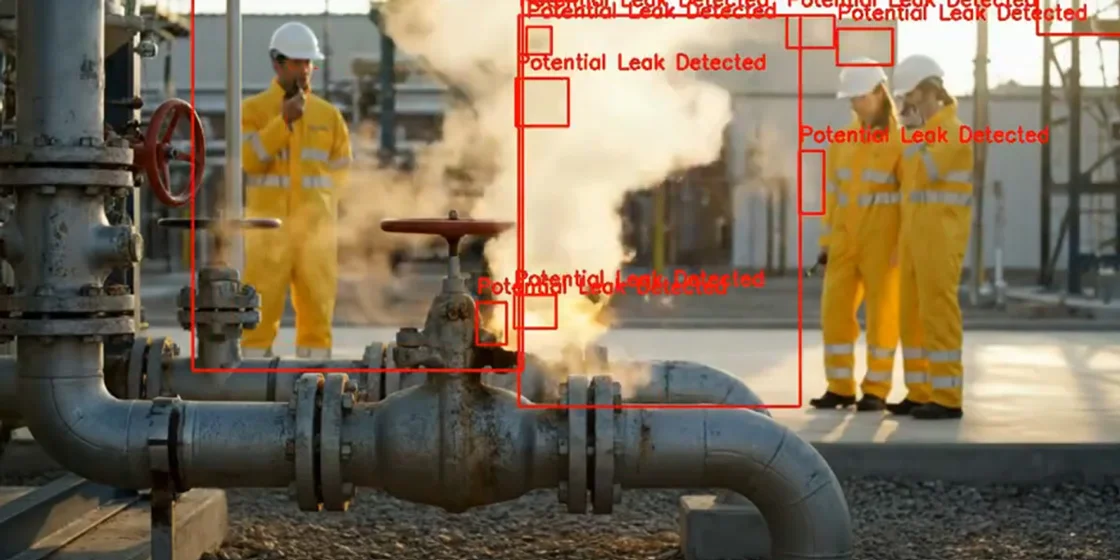
Industry Key Highlights
The market is projected to witness steady growth driven by regulatory compliance and environmental concerns.
Increasing adoption of advanced technologies such as artificial intelligence (AI), machine learning (ML), and Internet of Things (IoT).
Rising investments in pipeline infrastructure across both developed and emerging economies.
Growing focus on sustainability and environmental protection.
Dominance of the onshore segment due to aging infrastructure and higher risk of leaks.
Acoustic emission technology emerging as a preferred external leak detection method.
North America leading the market due to technological advancements and strict regulatory frameworks.
Increasing deployment of fiber optic sensing and real-time monitoring systems.
Expansion of digital oilfield technologies enhancing leak detection capabilities.
Strong participation of global technology providers and engineering firms.
Request For Sample Copy of Report For More Detailed Market insight: https://www.techsciresearch.com/sample-report.aspx?cid=16548#requestform
Market Overview
The oil and gas pipeline leak detection market is integral to maintaining the integrity and reliability of pipeline systems. Pipelines serve as the backbone of energy transportation, carrying crude oil, natural gas, and refined products across vast distances. However, these pipelines are susceptible to leaks caused by corrosion, mechanical failures, natural disasters, and operational errors.
The consequences of pipeline leaks extend beyond financial losses. Environmental degradation, loss of biodiversity, and public safety concerns have prompted governments and regulatory bodies to enforce stringent compliance standards. This has significantly increased the demand for advanced leak detection technologies.
Market Drivers
1. Increasing Environmental Awareness
One of the most significant drivers of the market is the growing awareness of environmental protection. Oil spills and gas leaks can cause irreversible damage to ecosystems, water bodies, and communities. Governments and organizations are prioritizing sustainable practices, leading to increased adoption of leak detection systems.
2. Stringent Regulatory Frameworks
Regulatory authorities worldwide are enforcing strict guidelines for pipeline safety and monitoring. Compliance with these regulations requires the implementation of advanced leak detection technologies. Failure to comply can result in heavy penalties and reputational damage.
3. Rising Investments in Pipeline Infrastructure
Global energy demand continues to rise, necessitating the expansion of pipeline networks. Emerging economies are investing heavily in oil and gas infrastructure, creating significant opportunities for leak detection solutions.
4. Financial Risk Mitigation
Even minor leaks can lead to substantial financial losses due to product loss, repair costs, and legal liabilities. Companies are increasingly adopting leak detection systems to minimize these risks and ensure operational continuity.
5. Technological Advancements
The integration of advanced technologies such as AI, ML, and IoT is transforming the leak detection landscape. These technologies enable real-time monitoring, predictive maintenance, and improved accuracy in detecting leaks.
Emerging Trends
1. Integration of Artificial Intelligence and Machine Learning
AI and ML are revolutionizing leak detection by enabling predictive analytics and anomaly detection. These technologies analyze vast amounts of data from sensors to identify potential leaks before they occur.
2. Adoption of IoT-Based Monitoring Systems
IoT devices are being widely deployed to monitor pipeline conditions in real time. These systems provide continuous data streams, allowing operators to respond quickly to any irregularities.
3. Growth of Fiber Optic Sensing Technology
Fiber optic sensors are gaining popularity due to their ability to detect temperature changes, vibrations, and acoustic signals along pipelines. This technology offers high sensitivity and accuracy.
4. Digital Twin Technology
Digital twins are virtual replicas of physical pipeline systems. They enable simulation and analysis of pipeline behavior, helping operators identify potential risks and optimize maintenance strategies.
5. Wireless Monitoring Solutions
Wireless technologies are reducing the need for complex wiring systems, making leak detection more efficient and cost-effective, especially in remote locations.
Regional Insights
North America
North America is expected to dominate the market due to:
Advanced technological infrastructure
Strict regulatory compliance requirements
High adoption of AI and ML technologies
Significant investments in pipeline modernization
Asia-Pacific
The region is witnessing rapid growth driven by:
Expanding energy demand
Increasing infrastructure development
Government initiatives to enhance energy security
Europe
Europe is focusing on sustainability and environmental protection, leading to increased adoption of leak detection technologies.
Competitive Analysis
Schneider Electric SE
Synodon Inc.
Siemens AG.
Flir Systems, Inc.
Atmos International Limited
ClampOn AS
TTK-Leak Detection System
Honeywell International Inc.
Pentair PLC
PSI AG
Customers can also request for 10% free customization on this report.
10 Benefits of the Research Report
Comprehensive Market Analysis
Provides detailed insights into market size, growth, and trends.Accurate Forecasting
Offers reliable projections to support strategic planning.In-depth Competitive Landscape
Identifies key players and their strategies.Emerging Trends Identification
Highlights future opportunities and innovations.Segmental Insights
Breaks down the market by type, application, and region.Regulatory Analysis
Covers key policies and compliance requirements.Investment Opportunities
Identifies high-growth areas for investors.Risk Assessment
Evaluates potential challenges and mitigation strategies.Technological Insights
Explores advancements shaping the industry.Strategic Decision Support
Helps stakeholders make informed business decisions.
Contact US:
Techsci Research LLC
420 Lexington Avenue, Suite 300,
New York, United States- 10170
Tel: +13322586602
Email: [email protected]
Comments
Log in or sign up to join the conversation.