

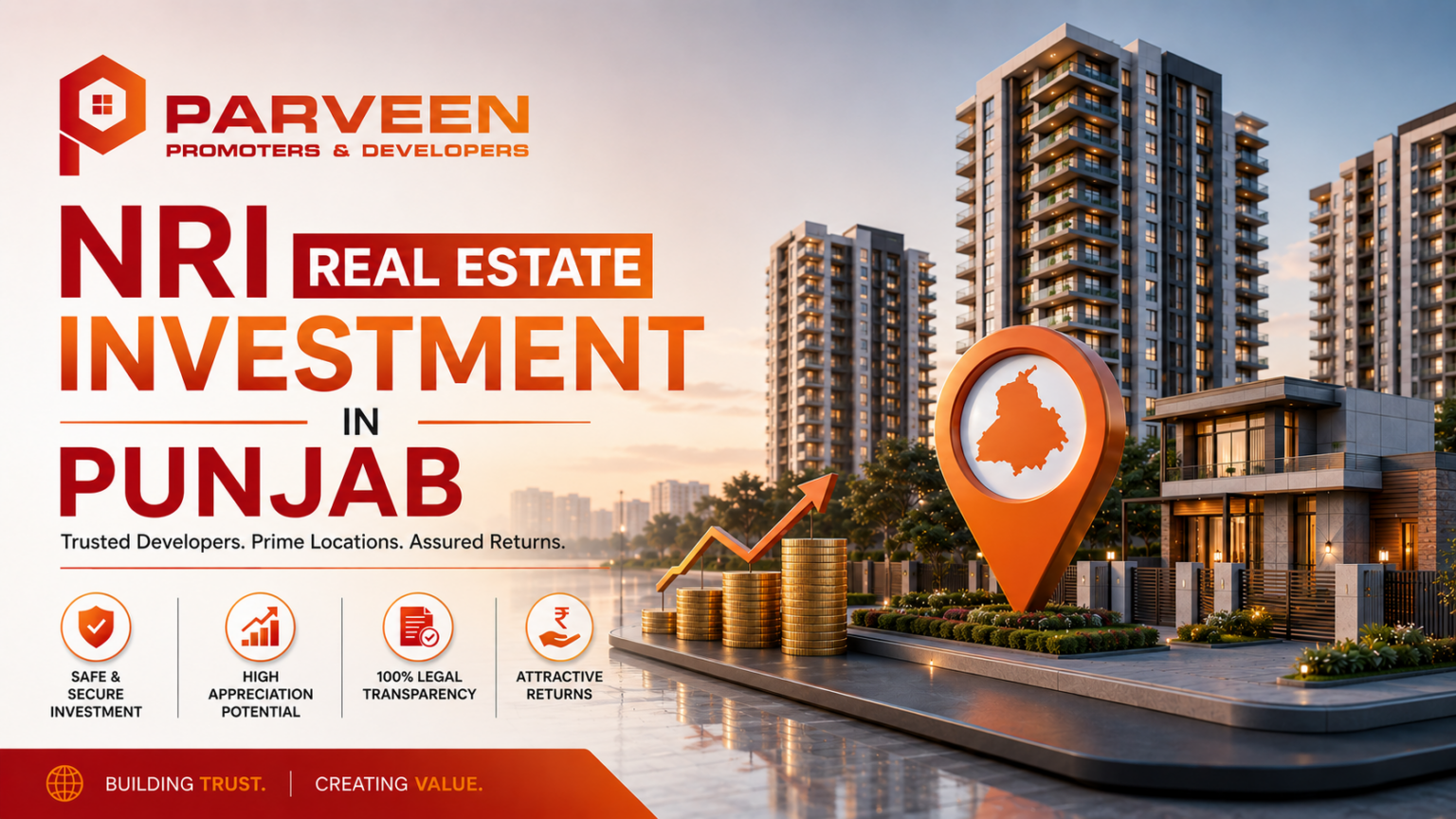
Investing in real estate has always been one of the most reliable ways to build long-term wealth, and for Non-Resident Indians (NRIs), Punjab continues to emerge as a preferred destination for property investment. The state's expanding infrastructure, improving connectivity, strong cultural ties, and growing residential and commercial markets make it an attractive choice for overseas investors looking to secure their financial future. Whether you are planning to purchase a home for your family, diversify your investment portfolio, or generate rental income, NRI real estate investment Punjab offers numerous opportunities when approached with the right strategy.
Punjab's real estate market has evolved significantly over the past decade. Modern townships, premium residential developments, commercial spaces, integrated communities, and improved urban planning have created an environment that appeals to both domestic and international investors. Cities such as Mohali, Chandigarh Tricity, Ludhiana, Jalandhar, Amritsar, and emerging locations across Punjab continue to witness increased demand for quality developments backed by better infrastructure and economic growth.
For many NRIs, investing in Punjab is more than a financial decision. It is an opportunity to maintain a strong connection with their homeland while building an asset that can appreciate over time. However, successful property investment requires careful planning, legal awareness, market research, and collaboration with experienced real estate professionals.
Why Punjab is Becoming a Preferred Investment Destination
Punjab offers a unique combination of emotional value and financial potential. Many NRIs have family roots in the state, making property ownership a natural long-term goal. Beyond sentimental reasons, the region presents attractive investment prospects because of its developing infrastructure, expanding urban centers, educational institutions, healthcare facilities, industrial growth, and improving transportation networks.
Government-backed infrastructure projects, better highways, expanding airports, and planned urban development continue contributing to the appreciation of strategically located properties. As cities expand, well-planned residential communities and commercial hubs are becoming increasingly desirable for both homeowners and investors.
The steady demand for quality housing, office spaces, retail developments, and mixed-use projects creates opportunities for investors seeking capital appreciation as well as recurring rental income.
Understanding NRI Real Estate Investment Punjab
Before investing, it is essential to understand the legal framework governing property ownership in India. Indian laws allow NRIs to purchase residential and commercial properties, making real estate one of the most accessible investment options available.
Most NRIs can purchase apartments, villas, independent houses, office spaces, shops, and commercial properties without requiring special approval in many situations. However, understanding applicable regulations, documentation requirements, taxation, and banking procedures is essential before proceeding with any transaction.
Professional legal guidance can simplify the buying process while ensuring complete compliance with applicable laws.
Benefits of Investing in Punjab Real Estate
Long-Term Capital Appreciation
Properties located in developing areas often experience gradual appreciation as infrastructure improves and demand increases. Investors who identify high-growth corridors early may benefit from significant value appreciation over time.
Stable Asset Class
Real estate continues to remain one of the most stable investment options compared to many volatile financial instruments. Physical property provides tangible ownership while serving as a long-term wealth-building asset.
Rental Income Opportunities
Residential apartments, commercial offices, retail shops, and premium housing projects can generate consistent rental income. Investors looking for passive income often consider rental properties an effective long-term strategy.
Portfolio Diversification
Real estate adds diversification to an investment portfolio by reducing dependence on a single asset class. Combining property investments with other financial assets can strengthen overall financial stability.
Future Family Security
Many NRIs invest today with the intention of returning to India later in life or providing homes for future generations. Property ownership offers both financial and emotional security.
Choosing the Right Property
Every investment objective is different. Some investors prioritize rental income, while others focus on long-term appreciation or future residential use. Understanding personal goals helps determine the most suitable property type.
Residential apartments remain popular because of their relatively lower maintenance requirements and growing demand in urban areas. Independent villas appeal to buyers seeking premium living spaces with long-term appreciation potential.
Commercial properties may generate higher rental yields but often require greater investment and detailed market evaluation.
Land investments can offer attractive returns in developing regions, although buyers should conduct extensive legal verification before purchasing.
Selecting the right property requires evaluating location, surrounding infrastructure, connectivity, educational institutions, healthcare facilities, future development plans, and market demand.
Importance of Location
Location remains one of the most important factors influencing property value. Areas experiencing infrastructure expansion generally demonstrate stronger appreciation over time.
Investors should evaluate:
Connectivity to major highways
Distance from airports and railway stations
Educational institutions
Healthcare facilities
Shopping centers
Business districts
Employment hubs
Future infrastructure projects
Public transportation availability
Well-connected locations generally experience stronger buyer demand and better resale opportunities.
Legal Due Diligence
Proper legal verification protects investors from unnecessary risks. Before purchasing any property, buyers should verify ownership records, title documents, approvals, land use permissions, construction licenses, and registration details.
Essential checks include reviewing:
Property title
Previous ownership history
Encumbrance status
Government approvals
Completion certificates
Occupancy certificates
Sale agreements
Registration records
Working with qualified legal professionals helps ensure every document is thoroughly verified before completing the transaction.
Selecting a Trusted Developer
Developer credibility plays a significant role in determining investment success. Experienced developers generally offer greater transparency, quality construction, timely delivery, and professional customer support.
Before investing, buyers should evaluate:
Company reputation
Previous completed projects
Construction quality
Financial stability
Customer reviews
Legal compliance
Delivery timelines
Project approvals
Choosing an established developer reduces uncertainty while improving long-term investment confidence.
Financing Options for NRIs
Many financial institutions offer home loans specifically designed for NRIs purchasing residential or commercial properties in India.
Loan eligibility typically depends on employment status, country of residence, income, credit profile, repayment capacity, and banking documentation.
Comparing interest rates, repayment terms, processing fees, and loan flexibility helps investors select suitable financing options.
Maintaining proper financial documentation throughout the loan process ensures faster approvals and smoother transactions.
Tax Considerations
Taxation forms an important aspect of property investment. NRIs should understand applicable taxes related to property purchase, rental income, capital gains, and resale transactions.
Professional tax consultation can help investors optimize financial planning while remaining fully compliant with applicable regulations.
Understanding available tax provisions before investing enables better long-term financial decision-making.
Property Management for Overseas Investors
Managing property remotely presents unique challenges. Professional property management services can assist NRIs by handling tenant coordination, maintenance, inspections, documentation, rent collection, and regular property monitoring.
Reliable property management improves convenience while preserving the property's long-term value.
Common Mistakes to Avoid
Many investors make decisions based solely on attractive pricing without evaluating long-term fundamentals.
Avoid these common mistakes:
Skipping legal verification
Ignoring developer reputation
Purchasing without market research
Overlooking future infrastructure plans
Relying on verbal commitments
Failing to review documentation carefully
Investing without professional advice
Underestimating maintenance costs
A disciplined investment approach minimizes risk while improving overall returns.
Emerging Investment Opportunities
Punjab continues witnessing growth across residential townships, integrated communities, commercial developments, retail spaces, and mixed-use projects.
Demand for premium housing is increasing as infrastructure improvements attract professionals, entrepreneurs, business owners, and returning NRIs. Smart urban planning, sustainable construction practices, and modern amenities further strengthen the state's investment potential.
Commercial developments also present attractive opportunities as businesses expand into growing urban centers.
Investors who identify emerging locations before rapid development often benefit from stronger appreciation over the long term.
Building a Long-Term Investment Strategy
Successful real estate investment extends beyond purchasing a property. Investors should establish clear financial objectives, determine expected holding periods, evaluate projected returns, and regularly review market conditions.
Diversifying investments across different property types or locations can reduce overall portfolio risk while increasing long-term growth potential.
Regular property maintenance, periodic valuation reviews, and continuous market monitoring help maximise investment performance over time.
Conclusion
NRI real estate investment Punjab continues to present excellent opportunities for investors seeking financial growth, asset security, and long-term wealth creation. With expanding infrastructure, modern developments, increasing buyer demand, and improving urban planning, Punjab offers an attractive environment for both residential and commercial investments.
Success in real estate depends on informed decision-making, comprehensive legal verification, careful market research, and collaboration with trusted professionals. By selecting the right location, partnering with experienced developers, understanding regulatory requirements, and maintaining a long-term investment perspective, NRIs can confidently build valuable real estate portfolios that deliver lasting returns.
As Punjab continues its journey of economic and infrastructure development, well-planned property investments have the potential to provide both financial prosperity and enduring value for future generations.
Comments
Log in or sign up to join the conversation.