

The higher forecast still leaves room for a decline
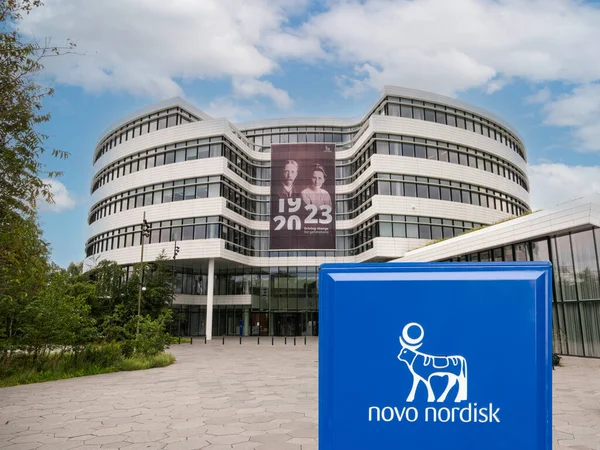
Novo Nordisk raised its 2026 outlook yesterday as demand for its obesity medicines strengthened. Third quarter sales grew, but reported operating profit fell while adjusted operating profit rose sharply. The results show operating progress, although unusual expenses in both years complicate the profit comparison. |
The updated outlook puts both full year adjusted sales growth and adjusted operating profit growth between a 2% decline and a 2% increase. Previously, each range ran from a 6% decline to flat. Management expects a better year than it did before, although that could still mean finishing below 2025 on these adjusted measures. |
Why the two profit figures are so far apart
In the third quarter of 2026, Novo reported operating profit of DKK 23,011 million, down 9% from a year earlier. Adjusted operating profit was DKK 31,720 million, up 27%. |
The difference reflects approximately DKK 8.7 billion of noncash impairment charges. An impairment reduces an asset's recorded value when the company determines that it cannot recover that carrying value through use or sale. Novo attributed approximately DKK 4.6 billion of the charges to ziltivekimab and DKK 4.1 billion to resizing its manufacturing network. |
These charges recognize a reduction in the recorded value of investments. Leaving the charges out of adjusted profit helps investors examine performance without those expenses. The economic question remains whether the money invested in those assets will earn an adequate return. |
Currency also changes the apparent pace of growth. The 27% adjusted profit increase at CER was a 34% increase when measured in Danish kroner. Those are different currency comparisons of the same business results, not returns earned by an NVO shareholder. |
Last year's costs make the rebound look stronger
That 27% adjusted profit increase needs another qualification. Novo says the comparison benefited from approximately DKK 9 billion of companywide transformation costs recognized in the third quarter of 2025. |
Think of a shop comparing its profit with a year when it paid for a major reorganization. Profit can rebound partly because that large bill is behind it. The growth rate alone tells you little about how much the shop's everyday business improved. |
Novo's current impairments and prior transformation costs affect the comparison in different ways. Excluding this year's impairments raises the current adjusted profit figure. Last year's transformation costs leave a lower starting point to grow from. Adjusted does not necessarily mean both periods are free of unusual expenses. |
Sales growth provides evidence of operating progress. The easier profit comparison makes it harder to judge how much of the earnings rebound can repeat. |
Strong obesity sales are only part of the business
In its quarterly investor presentation, Novo reported 22% growth in third quarter adjusted obesity sales. Adjusted sales of its GLP 1 diabetes medicines, a class of treatments used to manage diabetes, fell 7%. |
That helps explain why strong obesity sales translated into just 4% growth in total sales. Gains in one part of the business had to offset weakness elsewhere. |
There is also a difference between selling more medicine and earning more from it. Revenue depends on the amount sold and the net price Novo receives, as well as the mix of products and countries. A patient's copay, a medicine's list price and the manufacturer's net revenue are not interchangeable measures. |
Making treatment more affordable can bring in additional patients. If Novo receives less per treatment, it needs enough additional volume to compensate. Manufacturing, distribution, research and commercial costs then help determine how much of that revenue becomes profit. |
Greater use of Novo's medicines could support a larger business. The question is how much profit that larger business can earn after pricing concessions and the costs of serving more patients. |
What would make the recovery more convincing?
Continued obesity growth alongside stabilization in GLP 1 diabetes would show that the improvement is spreading. Profit growth against less distorted comparison periods would provide a clearer test of the underlying business. |
Patient persistence matters too. Patients who stay on treatment can support repeat demand. Prescription growth alone does not tell us how long new patients will remain on therapy or the durable net revenue Novo can earn from each treatment. |
The higher outlook is encouraging. A more convincing recovery would show additional treatment volume generating enough revenue to cover costs and grow profit, even when last year's expenses no longer make the comparison easier. |


Comments
Log in or sign up to join the conversation.