
Nephrology is one of the most complex specialties from a reimbursement standpoint. Between chronic disease management, high-cost dialysis care, and strict payer rules, even small billing gaps can lead to significant revenue leakage. This is why nephrology revenue cycle management has become a critical operational priority for practices aiming to stay financially sustainable while delivering high-quality kidney care.
From a clinical lens, nephrology deals heavily with conditions like Chronic Kidney Disease and End-Stage Renal Disease both of which require long-term, resource-intensive treatment models. From a financial lens, these same conditions demand highly precise coding, documentation, and payer compliance.
Why Nephrology Revenue Cycle Management Matters More Than Ever
Kidney disease is a growing global burden:
Over 850 million people worldwide are affected by kidney diseases
In the U.S., nearly 1 in 7 adults (~37 million people) have CKD
Medicare spends over $130 billion annually on kidney disease care, including ESRD
These figures highlight the scale but also the financial pressure. Nephrology practices operate within tight reimbursement margins, where:
Dialysis-related billing errors can reduce revenue by 15–25%
Claim denial rates in specialty billing can range between 10–20%
Delays in documentation or coding can extend A/R cycles by 30–60 days
Effective nephrology revenue cycle management is not optional, it is essential for survival and growth.
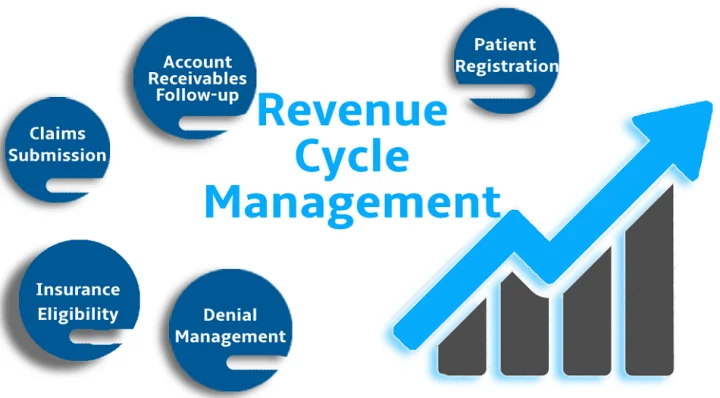
Core Components of Nephrology Revenue Cycle Management
A high-performing nephrology RCM system integrates clinical understanding with financial precision.
1. Accurate Coding for CKD & ESRD
Correct staging of CKD (Stages 1–5) directly impacts reimbursement
ESRD-related services require strict documentation for dialysis frequency
Missed or incorrect codes can reduce payments by 20% or more
2. Dialysis Billing Optimization
Hemodialysis and peritoneal dialysis have different billing structures
Monthly capitation payment (MCP) models require precise visit tracking
Incomplete documentation leads to underbilling or denials
3. Denial Management & Appeals
Nephrology claims often face denials due to:
Medical necessity issues
Missing modifiers
Incomplete clinical documentation
Structured denial management can recover 60–80% of denied claims
4. Insurance Verification & Authorization
Dialysis and transplant-related services require prior authorization
Errors in eligibility checks can delay payments by weeks to months
Challenges in Nephrology Billing Services
Even experienced practices struggle with the complexity of nephrology billing services due to:
Frequent updates in payer policies
Complex CPT and ICD coding combinations
High dependency on documentation accuracy
Coordination between clinics, dialysis centers, and hospitals
Common pitfalls include:
Incorrect CKD staging documentation
Missed dialysis treatment logs
Underreporting comorbidities (e.g., diabetes, hypertension)
Failure to meet payer-specific requirements
These issues can silently drain revenue over time.
How Nephrology Medical Billing Services Improve Performance
Professional nephrology medical billing services are designed to close these gaps using data-driven workflows.
Key measurable improvements:
20–30% reduction in claim denials
15–25% increase in clean claim rates
30–40% faster reimbursement cycles
Improved compliance with Medicare and commercial payer rules
Strategic advantages:
Specialty-focused coding expertise
Real-time claim tracking and analytics
Integration with EHR and dialysis systems
Continuous monitoring of payer updates
Clinical Documentation: The Foundation of Financial Success
From a nephrologist’s perspective, documentation is not just clinical—it’s financial.
High-quality documentation should include:
CKD stage and progression
Dialysis modality and frequency
Comorbid conditions (e.g., hypertension, diabetes)
Lab values (eGFR, creatinine trends)
Treatment plans and follow-ups
Even minor documentation gaps can lead to downcoding or claim rejection, directly impacting revenue.
The Role of Technology in Modern Nephrology RCM
Digital transformation is reshaping nephrology revenue cycle management:
AI-driven coding tools improve accuracy by up to 35%
Automated eligibility checks reduce front-end errors significantly
Predictive analytics identify denial risks before submission
Dashboards provide real-time financial performance insights
Some organizations, including providers like Neomd, are integrating these technologies into broader revenue cycle workflows—not as a sales pitch, but as part of the industry shift toward smarter, data-backed billing systems.
Future Trends in Nephrology Revenue Cycle Management
The future of nephrology RCM will be driven by:
Value-based care models tied to patient outcomes
Increased Medicare oversight for ESRD billing
Greater reliance on automation and analytics
Integration of clinical and financial decision-making
Practices that align early with these trends will be better positioned to maintain stable revenue streams.
FAQs
1. What is nephrology revenue cycle management?
It refers to the complete process of managing billing, coding, claims, and reimbursement for kidney-related healthcare services, including CKD and dialysis care.
2. Why is nephrology billing more complex than other specialties?
Because it involves chronic disease management, dialysis billing models, strict payer rules, and highly specific documentation requirements.
3. How can nephrology medical billing services reduce claim denials?
By improving coding accuracy, ensuring complete documentation, and proactively addressing payer-specific requirements.
4. What is the impact of poor RCM in nephrology?
It can lead to 10–25% revenue loss, delayed payments, increased denials, and compliance risks.
5. Are nephrology medical billing services worth it?
Yes practices using specialized services often see 20–30% improvement in revenue efficiency and faster reimbursement cycles.
Comments
Log in or sign up to join the conversation.