

Global Neoprene Rubber Market: The Durable Elastomer Powering Mobility and Modern Materials
The Global Neoprene Rubber Market is shifting from a traditional synthetic elastomer segment into a versatile performance platform spanning automotive, construction, adhesives, and high‑value consumer and medical goods. Chloroprene rubber, commonly known as Neoprene, is produced via the polymerization of chloroprene and is prized for its chemical stability, resistance to oils and weathering, and reliable performance under temperature extremes.
These properties make it a critical material wherever components must endure harsh operating conditions over long service lives, from engine‑bay hoses and belts to structural sealants and high‑strength contact adhesives.
The Global Neoprene Rubber Market size stood at USD 2.79 Billion in 2025 and is projected to reach USD 3.52 Billion by 2031 at a CAGR of 3.95%. Growth is driven by robust automotive and EV demand, expanding use in industrial adhesives and latex‑based goods, and emerging bio‑based and circular solutions, even as tightening emissions regulations raise compliance costs and constrain how quickly producers can expand capacity.
➝ 𝐑𝐞𝐩𝐨𝐫𝐭 𝐃𝐞𝐬𝐜𝐫𝐢𝐩𝐭𝐢𝐨𝐧 Forecast Period: 2027–2031 Market Size (2025): USD 2.79 Billion CAGR (2026–2031): 3.95% Fastest Growing Segment: Latex Largest Market: Asia Pacific Market Size (2031): USD 3.52 Billion.
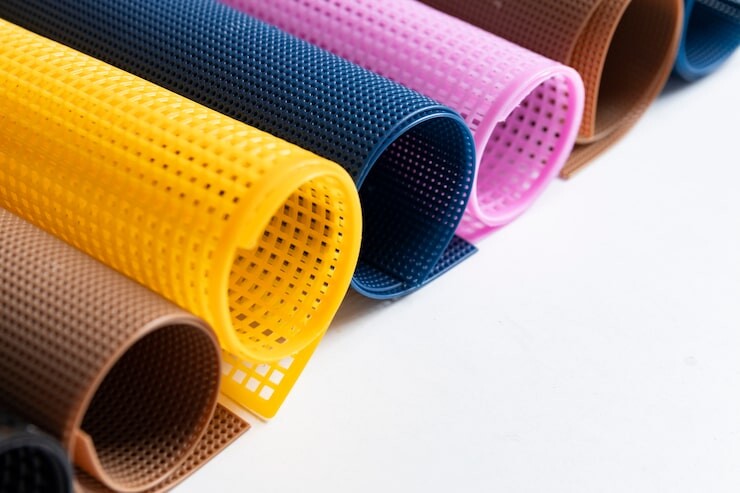
𝐆𝐋𝐎𝐁𝐀𝐋 𝐍𝐄𝐎𝐏𝐑𝐄𝐍𝐄 𝐑𝐔𝐁𝐁𝐄𝐑 𝐌𝐀𝐑𝐊𝐄𝐓 𝐁𝐘 𝐒𝐈𝐙𝐄, 𝐒𝐇𝐀𝐑𝐄 & 𝐅𝐎𝐑𝐄𝐂𝐀𝐒𝐓 2031 | 𝐓𝐄𝐂𝐇𝐒𝐂𝐈 𝐑𝐄𝐒𝐄𝐀𝐑𝐂𝐇
➝ 𝐈𝐧𝐝𝐮𝐬𝐭𝐫𝐲 𝐇𝐢𝐠𝐡𝐥𝐢𝐠𝐡𝐭𝐬: 𝐖𝐡𝐲 𝐍𝐞𝐨𝐩𝐫𝐞𝐧𝐞 𝐑𝐮𝐛𝐛𝐞𝐫 𝐌𝐚𝐭𝐭𝐞𝐫𝐬
Neoprene’s Core Properties and Uses
Neoprene is a synthetic elastomer known for resistance to oils, chemicals, ozone, and weathering, while retaining flexibility across wide temperature ranges.
It is widely used in automotive hoses, belts, vibration mounts, seals, and gaskets where durability under mechanical stress and fluid exposure is essential.
Construction and industrial sectors rely on Neoprene in high‑performance sealants, expansion joints, and contact adhesives that must bond diverse substrates and withstand long‑term environmental exposure.
Industrial Backbone Across Key Sectors
Automotive remains a foundational market, with Neoprene embedded in both traditional combustion platforms and emerging EV architectures.
Construction and furniture manufacturing depend on chloroprene‑based adhesives for fast, high‑strength bonding of laminates, foams, and multi‑material assemblies.
Consumer and medical goods use Neoprene foams and latex in wetsuits, sportswear, gloves, orthopedic supports, and protective equipment that demand comfort, flexibility and chemical resistance.
➝ 𝐊𝐞𝐲 𝐌𝐚𝐫𝐤𝐞𝐭 𝐃𝐫𝐢𝐯𝐞𝐫𝐬 & 𝐄𝐦𝐞𝐫𝐠𝐢𝐧𝐠 𝐓𝐫𝐞𝐧𝐝𝐬
Driver 1: Automotive and Electric Vehicle Expansion
Global growth in automotive and accelerating EV adoption are primary demand drivers for Neoprene.
In conventional vehicles, Neoprene is indispensable for oil‑ and heat‑resistant belts, hoses, and vibration control mounts.
As powertrains electrify, the material is increasingly used to seal battery compartments, protect high‑voltage cabling, and insulate electrical subsystems, shifting its role from engine‑centric parts to EV‑specific applications.
Driver 2: Increasing Use in Adhesives and Sealants
Chloroprene‑based contact adhesives are favoured in construction and furniture for quick tack and high bond strength between laminates, foams, and mixed materials.
Growing demand for advanced adhesive technologies has prompted capacity expansions, with major chemical producers investing in new chloroprene facilities to avoid supply bottlenecks.
As water‑borne adhesive systems gain share to meet VOC regulations, neoprene latex plays a rising role in environmentally compliant bonding formulations.
Trend 1: Bio‑Based and Limestone‑Derived Alternatives
A key trend is the transition toward bio‑based and limestone‑derived Neoprene alternatives, partially substituting petroleum‑derived chloroprene with renewable and mineral feedstocks.
Leading water‑sports brands are increasing natural‑rubber content and integrating materials such as oyster shell powder into foams to reduce petrochemical dependence and lower product carbon footprints.
These eco‑oriented formulations aim to deliver performance comparable to conventional Neoprene in wetsuits and marine gear while meeting consumer expectations for sustainable products.
Trend 2: Closed‑Loop Recycling and Circular Carbon Black
The industry is moving toward circular economy models that address the historic challenge of recycling cross‑linked neoprene foams.
Advanced pyrolysis processes recover high‑value raw materials, notably carbon black, from end‑of‑life wetsuits and other neoprene items for reuse in high‑performance sheets and compounds.
Reclaimed filler materials enable brands to cut virgin petrochemical use and significantly reduce water consumption and greenhouse‑gas emissions associated with producing carbon black and related components.
➝ 𝐊𝐞𝐲 𝐌𝐚𝐫𝐤𝐞𝐭 𝐂𝐡𝐚𝐥𝐥𝐞𝐧𝐠𝐞𝐬
Challenge 1: Tightening Emissions Regulations
Stricter environmental rules, including mandates for large reductions in chloroprene emissions, impose substantial compliance burdens on manufacturers.
Producers must retrofit older facilities with advanced emission‑control and filtration systems, and adjust polymerization processes, raising capital and operating costs.
Investments in non‑revenue‑generating compliance infrastructure limit funds available for capacity expansions and R&D, slowing the sector’s ability to scale and innovate.
Challenge 2: Supply‑Side Constraints and Trade Contraction
Implementation of new standards can temporarily reduce plant utilisation and output as upgrades are installed and processes are re‑optimized.
Lower utilisation contributes to declines in synthetic rubber export volumes, indicating tangible bottlenecks in international supply chains.
These constraints can tighten availability and put upward pressure on prices, complicating procurement for downstream users in automotive, construction, and consumer goods.
➝ 𝐒𝐞𝐠𝐦𝐞𝐧𝐭𝐚𝐥 𝐈𝐧𝐬𝐢𝐠𝐡𝐭𝐬
Fastest‑Growing Segment: Latex
The Latex segment is the fastest‑growing category in the Global Neoprene Rubber Market.
Neoprene latex is crucial for high‑performance consumer goods such as wetsuits, sportswear, gloves, and orthopedic supports, where flexibility, comfort, and chemical resistance are essential.
Environmental regulations on VOCs are accelerating the shift to water‑based neoprene latex adhesives, boosting demand as industries replace solvent‑borne systems with cleaner alternatives.
Other Key Forms: Solid Rubber and Foam
Solid Neoprene rubber remains dominant in automotive and industrial components—hoses, belts, seals, gaskets, and vibration mounts.
Neoprene foam is widely used in insulation, cushioning, and protective apparel for marine sports, outdoor gear, and industrial applications.
Composite grades, including CNF‑reinforced formulations, offer enhanced sustainability and performance for specialised industrial uses.
➝ 𝐑𝐞𝐠𝐢𝐨𝐧𝐚𝐥 𝐈𝐧𝐬𝐢𝐠𝐡𝐭𝐬
Asia Pacific: Largest Market and Manufacturing Hub
Asia Pacific holds the largest share of the Global Neoprene Rubber Market, supported by extensive industrialisation in China, India, and other regional economies.
Strong automotive and construction sectors drive ongoing demand for Neoprene in seals, gaskets, hoses, and adhesives.
Established synthetic rubber manufacturing infrastructure and continuous investment in industrial and infrastructure projects anchor Asia Pacific’s leading role.
Other Regions: Europe and North America
Europe and North America contribute significant demand, especially in automotive, construction, adhesives, and specialised consumer goods.
These regions are at the forefront of sustainable Neoprene innovation, including certified bio‑based, mass‑balance and CNF‑reinforced elastomer portfolios that align with corporate carbon‑reduction goals.
➝ 𝐑𝐞𝐜𝐞𝐧𝐭 𝐃𝐞𝐯𝐞𝐥𝐨𝐩𝐦𝐞𝐧𝐭𝐬
Tosoh Corporation has strengthened production of Skyprene SG composite chloroprene grades incorporating cellulose nanofiber (CNF), enabling standard commercial lot sizes and reducing reliance on fossil‑fuel‑based reinforcing agents.
Arlanxeo’s chloroprene plant in Germany has obtained sustainability and carbon certification, supporting Eco‑labelled synthetic rubber variants produced via mass‑balance tracking of renewable and circular feedstocks.
Resonac has partnered with renewable chemical suppliers to integrate bio‑based feedstocks into olefin derivatives used for chloroprene rubber production, supporting petrochemical carbon‑neutrality goals.
Sheico Group has launched OCENA, a bio‑based foam using FSC‑certified natural rubber, oyster shell powder, soybean oil, and recycled carbon black, offering elasticity and durability comparable to traditional Neoprene while reducing petrochemical dependence.
➝ 𝐂𝐨𝐦𝐩𝐞𝐭𝐢𝐭𝐢𝐯𝐞 𝐀𝐧𝐚𝐥𝐲𝐬𝐢𝐬
Key Market Players Tosoh Corporation Limited | Denka Company Limited | Arlanxeo Performance Elastomers | Shanna Synthetic Rubber Group Co., Ltd. | Shanxi Synthetic Rubber Group Co., Ltd. | Shanxi Huojia Changhua Synthetic Rubber Co. Ltd. | Lanxess AG | BGK GmbH | Resonac Holdings Corporation
Leading companies focus on emissions‑compliance investments, expansion into sustainable and bio‑based elastomers, and development of advanced composite grades such as CNF‑reinforced Neoprene.
Strategic initiatives include capacity additions for chloroprene and latex products, certification and branding of low‑carbon elastomer lines, and partnerships across automotive, construction, adhesives, and sportswear value chains to embed more sustainable materials in mainstream applications.
➝ 𝐑𝐞𝐩𝐨𝐫𝐭 𝐒𝐜𝐨𝐩𝐞
Neoprene Rubber Market, By Type:
Solid Neoprene Rubber
Neoprene Foam
Neoprene Latex
Neoprene Rubber Market, By Material / Grade:
Conventional Petroleum‑Derived Neoprene
Bio‑Based and Limestone‑Derived Neoprene
Composite and CNF‑Reinforced Neoprene
Neoprene Rubber Market, By Application:
Automotive Components (hoses, belts, mounts, seals, gaskets)
Construction (sealants, expansion joints, adhesives)
Industrial Adhesives and Sealants
Consumer Goods (wetsuits, sportswear, gloves)
Medical and Orthopedic Supports
Others
➝ 𝐅𝐮𝐭𝐮𝐫𝐞 𝐎𝐮𝐭𝐥𝐨𝐨𝐤
The Global Neoprene Rubber Market is expected to grow steadily through 2031, supported by automotive and EV expansion, ongoing use in industrial adhesives and sealants, and rising demand for flexible consumer and medical products. Environmental regulation will remain a central influence, pushing producers to adopt lower‑emission processes, bio‑based feedstocks and circular recycling technologies.
Companies that successfully blend regulatory compliance with cost control and material innovation—through CNF composites, bio‑based foams, and reclaimed carbon black—will be best positioned to capture value as customers seek elastomeric materials that deliver both high performance and credible sustainability credentials.
➝ 𝐅𝐀𝐐𝐬: 𝐆𝐥𝐨𝐛𝐚𝐥 𝐍𝐞𝐨𝐩𝐫𝐞𝐧𝐞 𝐑𝐮𝐛𝐛𝐞𝐫 𝐌𝐚𝐫𝐤𝐞𝐭
What is Neoprene rubber and why is it widely used? Neoprene is a synthetic chloroprene‑based elastomer with strong resistance to oils, chemicals, ozone and temperature extremes, making it ideal for automotive parts, seals, hoses, adhesives, foams and protective gear that operate in harsh conditions.
Which applications drive most global Neoprene demand today? Automotive components, construction sealants and adhesives, industrial bonding agents, and consumer goods such as wetsuits, sportswear and protective apparel are the primary demand drivers, with EV and medical uses adding new growth.
Why is the Latex segment the fastest‑growing in the Neoprene Market? Neoprene latex underpins high‑performance dipped goods and flexible apparel and is central to water‑borne adhesive formulations that meet tightening VOC regulations, leading to rapid growth in both consumer and industrial applications.
What is the biggest challenge facing Neoprene manufacturers? Tightened emissions regulations require large investments in control technologies and process changes, increasing costs, limiting funds for expansion and innovation, and sometimes reducing output during retrofits, which constrains global supply.
Which region leads the Global Neoprene Rubber Market and why? Asia Pacific leads due to strong automotive and construction sectors, extensive industrialisation, and established synthetic rubber manufacturing infrastructure, ensuring sustained demand for Neoprene in seals, hoses, adhesives and engineered elastomeric products.
Comments
Log in or sign up to join the conversation.