
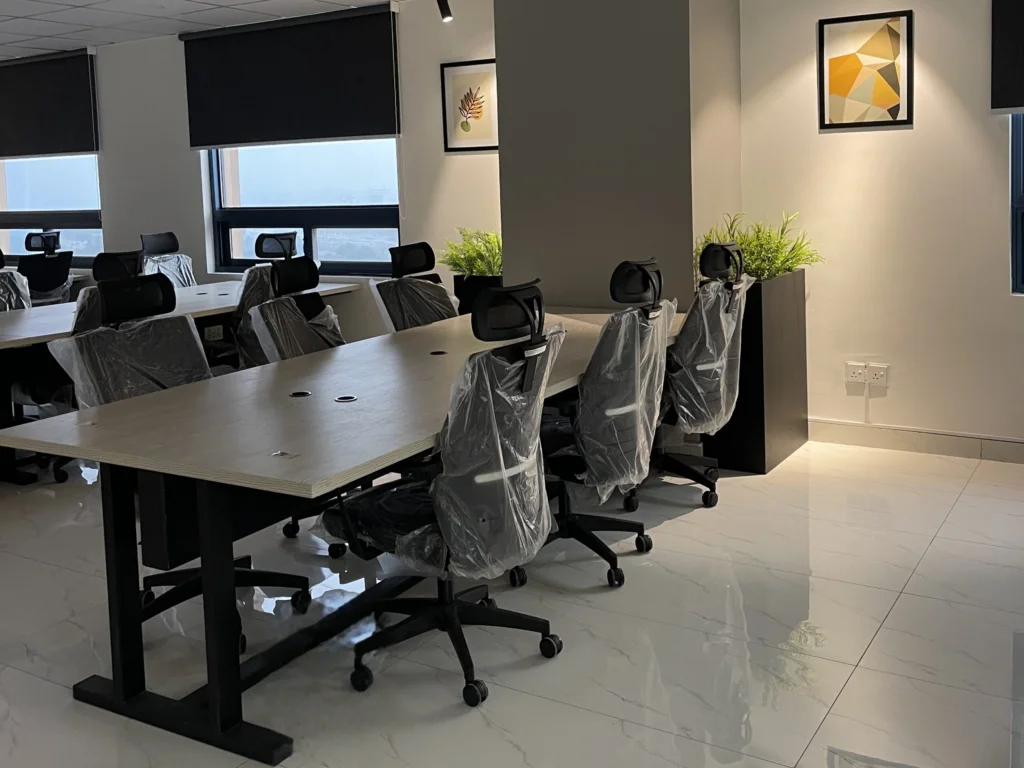
A business opportunity can arrive quickly. A company may secure a new client, expand into a new market, or start a project that requires additional employees. The excitement of growth is often followed by a practical question: where will the team work?
For many businesses in Lahore, this question is becoming more important because projects are changing faster than traditional office arrangements.
A company working on a three-month, six-month, or one-year assignment does not always need a permanent office. It needs a professional environment where employees can collaborate, clients can be welcomed, and work can continue without unnecessary interruptions.
This challenge was one of the reasons Pakistan’s flexible workspace industry started developing. In 2016, Kickstart began in Lahore after its founders identified a common problem among entrepreneurs: finding professional office space without the heavy commitment of traditional leases. The company started with a 40-desk, 1,500-square-foot location and later expanded as demand for flexible workplace solutions increased.
The lesson from this shift is simple. Businesses do not always need more permanent space. They need better control over how they use workplace resources.
For a short-term project, renting a traditional office can create responsibilities that continue even when the project changes. Companies may have to manage furniture, internet installation, office maintenance, utilities, and long rental agreements.
A flexible workplace offers another approach. It allows businesses to access a professional environment without making commitments that may not match their future requirements.
This does not mean traditional offices are outdated. Many companies still benefit from having their own dedicated locations. The important factor is choosing a workplace according to the business situation.
For companies in Lahore handling temporary projects, changing teams, or uncertain growth periods, a flexible workspace can often be a more practical decision.
Why Traditional Office Rentals Can Become Difficult for Short-Term Projects
A traditional office is usually designed around stability. A company signs a lease because it expects the same location, similar team size, and consistent operations for years.
Short-term projects work differently.
A business may hire additional employees for a specific contract and reduce the team after completion. A software company may require more developers during a product launch but not need the same number of seats afterward. A consulting firm may need meeting facilities only while working with a particular client.
The challenge is that traditional office agreements do not always adjust easily to these changes.
Before a team can begin working, businesses often need to handle several setup responsibilities. They may need to arrange furniture, install technology systems, prepare meeting areas, and manage daily office operations.
These tasks require both time and money.
For a company planning long-term operations, this investment may make sense. However, for a project with a fixed deadline, the same investment can become an unnecessary burden.
A project manager’s main responsibility is delivering results. Spending weeks solving office setup problems takes attention away from the actual work.
This is why many businesses are changing how they think about office decisions.
Instead of asking, “How can we create a permanent office?”
They are asking:
“How can we create the right working environment for this specific requirement?”
That change in thinking is one of the biggest reasons flexible workplace models have gained attention.
Why Lahore Businesses Are Looking for More Adaptable Workplaces
Lahore has become one of Pakistan’s most important business and technology centres. The city has a strong ecosystem of software companies, startups, digital agencies, consulting firms, freelancers, and service businesses.
From technology companies working with international clients to growing startups building new products, many businesses in Lahore operate around projects rather than fixed structures.
This has changed workplace expectations.
In areas such as Gulberg, DHA, and other commercial districts, businesses increasingly look for offices that provide professional surroundings, easy accessibility, and suitable facilities for employees and clients.
The reason is practical.
A growing company may not know exactly how large its team will become after six months. A foreign business exploring Lahore may want a professional presence before making a permanent investment. A startup may need a workplace that supports growth without creating unnecessary financial pressure.
According to Rentech Digital research shared by Kickstart, Lahore had 177 coworking spaces in January 2025, showing significant growth in flexible workplace availability across the city.
This growth reflects a broader business shift. Companies are becoming more careful about fixed expenses and more focused on solutions that allow them to respond quickly.
For businesses, flexibility is not only about convenience. It is about reducing risk.
A workplace should help the company move forward instead of limiting future decisions.
The Hidden Costs Businesses Often Ignore When Renting an Office
Many companies compare offices by looking only at monthly rent. This can lead to an incomplete understanding of the real cost.
A traditional office requires more than paying for space.
There are expenses related to:
Furniture
Internet and technology setup
Office equipment
Maintenance
Administrative management
Workplace improvements
These costs can become significant, especially for smaller businesses.
For example, a startup that receives a six-month project may spend a large amount preparing an office that becomes unnecessary once the assignment ends.
The problem is not spending money on a workplace. The problem is spending money on a workplace that does not match the business timeline.
Flexible office models reduce this issue by allowing companies to use existing professional infrastructure.
Instead of investing heavily before the project begins, businesses can direct their resources toward areas that directly influence success.
This could include hiring skilled employees, improving products, investing in marketing, or strengthening customer relationships.
For growing businesses, protecting cash flow is often more important than creating a permanent office image.
A smart workplace decision is not about choosing the cheapest option. It is about choosing the option that creates the most value.
How Flexible Workspaces Help Teams Start Faster
Time is one of the most valuable resources during a business project.
When a company receives a new opportunity, delays can affect deadlines, client confidence, and employee productivity.
A ready workplace removes many early challenges.
Instead of spending weeks preparing an office, teams can begin working in a professional environment with essential facilities already available.
This is particularly useful for industries where project timelines are strict.
Consider a Lahore-based software company receiving a contract from an overseas client. The company needs additional developers and project managers within a short period. The priority is not creating an office from the beginning. The priority is completing the project successfully.
A flexible workspace allows the company to focus on recruitment, development, communication, and delivery.
This approach is becoming more relevant as businesses adopt hybrid work models and project-based operations.
Companies are realizing that workplace decisions should support business speed.
An office should remove problems, not create new ones.
Why Client Meetings Require More Than Just a Working Desk
A short-term project may have a limited timeline, but it can still involve important business relationships.
Many Lahore-based companies work with international clients, investors, and corporate partners. These relationships often require professional meetings, presentations, and discussions.
The workplace environment can influence how a business is perceived.
A professional office creates confidence because it provides a suitable setting for collaboration and communication.
This is especially valuable for startups and smaller businesses.
A young company may have strong technical skills and a talented team but may not need a large permanent headquarters. A flexible workplace allows it to maintain professionalism when dealing with clients without taking on unnecessary long-term expenses.
For businesses comparing different workplace models, exploring suitable co working spaces can help them understand which option matches their project duration, team size, and operational needs.
A professional environment does not have to mean a permanent office. It means having the right facilities when important business activities take place.
How Lahore Startups and Growing Companies Use Flexible Office Solutions
Startups often face a difficult stage during growth. They need to appear professional, attract talent, meet clients, and create a productive working environment, but they also need to control expenses carefully.
For a young company, committing to a large permanent office can create unnecessary pressure. Business conditions can change quickly. A startup may receive investment, gain new customers, expand its team, or change its business direction within a short period.
This uncertainty makes flexibility valuable.
A flexible workplace allows startups to operate professionally while keeping their options open. Instead of spending significant capital on office infrastructure, founders can focus their resources on activities that directly support growth.
This approach has become increasingly relevant in Lahore because the city has a growing startup and technology ecosystem. Companies working in software development, digital services, e-commerce, and consulting often experience changing requirements during their early stages.
A startup may begin with a small team and require additional space after securing a new client. A flexible workplace allows that growth without forcing the company into a long-term commitment before it is ready.
The benefit is not only financial. It also reduces operational stress.
Founders already manage many responsibilities, including hiring, sales, product development, and customer relationships. Managing office infrastructure should not become another major challenge.
A suitable workplace should support business growth, not slow it down.
Why Technology Companies in Lahore Need Adaptable Workplaces
Lahore has become an important centre for Pakistan’s technology industry. The city has software companies, IT service providers, freelancers, and businesses working with international clients.
Technology companies often experience changing workloads.
A company may receive a new software development contract and need additional developers within a short period. Another company may complete one project and move employees toward a different assignment.
This project-based nature creates a need for adaptable office solutions.
Technology teams require more than physical space. They need reliable internet, professional meeting environments, and a workplace where employees can collaborate effectively.
A delay caused by poor infrastructure can affect project timelines and client relationships.
This is why many technology businesses consider workplace flexibility an operational advantage.
A company does not always need a larger permanent office. It needs the ability to increase or reduce workspace according to actual business requirements.
For businesses serving international clients, this flexibility becomes even more valuable. Professional meetings, team discussions, and client presentations require an environment that reflects reliability and organization.
A suitable workplace supports not only employees but also the company’s reputation.
Why SMEs and Service Businesses Benefit From Flexible Offices
The demand for flexible workplaces is not limited to startups and technology companies.
Small and medium-sized businesses across different industries also face situations where temporary office solutions make sense.
A consulting firm may need space while completing a client assignment. A training company may require rooms for short-term programs. A marketing agency may need additional seats during a major campaign.
These businesses do not necessarily need a permanent expansion of office space. They need temporary support during specific periods.
A traditional office can make these situations difficult because companies often have to maintain the same space even when their requirements change.
Flexible solutions allow businesses to adjust without carrying unnecessary costs.
This is especially important for SMEs because they often operate with limited resources. A wrong office decision can affect their ability to invest in employees, technology, and growth.
The smarter approach is to match the workplace with the business timeline.
A company should not pay for space it does not need simply because traditional office arrangements have always worked that way.
Real Industry Growth Shows a Change in Business Thinking
The growth of flexible workplaces in Pakistan shows that businesses are changing how they view offices.
Previously, having a permanent office was often considered the only sign of a serious business. Today, companies are more focused on efficiency, productivity, and adaptability.
This change can be seen through the expansion of flexible workspace providers in Pakistan.
COLABS has expanded its workspace network and reported supporting more than 200 companies with thousands of members using its facilities. This shows that flexible offices are attracting not only freelancers but also startups, SMEs, and established businesses.
Similarly, Daftarkhwan, which started in Lahore, has contributed to the growth of flexible work culture by providing workspace options for entrepreneurs, professionals, and companies.
These examples show that flexible workplaces are becoming part of normal business planning.
The decision is no longer simply between renting a traditional office or working from home.
Modern businesses now have more choices based on their team size, project duration, and operational needs.
What Businesses Should Check Before Choosing a Flexible Workspace
Choosing a workspace for a short-term project requires careful planning.
The first factor is location.
In Lahore, location matters because employees and clients need convenient access. Business areas such as Gulberg and DHA are popular because they provide professional surroundings and easier connectivity with other commercial areas.
The second factor is the type of space required.
A freelancer working independently may need a different environment compared with a team of twenty employees handling a client project.
Businesses should consider whether they need:
Private offices for focused work
Meeting rooms for client discussions
Team areas for collaboration
Flexible seating options for changing requirements
The third factor is workplace reliability.
A professional office should support daily operations through dependable internet, backup systems, comfortable working conditions, and proper facilities.
The fourth factor is flexibility itself.
The purpose of choosing this model is to avoid unnecessary restrictions. Businesses should understand the terms, expansion options, and ability to adjust space when requirements change.
A good workplace should adapt with the company rather than forcing the company to adapt around the workplace.
When a Traditional Office Is Still the Better Choice
Flexible workplaces are practical, but they are not suitable for every business.
Companies with stable teams, predictable operations, and long-term plans may still benefit from having their own dedicated office.
For example, a company that has operated for many years and knows its future requirements may prefer complete control over its workplace design, layout, and daily operations.
Businesses that require specialized facilities or highly customized environments may also find traditional offices more suitable.
The important point is making the decision based on actual needs.
A permanent office is a good choice when the requirement is permanent.
A flexible workspace is often a better choice when the requirement is temporary, changing, or uncertain.
The mistake businesses make is choosing an office model based only on habit.
A workplace should support business strategy.
Why Flexible Workspaces Are Becoming a Smarter Choice for Lahore Businesses
The way companies plan their workplaces is changing.
Businesses are becoming more careful about fixed costs and more focused on solutions that allow them to respond quickly.
For a short-term project, the ideal workplace is one that provides professionalism without creating unnecessary long-term responsibility.
A flexible workspace can help businesses start faster, manage costs better, support temporary teams, and maintain a professional image.
This is especially useful in Lahore, where companies operate across technology, consulting, marketing, services, and international business sectors.
The future of work is not about removing traditional offices completely. It is about giving businesses more control over how they use workspace.
A company should choose a workplace based on its goals, timeline, and operational reality.
For businesses managing temporary projects, new contracts, or short-term expansions in Lahore, a flexible workspace can provide the balance they need: a professional environment today with the freedom to adjust tomorrow.
Comments
Log in or sign up to join the conversation.