
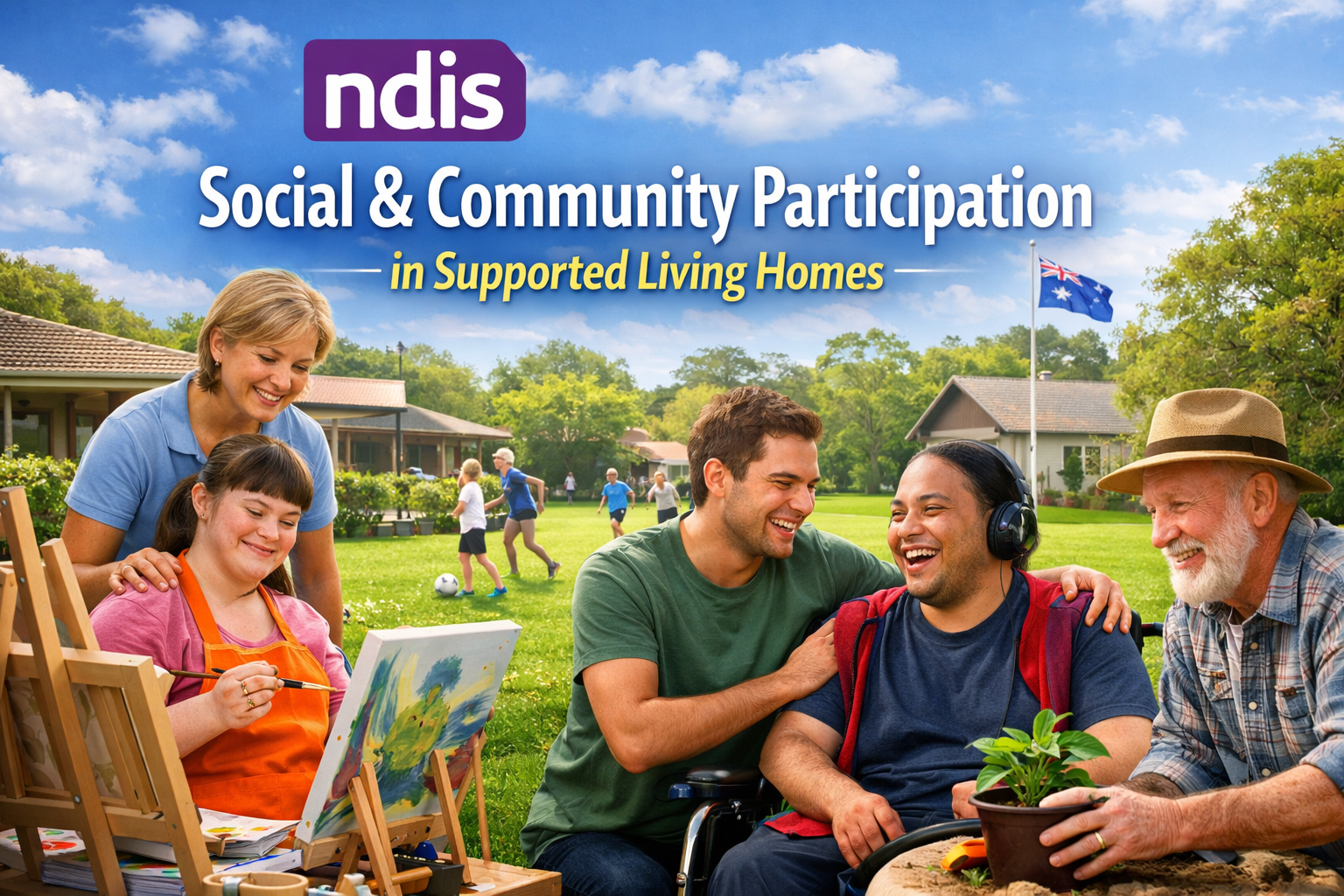
People with disabilities deserve opportunities to live meaningful, connected, and independent lives. In Australia, the National Disability Insurance Scheme (NDIS) plays a vital role in making this possible by funding supports that help individuals participate actively in their communities. One of the most valuable supports under the scheme is ndis social and community participation, which encourages individuals to build relationships, develop skills, and engage in everyday community life.
For people living in supported living homes, these opportunities are especially important. Structured support combined with community engagement allows participants to improve their confidence, independence, and overall wellbeing. Organisations such as EasAbility help individuals access the right programs and activities so they can participate fully in society while receiving the support they need.
This article explores the importance of ndis social and community participation, how it works in supported living homes, and how it benefits individuals across Australia.
Understanding NDIS Social and Community Participation
NDIS social and community participation refers to the support funded by the NDIS that helps participants take part in social, recreational, and community-based activities. These supports are designed to encourage independence while ensuring individuals with disabilities can enjoy the same opportunities as everyone else.
The NDIS funds a range of activities that allow participants to engage with their communities. These may include attending social events, joining recreational groups, volunteering, learning new skills, or simply going out for daily activities such as shopping or visiting community centres.
The goal is not just to provide care but to promote inclusion, independence, and personal development.
What Are Supported Living Homes?
Supported living homes provide accommodation for people with disabilities who require assistance with daily tasks while still maintaining a level of independence. These homes are designed to create a safe and supportive environment where residents can live comfortably while receiving the help they need.
Residents in supported living homes typically receive support with:
Daily living activities such as cooking, cleaning, and personal care
Medication management
Household organisation
Transport to appointments or activities
Social engagement and community participation
While these homes provide essential support, they also focus strongly on encouraging residents to participate in community life through ndis social and community participation programs.
Why Social and Community Participation Matters
Social connection plays a crucial role in mental health, emotional wellbeing, and personal development. Without opportunities to interact with others, individuals may experience isolation and reduced confidence.
NDIS-funded community participation helps address these challenges by enabling individuals to stay connected and active.
1. Reducing Social Isolation
Many people with disabilities experience loneliness due to limited mobility, accessibility barriers, or lack of support. Community activities help individuals build friendships and maintain social connections.
Supported living homes often organise group outings, events, or recreational programs that encourage interaction and teamwork.
2. Building Confidence and Independence
Participating in community activities allows individuals to step outside their comfort zones and gain confidence in their abilities.
For example, participants might learn how to:
Use public transport
Join local clubs or community groups
Participate in recreational programs
Attend educational workshops
These experiences empower individuals to become more independent in their everyday lives.
3. Improving Mental Health and Wellbeing
Engaging in meaningful activities can significantly improve emotional wellbeing. Social participation reduces stress, improves mood, and increases feelings of belonging.
Activities such as sports, arts, volunteering, or social events give participants a sense of purpose and achievement.
Types of Activities Funded Under NDIS Social and Community Participation
The NDIS supports a wide range of activities designed to suit different interests, abilities, and goals.
Recreational Activities
Recreational programs help participants stay active and enjoy hobbies. These may include:
Sports clubs
Fitness classes
Swimming programs
Music or dance activities
These activities promote both physical health and social engagement.
Skill Development Programs
Skill-building activities help participants develop practical life skills and improve independence.
Examples include:
Cooking classes
Computer or technology training
Financial management workshops
Communication skills programs
Participants can gain valuable knowledge that supports long-term independence.
Community Events and Social Gatherings
Community participation also includes attending social events, festivals, and local gatherings.
These activities help participants connect with the broader community and experience new environments.
Educational and Volunteering Opportunities
Many NDIS participants also choose to engage in learning or volunteering activities. These experiences help build confidence, responsibility, and community connections.
Volunteering, in particular, can provide a sense of purpose and belonging.
How Supported Living Homes Encourage Community Participation
Supported living homes play an important role in ensuring residents can access community activities safely and comfortably.
Individualised Support Plans
Every NDIS participant has unique goals and interests. Supported living providers work closely with participants to develop personalised activity plans that align with their NDIS goals.
For example, a participant interested in art may attend community art classes, while another participant may prefer sports or outdoor activities.
Transport Assistance
Transportation is often a major barrier for people with disabilities. Supported living homes frequently provide transport services or assist participants in using public transport safely.
This ensures participants can attend events, appointments, and social activities without difficulty.
Staff Support During Activities
Support workers often accompany participants to community events and activities. Their role is to provide assistance when needed while encouraging independence.
This support helps participants feel safe and confident when exploring new experiences.
Benefits of Community Participation for NDIS Participants
Community engagement provides long-term benefits that go far beyond simple social interaction.
Stronger Social Networks
Participants develop meaningful relationships with peers, support workers, and community members. These connections contribute to a stronger sense of belonging.
Improved Life Skills
Activities such as shopping, volunteering, or attending classes help participants gain real-world skills that improve independence.
Greater Confidence in Everyday Life
As individuals gain experience participating in the community, they often feel more confident managing everyday tasks and social interactions.
Enhanced Quality of Life
Ultimately, community participation improves overall quality of life. Participants experience greater happiness, fulfilment, and personal growth.
Role of Support Providers in Community Participation
Support providers play a key role in helping NDIS participants access community opportunities. Their responsibilities often include:
Identifying suitable programs and activities
Coordinating transport and scheduling
Providing support during outings
Encouraging participants to pursue their interests
Monitoring progress towards personal goals
Quality providers understand that community participation is not just about activities it is about empowering individuals to live meaningful lives.
Providers like EasAbility focus on creating inclusive opportunities that help participants develop skills, confidence, and independence within their communities.
How Families Benefit from NDIS Community Participation
NDIS community participation not only benefits participants but also supports families and caregivers.
Families often feel reassured knowing their loved ones are engaging in safe, structured activities that promote personal growth.
Community programs also give families peace of mind by ensuring their loved ones remain socially connected and emotionally supported.
Challenges in Social and Community Participation
While the NDIS provides significant support, participants may still face challenges when accessing community activities.
Some common barriers include:
Limited accessibility in public spaces
Transport difficulties
Anxiety or lack of confidence in social settings
Limited awareness of available programs
Supported living providers help address these challenges by offering guidance, structured programs, and encouragement.
The Future of Inclusive Community Living in Australia
Australia continues to make progress toward building inclusive communities where individuals with disabilities can participate fully in society.
NDIS initiatives are expanding opportunities for community engagement, skill development, and independent living.
Supported living homes are increasingly focusing on person-centred care, ensuring participants have greater control over their activities, goals, and lifestyles.
As awareness grows, communities across Australia are becoming more welcoming and accessible for people of all abilities.
Choosing the Right Support for Community Participation
Selecting the right support provider can make a significant difference in a participant’s experience.
When choosing a provider, participants and families should consider:
Experience with NDIS services
Variety of community participation programs
Personalized support plans
Qualified and compassionate staff
Access to transport and community resources
A strong provider will prioritize individual goals and ensure participants feel supported every step of the way.
Conclusion
NDIS social and community participation is a vital part of helping people with disabilities live independent, fulfilling lives. By encouraging engagement in social activities, recreational programs, and community events, the NDIS empowers individuals to build meaningful connections and develop essential life skills.
Supported living homes play an important role in facilitating these opportunities by providing personalized support, transport assistance, and guidance for community engagement.
Through well-designed programs and inclusive environments, participants across Australia can experience improved confidence, stronger social connections, and a better quality of life.
As the NDIS continues to evolve, community participation will remain a key pillar in creating a more inclusive and supportive society for everyone.
Comments
Log in or sign up to join the conversation.