

MTR is expanding its brand strategy through a creative sonic branding campaign designed to connect more deeply with passengers. Featuring television host Kenneth Chan, the initiative focuses on the sounds people hear during their daily journeys. Instead of treating these sounds as simple background noise, the campaign turns them into engaging experiences that encourage participation and awareness.
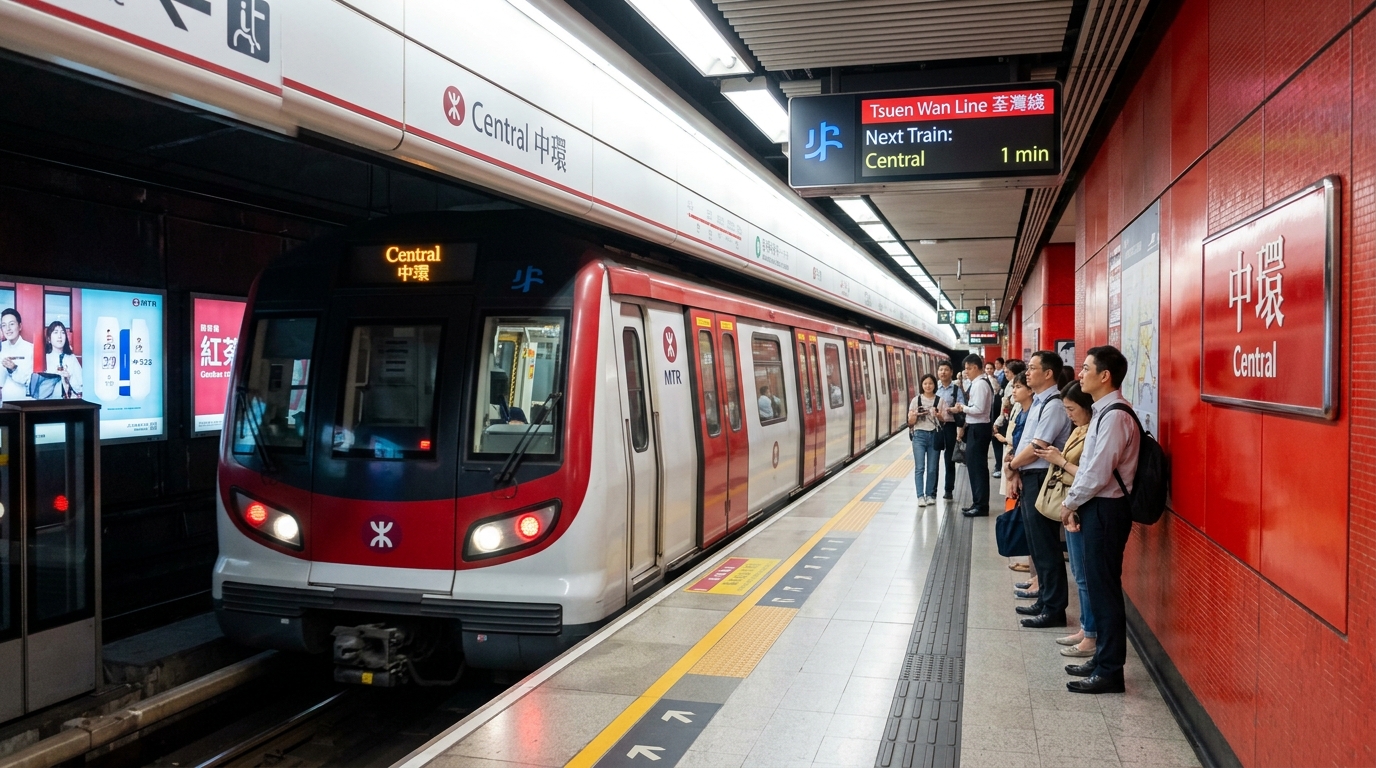
The project reflects a growing trend in modern marketing where sound plays a key role in shaping customer perceptions. Through interactive activities, educational content, and public engagement, the campaign aims to strengthen brand recognition while making everyday travel more meaningful and enjoyable for commuters across the network.
The Growing Role of Sound in Modern Branding
Sound has become an important tool for organizations looking to improve recognition and engagement.
MTR is using audio experiences to build stronger passenger connections.
Familiar sounds can create instant recognition.
Audio branding helps brands become more memorable.
People often associate sounds with specific experiences.
Consistent audio elements support brand identity.
Sound can influence emotions and perceptions.
Audio marketing complements visual branding efforts.
Strong sound identities help companies stand apart from competitors.
Repeated exposure increases long-term audience recall.
How Kenneth Chan Supports the Campaign
The choice of Kenneth Chan helps make the campaign more appealing and accessible.
His television background brings strong public recognition.
He is known for engaging audiences through interactive formats.
His personality fits the campaign’s educational goals.
Public trust can improve participation rates.
He helps explain campaign activities clearly.
Familiar presenters often attract wider attention.
His involvement adds entertainment value.
Audience engagement increases when campaigns feature respected personalities.
His communication style supports broad community outreach.
Interactive Activities Encourage Passenger Participation
A major focus of the campaign is encouraging people to become active participants.
Passengers take part in sound recognition challenges.
Audio quizzes create fun learning opportunities.
Participants explore railway-related knowledge.
Activities transform everyday sounds into engaging experiences.
Challenges appeal to a wide range of age groups.
Learning becomes more enjoyable through participation.
Interactive experiences improve audience involvement.
The campaign encourages curiosity about railway operations.
Entertainment and education work together effectively.
For readers interested in understanding branding trends and customer engagement strategies, Branding Strategy offers useful insights into how organizations build memorable identities through creative communication methods.
Digital Engagement Helps Reach New Audiences
Online participation allows the campaign to extend beyond physical locations.
MTR uses digital channels to increase campaign visibility.
Social media activities encourage regular interaction.
Online challenges attract younger audiences.
Digital content expands reach beyond daily commuters.
Interactive posts encourage sharing among users.
Social engagement increases brand awareness.
Online participation supports community building.
Digital communication keeps audiences connected.
Real-time feedback helps maintain interest and excitement.
Why Sonic Branding Delivers Long-Term Value
Many organizations are investing in audio branding because of its lasting impact.
Sound creates memorable customer experiences.
Consistent audio cues strengthen brand familiarity.
Strong audio identities improve recognition over time.
Emotional connections support customer loyalty.
Audio branding can become a valuable business asset.
Distinctive sounds reinforce marketing campaigns.
Positive experiences improve public perception.
Long-term consistency supports brand growth.
Sound-based strategies often complement broader marketing goals.
Final Thoughts
MTR has taken a creative approach to customer engagement by transforming familiar railway sounds into a memorable branding experience. Through Kenneth Chan’s participation and a strong focus on interactive learning, the campaign encourages deeper connections between passengers and the railway system. MTR also highlights the growing importance of sonic branding in modern marketing. As more organizations seek meaningful ways to connect with audiences, sound will likely remain a valuable tool for building recognition, trust, loyalty, engagement, and stronger customer relationships for years ahead.
Comments
Log in or sign up to join the conversation.