

More landmines than goldmines - that has been our view about equity markets, as well as other economic or geopolitical repercussions, for a long time.
And so we'll begin with a chat that's primarily about Apple (AAPL) and how it's impacting the markets. As does the return of buybacks from WellsFargo (WFC) they were allowed is curious in itself); and a mediocre report (I'd say a slight miss) from AT&T (T). Also I'd like to point-out a couple geopolitical issues which are largely ignored as risks to the markets (including currencies). One is the expansion of ISIS beyond the Middle East, to Afghanistan (in the same Tora-Bora region bin Laden used as a hideout long ago), and its determination to foment an upheaval in North Africa; particularly in Morocco and Libya. This is not mentioned in the media; but now Germany is actually considering dispatching troops to Libya to interdict this.
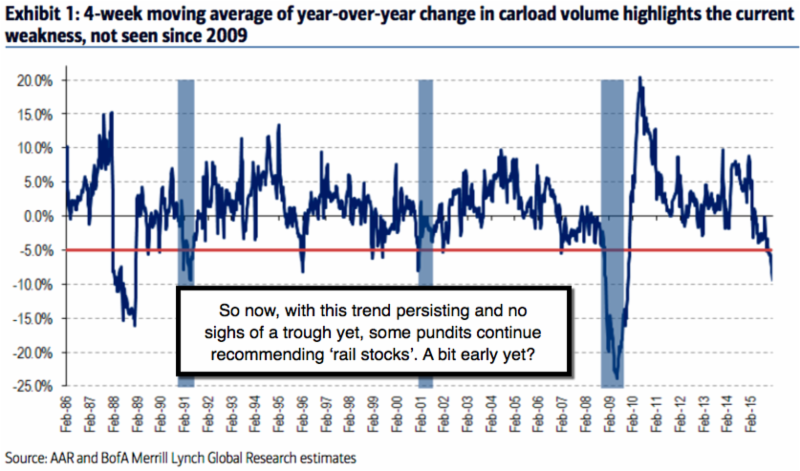
In addition; we might have to consider the implications of the ongoing debate in Europe as to whether the refugee influx is 'manageable' as Merkel contends; or is fracturing the EU with ever-greater fallback on assorted individual national plans to cope with an overwhelming challenge. If it's really fracturing the EU; it puts more pressure on the Euro; further strengthening the Dollar, and thus the pressure on US exports and profits persists. The irony is this improves profits to a lot of European companies; though I think they'd prefer calm cohesiveness.
I am surprised American media doesn't capture the essence of what's going on in Denmark, Sweden, France (where again 'refugees' impeded the Chunnel as they try to get-into the UK from Calais) and of course the fallout in Germany or in Sweden, in the wake of the outrageous public behavior issues that really are an affront to the well-intended hospitality so many offered immigrants. This all matters, as the EU is the world's largest trading bloc; imagine the implications if the UK actually votes to exit; or the currency wars if the Euro ever disappeared. I am not saying that happens; but isn't this one of the year's biggest stories?
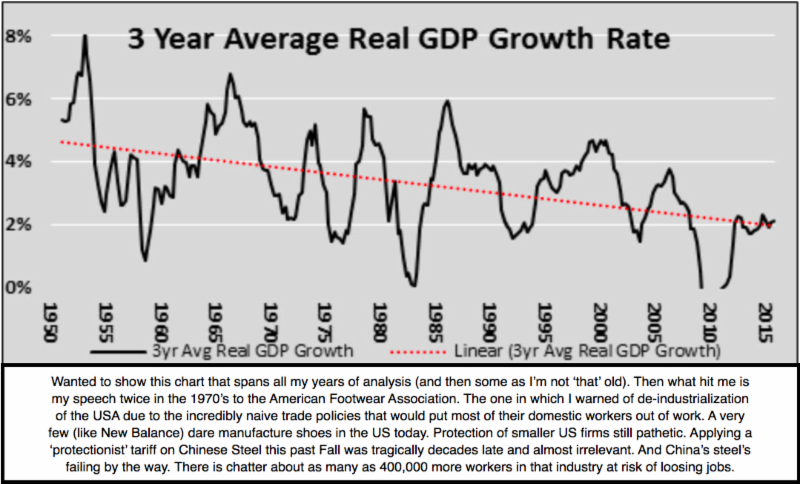
Today's late 'conference call' from Apple bore-out our view that impacted sales (not just for them, but I noted the contrast of their pricing changes in Europe on my most recent visit last August). Today's call began with Tim Cook highlighting their 'great results' in the face of signs of economic signs of confidence, and his reflections on the impact of currency fluctuations.
I don't disagree; my comment from Amsterdam was that they could 'get away' with the price increase that seemed ridiculous (up to $1600 for a 6sPlus now); because the competition isn't really the issue these days (customer retention is and has been unprecedented for Apple). Some countries have seen declines in price (India); and others are gaining new Apple operations (Italy, with a pledged IOS App research center in Naples); although one wonders if that correlates to the successful effort of mitigating back-taxes due to Italy. (Naples should solidly welcome this project, as it's not the most tech-oriented nor internet-broadband blessed of Italian cities.)

But the point is that Apple basically presented results as a weakening-currency issue; rather than pointing-put the iPhone 6s as the first simultaneous Chinese launch (iPhone 6 was a staggered launch). So there you go on sideways action that continues with Apple, which matters due to its position in the key averages.
Tonight we began with Apple, as the final video was recorded just as the NYSE closed; an hour before the results (which were about what we thought; overall good but not impressive, with China's launch sort of buried in the overall total of a year that we all know was an interim 's' year for the iPhone).
Also lacking; any hint of what to expect next (and that's what matters actually). Rumors persist of an Apple Watch 2 release in the Spring; but perhaps later as production might be beginning about then. What should be forthcoming are updates to MacBook and MacBook Pro's; to align the products with innovations seen in one or more products: for instance; the new single-cable power as well as USB-C cables; new keypad designs; Retina screens across all product lines; and most significantly; migrating to the newest (SkyLake) Intel processors that so far have appeared only in the top-end 27" iMac's; not the 21" variations. Of course volume business and earnings; hinges now on the iPhone 7 later-on.

The neutral response by Apple does not suggest all selling is done; but that the majority of money managers have probably balanced percentages (diversifying as they must) accordingly; and that makes this a 'market stock' for now (likely no better or worse than others; just a heavier impact). And that 'heavier' could mean lower prices (as we've suggested since 128-132 and again at 120 on the rebound, with a rough goal of somewhere between 80-100 ensuing, which is at present finding Apple in the upper end of that zone). That was an estimate that wanted to make the point 'everyone' who wanted to be in, was, at the high level (we suggested sale based on split-adjusted buys around 57); so the next thing to do was sell, which somewhat took place. Many are copacetic about it; others think it already got hit a lot (not really).
When I go into an Apple store, and as it occurred near the last low, I get asked if their retirement holdings in Apple are still safe, that's usually a good sign that the shares are near another buy time, just to be slightly cynical. Presently this might well be about midstream between the highs were it was a crowded long, and being used as part of the concentration to give the illusion of a firm market, and the lows, which may roughly coincide with a market low that's way ahead.

In-sum:
Apple has a 'net' miss; not 'beat' as it was reported (very conservative guidelines are usually strongly exceeded; and this time revenue was a bit low as well). We would be cautious about expecting anything dramatic near-term; and we would note that there are lots of 'misses' (even Netflix looks vulnerable) which can't be fully-masked by a return to buybacks; or even by a 'dovish' tone to the Fed's comments in the FOMC statement tomorrow.
It's not 'just' Apple; which really did do a phenomenal marketing executive with a generally perceived interim product (which I viewed as seriously improved in terms of performance, as they claim). The point is most companies don't have a shot at really impressive gains for the next Quarterly report. And Tim Cook's remark about the impact of foreign currencies given the majority of sales now are abroad; makes my point for me about the major multinational companies. It was also notable that he referred to 'investing in the downturns' historically.. an allusion to the pace of things slowing. He mentioned Hong Kong as sluggish; it may be that a contraction in foreign visitors whose (Asian) currencies are also weak; doesn't create an advantage to taking home products bought on trips. In the old days when the Euro and Canadian Dollar were strong, I would see more foreign buyers taking home multiple devices at favorable US prices. Not now. It is the same issue that constrains New York luxury retailers; or the absence now of most foreign real estate buyers from the high-end of New York or Florida.

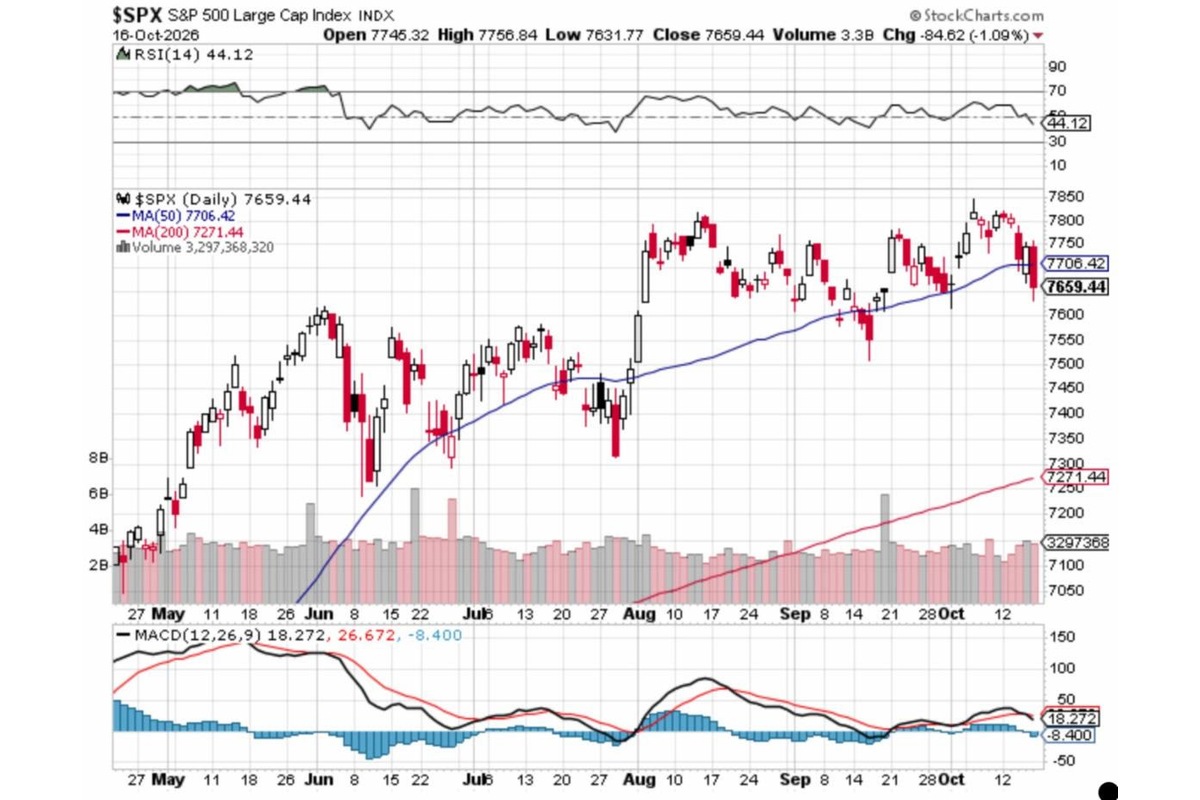
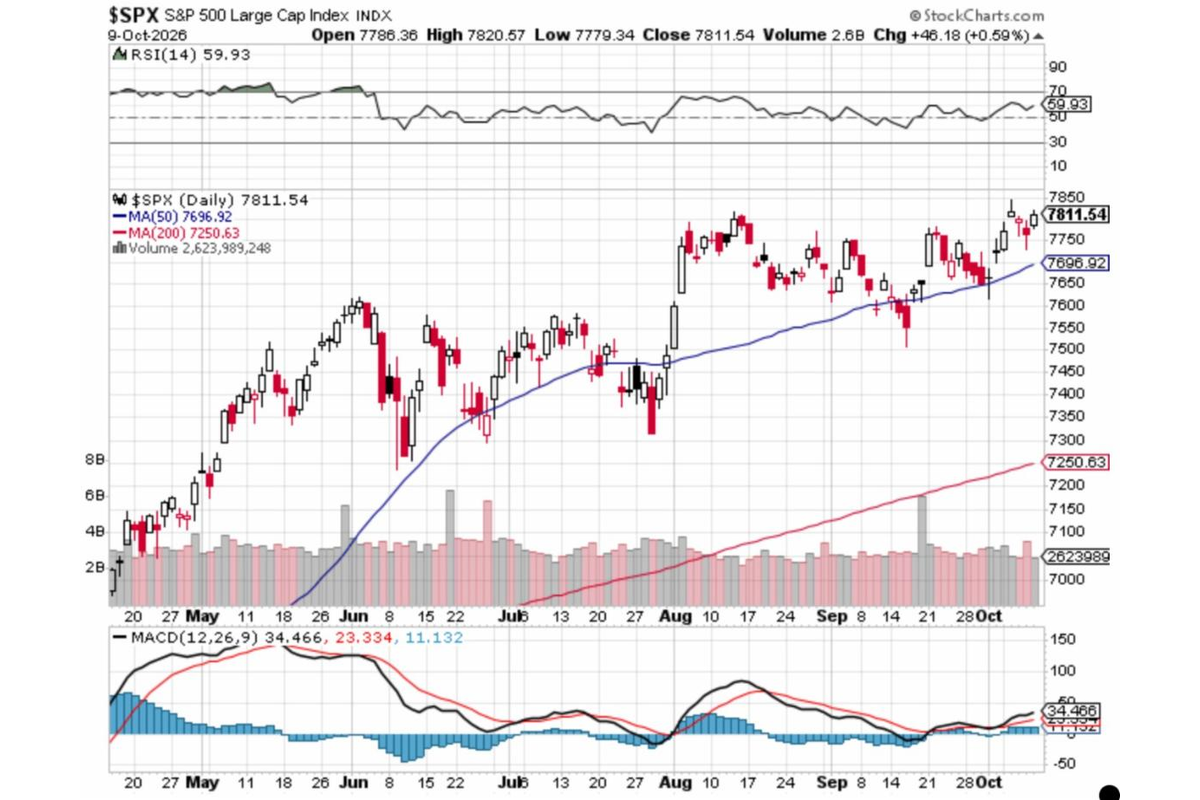
That and more leaves us viewing the 'relief' rally in the stock market as what we projected: a technical rebound from a short-term extreme washout with breadth as negative as I ever recall seeing last Wednesday (30x1 negative). For now it looks superficially like a strong rally; but the down-up turn didn't even take-out Monday's high. That might occur tomorrow; and we'd like it too... but it's dicey.
We'd like it too, because if they get a 'dovish' statement from the FOMC; maybe a bit more can be eeked-out of the move; however it's really not enticing at all. I know some are watching
Bank of America
next; but basically the rally stalling is regardless of Financials; regardless of buybacks; regardless of Fed pacivity; as well as regardless of any rationalizations about Chinese 'lines in the sands'.
Of course yesterday's comment by the top hedge manager in China to be 'short or out' of Chinese stocks (sounds like my attitude of the past year) may be valid but having warned of China likely to crash I think 2-3 years ago; clearly no need to say anything other than I concur; and have said 'submerging markets' aren't ready to 'emerge'; a stance I've consistently maintained. Beijing thinks they can defend against 'currency attacks' by George Soros? It's way past that; and their own citizens have been desperately trying to move capital offshore; part of why we got more bullish than just neutral on Gold; not for a big inflation-based move but simply flight-capital looking for somewhere to hide (as typically $10,000 for US currency purchases is the limit, and may attract attention of 'regulators').

Bottom-line:
sell the rallies remains the general prospect. Any reprieve by say a Chinese rumor of 'capital controls'; won't have lasting impact. Oil spiked and reversed rather starkly in late trading. So much for that firming (short-covering in a crowded market tickled by hope that a Saudi-Kuwait agreement on supply 'might' contribute to stabilizing price).
Organic growth in a few big stocks helped; but much was short-covering in lots of hammered retail stocks, which doesn't impress me at all. Just denotes risk in shorting after decline, which creates crowded shorts; opposite of crowded long trades; and thus not giving any valid longer-term indication.
Wednesday we get Oil Inventories again (probably more supply again) and the FOMC statement. Any rally will be sold into; any dip may rebound, but not show the capacity of extending a move in a sustainable way. The Street is scared the Fed will continue to paint a positive picture; as they want to get the Fed wind at their back again, even if it means a softer economy. That was the old game; of course they're fighting the last war. At this point bad news is actually bad news; even if they try to color it in a way the market seems to like just briefly.
Comments
Log in or sign up to join the conversation.