

Monetary policy seems to have hit a wall - while everyone debates whether it means markets are capable of a great fall. For now, other nations sag poorly, as the U.S. shuffles along in mediocre fashion, with a pathetic growth rate unworthy of the higher price levels seen in major equity indexes.
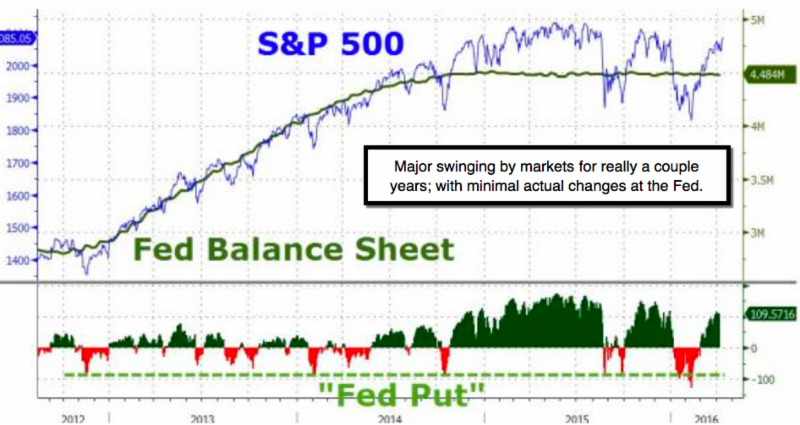
The issue of forward corporate profitability continues to pit those recognizing all the declines in business profitability -- as gross domestic savings are undercut by not just social benefit increases, but low savings rates -- vs. those who think that a low interest environment will push more businesses into investment since they can't get a decent return on yield. But that's fallacious thinking; actually this puts more restraint on consumer spending, especially among a growing elderly population. Fiscal policy is absent from the scene; and more QE isn't likely.

Yes, it's frustrating to see the market hang out at higher levels, while technicians battle the unknown response to Sunday's oil meeting (we have an idea that this will not help much; either it ends in disarray or they have a freeze at near record levels, which also doesn't help). So one has to be prepared for this market rally to sort of die on the vine; and conversely to pop a hair higher, then fade notably.

As interest rates turn negative (such as in Europe, especially Switzerland), you have a Depression-like policy with financial intermediaries left out in the cold, so to speak. This gets solved by people going into currencies (or even metals), the signs of which periodically are being seen. The Oil global surplus still inhibits the functioning by many oil producers; and the long phase of low prices argues very negatively for shale kicking in again anytime soon. New drilling or expansion will not occur without 60-70 price levels; and even then, so many are out of work that they won't readily reappear to work those fields so quickly abandoned to drilling.

Comments
Log in or sign up to join the conversation.