

India's extensive coastline supports millions of livelihoods dependent on fishing, from small-scale traditional fishing communities to larger commercial fleets operating across the country's territorial waters. Protecting these livelihoods requires careful management of marine resources, effective enforcement against illegal fishing practices, and reliable safety monitoring for fishing vessels operating in often unpredictable coastal and open water conditions. In 2026, mini drone technology has become an increasingly valuable tool for fisheries departments, coastal authorities, and fishing communities themselves, offering new capabilities for monitoring fishing fleets, protecting marine resources, and improving safety outcomes for those who depend on the sea for their livelihood.
The Challenges Facing India's Fishing Communities
India's coastal fishing sector faces a complex set of interconnected challenges that traditional monitoring and management approaches have often struggled to address effectively. Illegal, unregulated fishing practices, including trawling in protected zones or during restricted seasons, continue to threaten marine ecosystems and the long-term sustainability of fish stocks that coastal communities depend upon. Traditional enforcement methods relying on patrol boats and periodic surveillance have often proven insufficient to comprehensively monitor India's extensive coastline, leaving significant gaps that illegal fishing operations can exploit.
Safety concerns represent another persistent challenge for India's fishing communities, particularly for smaller traditional fishing vessels that venture into open waters without the sophisticated navigation and communication equipment found on larger commercial vessels. Sudden weather changes, mechanical failures, or vessels drifting off course can quickly become life-threatening situations, and traditional search and rescue capabilities have often struggled to respond quickly enough across India's vast coastal waters when fishing vessels encounter distress situations far from shore.
How Mini Drone Technology Supports Fisheries Monitoring
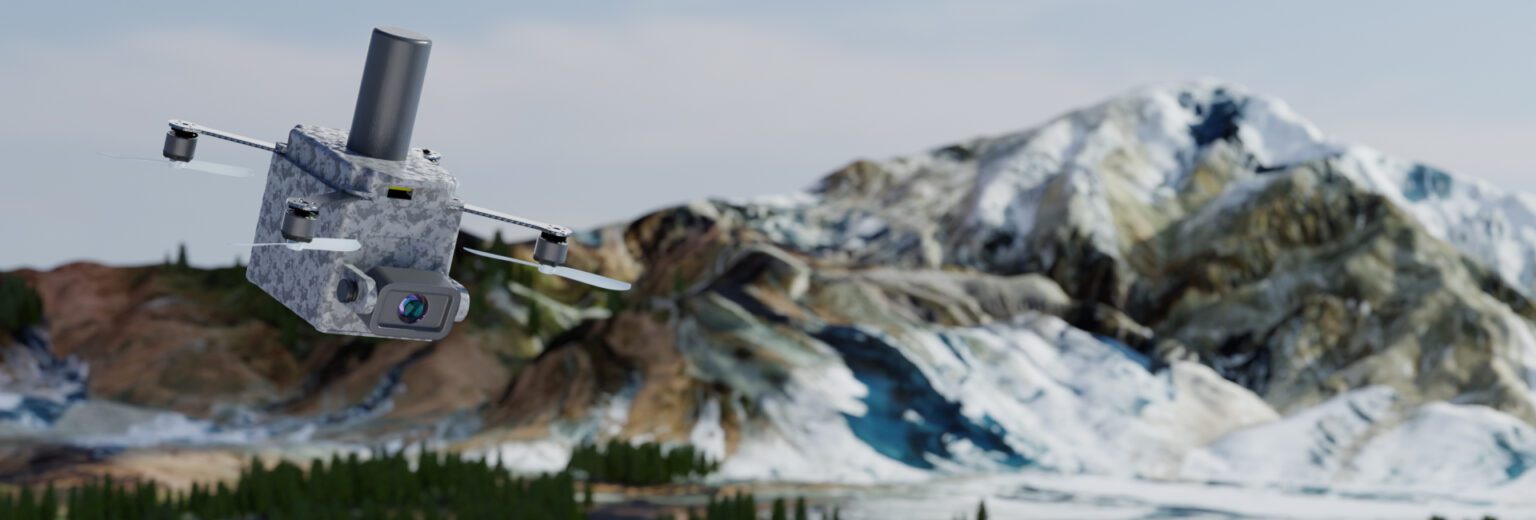
Mini drone technology addresses many of these longstanding challenges by giving fisheries departments and coastal authorities a flexible, rapidly deployable aerial monitoring capability that significantly extends their surveillance reach beyond what patrol boats alone can achieve. A mini drone can quickly cover substantial stretches of coastal water, monitoring fishing fleet activity, identifying vessels operating in restricted zones, and documenting potential violations with a level of detail and evidence quality that supports effective enforcement action.
This capability has proven particularly valuable for monitoring marine protected areas and seasonal fishing restrictions designed to allow fish populations to recover during critical breeding periods. Rather than relying solely on periodic patrol boat visits that might miss violations occurring between scheduled patrols, fisheries authorities can deploy mini drones to conduct more frequent, comprehensive aerial surveys of protected zones, significantly improving their ability to detect and respond to illegal fishing activity in real time.
Coastal authorities have also found mini drone technology valuable for monitoring compliance with fishing gear regulations, identifying vessels using prohibited equipment or fishing methods that can be particularly damaging to marine ecosystems, such as certain types of trawling nets known to cause significant habitat destruction on the ocean floor.
Supporting Sustainable Fisheries Management
Beyond enforcement applications, mini drone technology increasingly supports broader fisheries management and marine resource conservation efforts across India's coastal regions. Regular aerial surveys help researchers and fisheries scientists monitor fish population indicators, track changes in fishing fleet distribution patterns over time, and gather data that supports more informed decision-making about sustainable catch limits and seasonal fishing restrictions.
This data-driven approach to fisheries management represents a meaningful improvement over historical approaches that often relied on more limited data collection methods, helping authorities develop more accurate, evidence-based policies that balance the economic needs of fishing communities with the long-term sustainability of marine resources that these communities ultimately depend upon for their continued livelihoods.
Enhancing Safety for Fishing Vessels at Sea
Mini drone technology has also become an increasingly important tool for improving safety outcomes for fishing vessels operating in India's coastal waters. Coast guard and maritime safety authorities can deploy mini drones equipped with cameras to quickly assess conditions when fishing vessels report distress situations, providing rescue coordinators with valuable visual information about a vessel's condition, location, and the severity of the situation before committing rescue resources.
This rapid aerial assessment capability proves particularly valuable during search operations for vessels that have lost communication or drifted off their expected course, where mini drones can systematically search likely areas far more quickly than would be possible using boats alone, significantly improving the chances of locating vessels and crew members before conditions deteriorate further or resources are exhausted.
Weather monitoring represents another valuable safety application, where mini drones help coastal authorities track approaching weather systems and communicate warnings to fishing fleets operating in affected areas, supporting more timely decisions about returning to shore before dangerous conditions develop.
Extended Coverage Through Aerostatic Drone Technology
While mini drones excel at rapid, targeted monitoring of specific coastal areas, certain large-scale fisheries surveillance applications benefit from the extended endurance offered by aerostatic drone technology. An aerostatic drone combines the buoyancy of a lighter-than-air envelope with directional flight control, allowing it to remain airborne for significantly longer periods than a typical rotor-based mini drone, making it particularly valuable for sustained monitoring of extensive coastal zones or persistent surveillance of known illegal fishing hotspots.
For coastal regions requiring extended surveillance coverage, an aerostatic drone can maintain a stable aerial position above key fishing grounds or protected marine areas for hours at a time, providing continuous monitoring that supports more effective enforcement against illegal fishing activity while also serving as a persistent safety resource for fishing vessels operating within range of its coverage area.
Engineering Reliability Behind Coastal Monitoring Technology
The dependability that fisheries authorities now require from mini drone technology owes a significant debt to engineering advances originally developed for far more demanding defence and tactical applications. Platforms such as the Atal DrishTI Tactical Aerostat, engineered for persistent tactical surveillance in challenging field conditions, have contributed to broader advances in aerial platform stability, sensor integration, and reliable performance under difficult environmental conditions across the Indian drone industry. The rigorous engineering standards behind systems like the Atal DrishTI Tactical Aerostat have gradually influenced commercial drone development, resulting in more dependable, weather-resistant platforms suited to the demanding coastal conditions that fisheries monitoring operations often encounter, including salt spray, humidity, and unpredictable maritime weather.
This transfer of technology from tactical defence applications into fisheries monitoring use cases reflects a broader pattern within India's drone industry, where innovations developed for demanding operational contexts frequently find valuable applications across entirely different sectors, from coastal resource protection to celebratory entertainment such as a drone show for wedding functions or a drone show for event product launches, illustrating the remarkable versatility of modern aerial engineering.
Building Trust With Coastal Fishing Communities
As mini drone technology becomes increasingly integrated into fisheries monitoring efforts, authorities have recognized the importance of engaging with coastal fishing communities to build understanding and support for these new monitoring capabilities. Rather than positioning drone surveillance purely as an enforcement tool, many fisheries departments have emphasized the safety benefits this technology provides, helping fishing communities understand how mini drone monitoring can support faster emergency response and better protect the marine resources that sustain their livelihoods over the long term.
This collaborative approach has proven important for ensuring that technology adoption serves the genuine interests of coastal communities, rather than being perceived solely as an external enforcement mechanism disconnected from the practical concerns of those who depend on healthy, sustainable fisheries for their economic survival.
Protecting India's Coastal Future
As mini drone technology continues to mature within India's fisheries management and maritime safety sectors, the combination of improved enforcement capabilities, better resource conservation data, and enhanced safety outcomes represents a meaningful step toward more sustainable, protected coastal livelihoods across the country. Authorities and organizations that have integrated aerial monitoring into their coastal management strategies are demonstrating measurable improvements in both marine resource protection and safety outcomes for fishing communities.
For fisheries departments, coastal authorities, and maritime safety organizations interested in exploring how mini drone and aerostatic drone technology can support their monitoring and safety objectives, partnering with an experienced drone technology provider offers a practical starting point for building this capability into coastal management operations.
To learn more about mini drone technology and aerostatic drone solutions for fisheries monitoring and coastal safety applications, visit https://airbotix.in/.
Call to Book: +91-9160027310 / +91-9625796855 Email: [email protected]
Comments
Log in or sign up to join the conversation.