

Introduction
The Middle East & Africa (MEA) LNG bunkering market is steadily gaining momentum as the global maritime industry shifts toward cleaner, more sustainable marine fuels. Liquefied Natural Gas (LNG) has emerged as one of the most practical alternatives to conventional marine fuels, helping ship operators reduce greenhouse gas emissions, comply with evolving environmental regulations, and improve operational efficiency. As international shipping companies continue to modernize their fleets, LNG bunkering is becoming an essential component of the region's maritime infrastructure.
According to TechSci Research report, “Middle East & Africa LNG Bunkering Market Report – By Country, Competition, Forecast and Opportunities, 2020-2030F”, Middle East & Africa LNG Bunkering Market was valued at USD 158 Million in 2024 and is expected to reach USD 220 Million by 2030 with a CAGR of 5.59% during the forecast period.
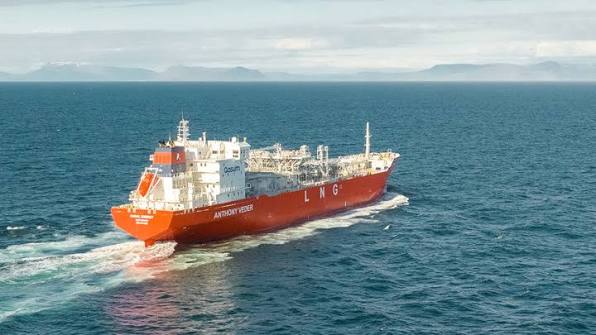
The region's strategic location along some of the world's busiest shipping corridors, abundant natural gas reserves, expanding port infrastructure, and government-led clean energy initiatives are collectively creating favorable conditions for LNG bunkering. As countries pursue long-term decarbonization goals while strengthening their maritime economies, LNG bunkering is expected to play a pivotal role in supporting sustainable shipping across the Middle East and Africa.
Industry Key Highlights
Market valued at USD 158 Million in 2024
Expected to reach USD 220 Million by 2030
Forecast CAGR of 5.59%
Governments increasingly integrating LNG bunkering into national energy transition plans
Bulk & General Cargo Fleet dominates the end-user segment
Qatar emerges as the fastest-growing regional market
Expansion of LNG terminals and port infrastructure accelerates market growth
Rising adoption of LNG-powered vessels to meet international emission standards
Strategic maritime routes strengthen regional LNG bunkering demand
Growing public-private investments support long-term industry development
Request For Sample Copy of Report For More Detailed Market insight:
Market Overview
The LNG bunkering market in the Middle East and Africa is evolving from an emerging industry into a critical element of the region's maritime ecosystem. LNG bunkering involves supplying liquefied natural gas as fuel for ships, enabling cleaner maritime operations while reducing sulfur oxides, nitrogen oxides, particulate matter, and carbon emissions.
Global shipping is undergoing a major transformation as vessel operators seek fuels that comply with stringent environmental regulations while maintaining cost competitiveness. LNG has emerged as one of the leading transition fuels because it offers immediate environmental benefits without requiring a complete overhaul of existing maritime logistics.
The Middle East possesses some of the world's largest natural gas reserves, providing a reliable supply base for LNG production. At the same time, African nations are increasingly monetizing newly discovered offshore gas reserves, creating additional opportunities for regional LNG infrastructure development.
Ports throughout the region are investing in LNG storage facilities, bunkering terminals, refueling vessels, and integrated fuel distribution systems. These investments position the Middle East and Africa as an increasingly attractive destination for LNG-powered commercial shipping.
The combination of strategic geography, growing maritime trade, supportive government policies, and expanding LNG infrastructure provides a strong foundation for sustained market growth.
Key Drivers
Government-Led Energy Transition Strategies
Governments across the Middle East are actively incorporating LNG bunkering into broader national energy diversification plans.
Countries including the United Arab Emirates, Saudi Arabia, Egypt, and Qatar recognize that maritime transportation represents an important opportunity to reduce emissions while strengthening economic competitiveness.
National energy strategies increasingly include:
Expansion of LNG infrastructure
Low-carbon port initiatives
Clean maritime transportation
Integration of LNG supply chains
Incentives for private investment
These initiatives encourage shipping companies to adopt LNG-powered vessels while attracting infrastructure investments.
Expansion of Natural Gas Infrastructure
The Middle East benefits from well-established LNG production and export facilities.
Existing liquefaction plants, storage terminals, pipelines, and gas distribution networks allow governments to expand LNG bunkering services more efficiently than regions starting from scratch.
African nations are also developing LNG export projects that can support both international energy markets and domestic maritime fuel demand.
Environmental Regulations
International shipping regulations continue to encourage the transition toward cleaner marine fuels.
LNG enables shipping companies to significantly reduce sulfur emissions while lowering greenhouse gas output compared to conventional heavy fuel oil.
As emission standards become increasingly stringent, LNG bunkering is expected to become an essential service at major regional ports.
Strategic Shipping Routes
The Middle East and Africa are located along several of the world's busiest maritime corridors.
Major shipping routes passing through:
Suez Canal
Strait of Hormuz
Gulf of Oman
Bab el-Mandeb Strait
generate continuous demand for marine fuel services.
Ships traveling between Europe, Asia, and Africa require reliable refueling facilities, making regional LNG bunkering infrastructure strategically important.
Public and Private Sector Investments
Governments continue introducing investment-friendly policies including:
Tax incentives
Infrastructure funding
Regulatory support
Public-private partnerships
These measures encourage international energy companies and logistics providers to expand LNG bunkering capabilities throughout the region.
Emerging Trends
Integration into National Energy Policies
Rather than viewing LNG bunkering as an isolated maritime service, governments are integrating it into broader energy transition frameworks.
This alignment allows infrastructure investments to support multiple industries simultaneously, including shipping, power generation, industrial manufacturing, and gas exports.
Smart Port Development
Modern ports increasingly incorporate digital technologies that optimize fuel storage, inventory management, vessel scheduling, and bunkering operations.
Automation improves operational efficiency while reducing turnaround times for LNG-powered vessels.
Growth of LNG-Fueled Fleets
Shipping companies continue investing in LNG-powered and dual-fuel vessels to improve regulatory compliance while lowering long-term operating costs.
Bulk carriers, container ships, tankers, and offshore support vessels increasingly include LNG-compatible propulsion systems.
Infrastructure Modernization
Ports across the Middle East and Africa are expanding:
LNG storage tanks
Refueling stations
Bunkering terminals
Cryogenic fuel handling systems
These upgrades improve service reliability while supporting larger vessel volumes.
Sustainable Maritime Logistics
Environmental sustainability has become a major competitive advantage for ports seeking international shipping traffic.
Ports offering LNG bunkering services position themselves as preferred destinations for environmentally responsible shipping companies.
Real-World Use Cases
Bulk Commodity Transportation
Bulk carriers transporting minerals, cement, grains, and raw materials increasingly utilize LNG-powered engines to reduce fuel costs while meeting international environmental standards.
International Container Shipping
Global shipping lines operating between Asia, Europe, and Africa benefit from LNG bunkering at strategically located regional ports, enabling uninterrupted long-distance operations.
Energy Export Logistics
Countries with abundant LNG production integrate marine fuel services with existing export infrastructure, maximizing asset utilization while creating new revenue opportunities.
Port Sustainability Programs
Major ports are implementing LNG bunkering facilities as part of broader sustainability initiatives aimed at reducing emissions and attracting environmentally conscious shipping companies.
Offshore Energy Operations
Offshore support vessels serving oil and gas production facilities increasingly adopt LNG fuel systems to reduce operational emissions while maintaining high performance in demanding environments.
Competitive Analysis
Major companies operating in the Middle East & Africa LNG Bunkering Market are:
TotalEnergies SE
Shell plc
Gasum Oy
ENGIE SA
Trafigura Group Ltd.
Vitol Group
LNG Energy
ExxonMobil Corporation
Customers can also request 10% free customization on this report.
Future Outlook
The future of the Middle East & Africa LNG Bunkering Market remains highly promising as global maritime decarbonization continues to reshape fuel demand.
Qatar is expected to emerge as one of the fastest-growing markets due to its abundant natural gas reserves, world-class LNG production facilities, strategic location, and continued investments under its long-term national development strategy.
Expansion of Hamad Port and additional LNG bunkering facilities will further strengthen Qatar's position as a regional LNG refueling hub.
Meanwhile, countries including Saudi Arabia, the UAE, Egypt, Mozambique, and Senegal are expected to increase investments in LNG production, storage, and maritime infrastructure.
Growing international shipping activity, stricter emission regulations, increasing LNG-powered vessel adoption, and continued infrastructure modernization will collectively drive sustained market expansion.
Over the longer term, LNG will continue serving as an important transition fuel while complementing emerging low-carbon maritime technologies, enabling shipping companies to balance environmental responsibility with operational efficiency.
10 Benefits of This Research Report
Provides detailed analysis of the Middle East & Africa LNG Bunkering Market.
Evaluates current market size, future forecasts, and growth potential.
Identifies major industry drivers accelerating market expansion.
Highlights emerging trends influencing maritime fuel adoption.
Examines competitive strategies of leading market participants.
Offers comprehensive segmentation by vessel type, end user, and country.
Assesses investment opportunities across LNG infrastructure and maritime logistics.
Analyzes regulatory developments affecting clean marine fuel adoption.
Supports business planning with valuable market intelligence and strategic insights.
Helps investors, shipping companies, energy providers, and policymakers make informed long-term decisions.
Conclusion
The Middle East & Africa LNG Bunkering Market is steadily transforming into an essential pillar of sustainable maritime transportation. Valued at USD 158 million in 2024 and projected to reach USD 220 million by 2030 at a CAGR of 5.59%, the market reflects the region's growing commitment to cleaner shipping solutions and long-term energy diversification.
Government initiatives, expanding LNG infrastructure, abundant natural gas resources, and increasing environmental regulations are creating favorable conditions for LNG bunkering adoption across major regional ports. The dominance of the Bulk & General Cargo Fleet further demonstrates the practical role of LNG in supporting cost-efficient and environmentally responsible maritime trade.
As strategic investments continue across Qatar, the UAE, Saudi Arabia, Egypt, and emerging African LNG-producing nations, the region is well positioned to become a globally significant LNG bunkering hub. Continued collaboration between governments, energy companies, port operators, and shipping firms will be instrumental in accelerating infrastructure development and supporting the transition toward a cleaner, more resilient maritime industry.
Contact US:
Techsci Research LLC
420 Lexington Avenue, Suite 300,
New York, United States- 10170
Tel: +13322586602
Email: [email protected]
Web: https://www.techsciresearch.com/
Comments
Log in or sign up to join the conversation.