

Introduction
According to TechSci Research report, “Middle East & Africa Compressed Natural Gas Dispenser Market – By Country, Competition, Forecast and Opportunities, 2020-2030F”, Middle East & Africa Compressed Natural Gas Dispenser Market was valued at USD 67 Million in 2024 and is expected to reach USD 95 Million by 2030 with a CAGR of 5.89% during the forecast period.
The Middle East & Africa (MEA) Compressed Natural Gas (CNG) Dispenser Market is emerging as an important component of the region’s transition toward cleaner and more diversified energy solutions. As governments seek to reduce carbon emissions, strengthen energy security, and maximize the utilization of abundant natural gas reserves, compressed natural gas is becoming an increasingly attractive alternative to conventional transportation fuels. This transition is driving substantial investments in CNG refueling infrastructure, creating strong demand for advanced CNG dispensers capable of delivering safe, efficient, and reliable fueling services.
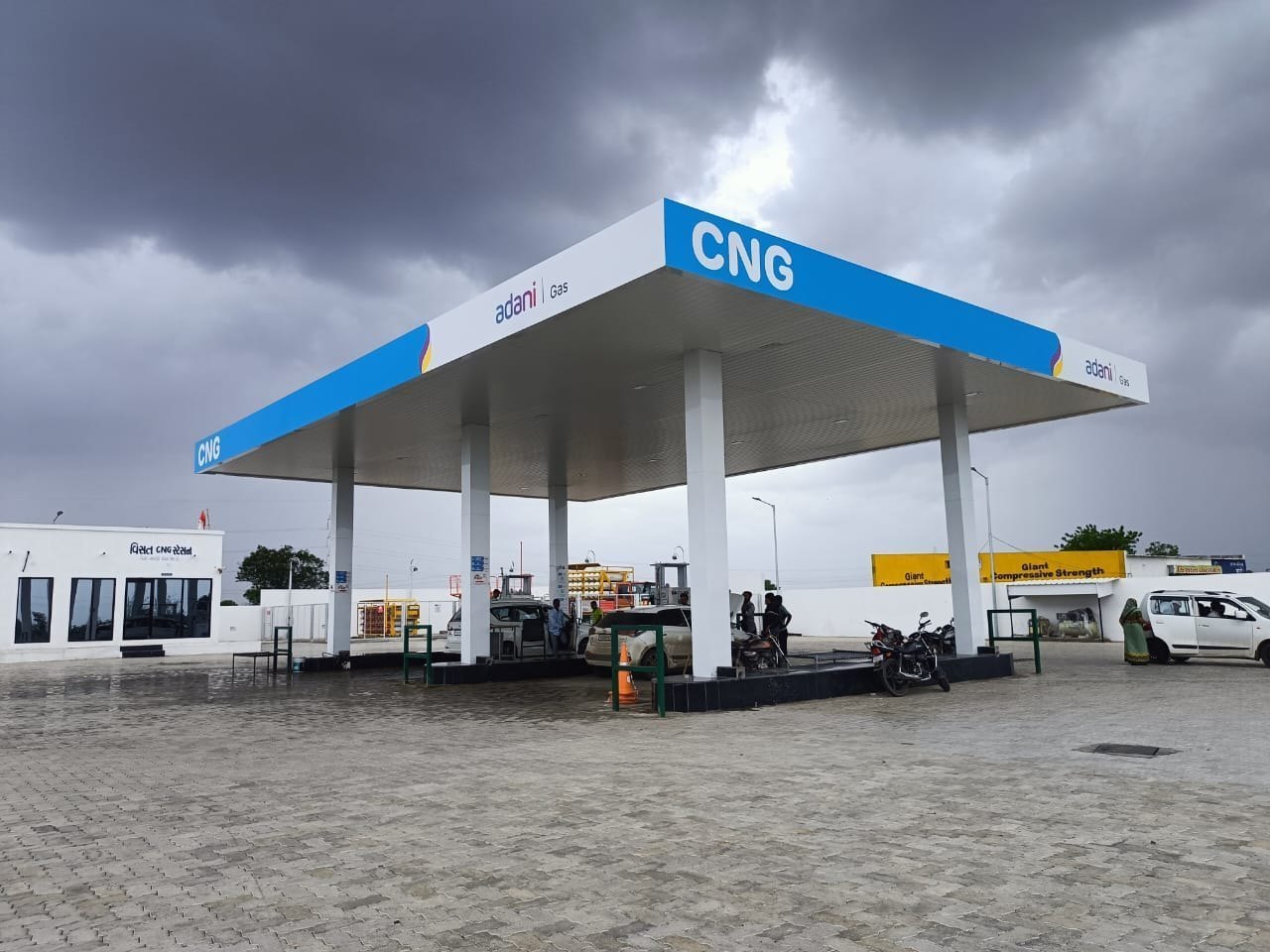
Many countries across the Middle East possess some of the world's largest natural gas reserves, while several African nations are rapidly expanding their transportation infrastructure to accommodate growing urban populations. These developments are encouraging governments and private companies to invest in sustainable fueling networks that reduce dependence on imported petroleum products while supporting cleaner mobility solutions.
As countries across the region continue pursuing energy diversification and sustainable development goals, the deployment of modern CNG dispensing systems is expected to play an increasingly important role in shaping the future of transportation.
Request For Sample Copy of Report For More Detailed Market insight
Industry Key Highlights
Market valued at USD 67 Million in 2024
Expected to reach USD 95 Million by 2030
Forecast CAGR of 5.89%
Company Owned & Company Run remains the dominant distribution model
Qatar is the fastest-growing country in the regional market
Increasing investments in CNG fueling infrastructure
Rising adoption of CNG-powered commercial and public transportation fleets
Growing government initiatives supporting clean mobility
Strong focus on energy diversification and energy security
Continuous technological advancements improving dispenser efficiency and safety
Market Overview
The Middle East & Africa Compressed Natural Gas Dispenser Market is experiencing steady expansion as governments, transportation operators, and energy companies recognize the economic and environmental advantages of natural gas-based mobility solutions.
CNG dispensers serve as the core component of refueling stations, enabling safe and accurate delivery of compressed natural gas to passenger vehicles, buses, taxis, logistics fleets, and commercial transportation operators.
Increasing fuel prices, stricter environmental regulations, and growing concerns regarding air pollution are encouraging the transition toward cleaner transportation fuels throughout the region. Governments are introducing incentive programs, infrastructure investments, and policy reforms that promote CNG adoption while supporting broader sustainability objectives.
Countries with abundant natural gas resources are particularly well positioned to accelerate this transition. By utilizing domestically available natural gas instead of imported liquid fuels, governments can improve energy independence while reducing transportation costs.
Technological advancements are further strengthening market growth. Modern CNG dispensers now feature digital metering systems, automated pressure controls, remote diagnostics, advanced safety mechanisms, and real-time monitoring capabilities that improve fueling efficiency and operational reliability.
Private investors and public-sector organizations are also collaborating to expand CNG station networks, particularly in urban areas experiencing rapid population growth and increasing vehicle ownership.
As regional economies continue investing in transportation modernization, the CNG dispenser market is expected to benefit from sustained infrastructure development and expanding alternative fuel adoption.
Key Drivers
Growing Focus on Energy Security
Energy diversification has become a strategic priority for many countries across the Middle East and Africa.
Although several Middle Eastern economies possess substantial oil reserves, governments increasingly recognize the importance of utilizing natural gas to reduce dependence on a single energy source while improving long-term energy resilience.
CNG enables countries to leverage domestic gas resources more effectively, strengthening national energy security and reducing exposure to international fuel price volatility.
Government Support for Clean Transportation
Government initiatives encouraging cleaner transportation solutions continue driving market expansion.
Financial incentives, supportive regulations, infrastructure development programs, and public fleet conversion projects are encouraging greater adoption of CNG-powered vehicles and fueling stations.
National sustainability strategies also support investments in alternative fuel technologies that contribute to emissions reduction targets.
Expansion of CNG Infrastructure
The growing establishment of CNG fueling stations is creating strong demand for advanced dispensing equipment.
Investments in refueling infrastructure ensure convenient fuel availability for passenger vehicles, buses, taxis, and commercial fleets, making CNG a practical transportation solution across both developed and emerging markets.
Urbanization and Transportation Demand
Rapid urbanization throughout the Middle East and Africa continues increasing transportation requirements.
Growing cities require cleaner public transportation systems capable of serving expanding populations while minimizing environmental impact. CNG-powered buses and commercial fleets offer an attractive solution that combines operational efficiency with lower emissions.
Cost Advantages of Natural Gas
Natural gas remains a cost-effective transportation fuel compared to conventional petroleum products in many regional markets.
Lower operating costs encourage fleet operators to convert commercial vehicles to CNG, creating sustained demand for reliable dispensing infrastructure.
Emerging Trends
The Middle East & Africa Compressed Natural Gas Dispenser Market is evolving rapidly through technological innovation, digital transformation, and increasing sustainability initiatives.
One of the most significant trends is the expansion of smart CNG fueling stations equipped with digital monitoring systems, automated dispensing technology, and remote diagnostics. These innovations improve fueling accuracy while reducing maintenance requirements and operational downtime.
Fleet conversion programs are also gaining momentum across several countries. Public transportation agencies, logistics providers, municipal fleets, and taxi operators are increasingly replacing conventional fuel vehicles with CNG-powered alternatives to reduce operating costs and environmental emissions.
Another notable trend is the integration of advanced safety technologies into CNG dispensing systems. Modern dispensers feature leak detection sensors, automatic shutdown systems, pressure monitoring, and intelligent control units that enhance operational safety while improving customer confidence.
Digital payment systems and automated station management software are becoming increasingly common, allowing operators to optimize station performance while delivering a more convenient customer experience.
Qatar is emerging as one of the region's fastest-growing CNG markets due to substantial investments in clean transportation infrastructure, favorable government policies, and strong domestic natural gas availability. The country's Vision 2030 strategy continues supporting sustainable mobility solutions through large-scale infrastructure development and environmental initiatives.
The dominant Company Owned & Company Run distribution model continues gaining preference across the region because it enables centralized quality control, standardized maintenance, consistent customer service, and better alignment with government energy policies.
As technological innovation accelerates and governments continue promoting alternative fuels, the regional CNG dispenser market is expected to experience sustained long-term expansion.
Request For Sample Copy of Report For More Detailed Market insight
Real-World Use Cases
The Middle East & Africa Compressed Natural Gas (CNG) Dispenser Market is playing an increasingly important role in supporting sustainable transportation and energy diversification across the region. Governments, fuel retailers, and fleet operators are deploying advanced CNG dispensing systems to reduce emissions, lower fuel costs, and strengthen domestic energy utilization.
Public Transportation Networks
Many cities across the Middle East and Africa are transitioning public transportation fleets from conventional fuels to compressed natural gas. CNG-powered buses equipped with access to dedicated fueling stations help reduce urban air pollution while lowering operating costs for transport authorities.
Commercial Fleet Operations
Logistics companies, delivery service providers, and freight operators are increasingly adopting CNG-powered trucks and light commercial vehicles. Modern CNG dispensers provide quick and reliable refueling, enabling fleet operators to improve efficiency while reducing fuel expenses.
Taxi and Ride-Hailing Services
Taxi operators are converting their vehicles to CNG to benefit from lower operating costs and cleaner emissions. The growing network of CNG fueling stations supports uninterrupted operations and encourages wider adoption of alternative fuel vehicles.
Municipal Vehicle Fleets
Government agencies are utilizing CNG-powered garbage collection trucks, maintenance vehicles, and utility service fleets to meet sustainability objectives. Reliable CNG dispensing infrastructure ensures smooth fleet operations while supporting national environmental goals.
Industrial and Energy Facilities
Industrial zones and energy companies are establishing private CNG refueling stations to support company-owned transportation fleets. These facilities improve fuel accessibility, reduce logistics costs, and optimize fleet management.
National Clean Energy Programs
Several governments across the region are integrating CNG infrastructure into broader clean energy initiatives. Investments in fueling stations and dispensing technologies contribute to long-term energy diversification while strengthening domestic natural gas utilization.
Competitive Analysis
Emerson Electric Co.
AptarGroup, Inc.
IHI Corporation
Censtar Science & Technology Corp.
Chart Industries, Inc.
Gilbarco Veeder-Root
Tatsuno Corporation
Landi Renzo S.p.A.
Customers can also request 10% free customization on this report.
Future Outlook
The Middle East & Africa Compressed Natural Gas Dispenser Market is expected to maintain healthy growth as governments continue investing in cleaner transportation systems and diversified energy infrastructure.
The increasing utilization of abundant natural gas resources, particularly across the Middle East, will continue supporting investments in CNG fueling stations and dispensing equipment. Countries seeking to reduce dependence on conventional petroleum fuels are expected to expand alternative fuel infrastructure over the coming years.
The Company Owned & Company Run model is projected to remain the preferred distribution approach due to its ability to deliver operational consistency, enhanced quality control, and better alignment with national energy policies.
Qatar is anticipated to remain one of the fastest-growing markets in the region, supported by substantial investments in sustainable transportation, government incentives, and ongoing expansion of CNG infrastructure under long-term national development initiatives.
Technological innovation will continue transforming the market through smart dispensing systems, digital monitoring platforms, cloud-based diagnostics, automated fueling operations, and enhanced safety features. These advancements will improve station efficiency while enhancing customer experience.
Growing environmental awareness, stricter emissions regulations, and increasing commercial fleet conversion programs are expected to generate new growth opportunities for equipment manufacturers, infrastructure developers, and service providers throughout the forecast period.
10 Benefits of This Research Report
Provides comprehensive analysis of the Middle East & Africa Compressed Natural Gas Dispenser Market size and future growth potential.
Examines major market drivers influencing industry expansion.
Highlights emerging technology trends in CNG dispensing systems.
Offers detailed market segmentation by type, flow rate, distribution model, and country.
Evaluates competitive strategies adopted by leading market participants.
Identifies investment opportunities across developing regional markets.
Provides country-level insights, including Qatar's rapid market growth.
Supports strategic planning with actionable market intelligence.
Helps stakeholders understand evolving regulatory and infrastructure trends.
Assists investors, manufacturers, distributors, and policymakers in making informed business decisions.
Frequently Asked Questions (FAQs)
1. What is the current size of the Middle East & Africa Compressed Natural Gas Dispenser Market?
The Middle East & Africa Compressed Natural Gas Dispenser Market was valued at USD 67 Million in 2024 and is projected to reach USD 95 Million by 2030, growing at a CAGR of 5.89% during the forecast period.
2. What factors are driving the growth of the Middle East & Africa Compressed Natural Gas Dispenser Market?
Key growth drivers include increasing government support for clean transportation, expansion of CNG fueling infrastructure, rising adoption of CNG-powered commercial fleets, abundant natural gas reserves, energy diversification strategies, and growing environmental regulations promoting lower-emission fuels.
3. Which distribution model dominates the Middle East & Africa Compressed Natural Gas Dispenser Market?
The Company Owned & Company Run model dominates the market because it provides greater operational control, standardized maintenance, consistent fuel quality, regulatory compliance, and efficient management of CNG infrastructure.
4. Which country is expected to witness the fastest market growth?
Qatar is emerging as the fastest-growing country due to its abundant natural gas reserves, strong government support for clean energy initiatives, expansion of CNG fueling infrastructure, and investments aligned with its long-term sustainable development strategy.
Comments
Log in or sign up to join the conversation.