

The textile industry is one of the biggest manufacturing industries in the world and provides fabrics for clothing, home furnishings, automotive interior, medical textiles and many other products. Each process of textile production is crucial, but drying is playing a significant role in the quality, efficiency and cost of the final product.
Fabrics after washing, dyeing and printing or finishing are left with a considerable amount of moisture which need to be removed from the fabrics before further processing. In the past, textile producers have used hot-air drying systems to finish this job. While they are common systems, they can also take quite a while to dry, utilize a lot of power and fail to provide consistent results.
In the meanwhile, microwave drying, an advanced drying technology, has become a solution for the manufacturers to improve their productivity and reduce their operating costs. Microwave technology is assisting textile producers to optimize their production processes, while maintaining high quality standards for their products.
Understanding Microwave Drying
The microwave drying is a new drying technology, which is to dry the water in the textile materials by microwave energy. While conventional drying techniques warm the air around the fabric, microwave energy will go into the fabric to heat the water molecules within the fabric itself.
These water molecules take up microwave energy and become hot, and then they vaporize. This vapour then permeates through the fabric and leaves it dry in a much shorter time.
The benefit of this process is that the heat is being produced from within the material and not from the surface. This accelerates and equalizes the drying process and enhances the risk of even moisture distribution.
Microwave drying process is highly controlled, so it can help to improve the production efficiency and product consistency.
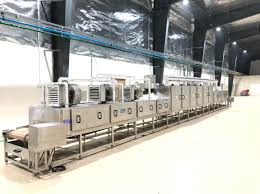
Why the Textile Industry is Choosing Microwave Drying
The present-day textile manufacturers are under continuous pressure to produce a greater number of products with a high quality. Each minute saved in the processing can enhance productivity and manufacturing cost.
Traditional drying methods also tend to be bottlenecks in production as they need long drying times. The microwave drying technology solves this problem by providing a considerable reduction in drying time.
Less energy is used to heat air or machine parts around the textile because microwave energy is primarily absorbed by the moisture content within the textile. Drying process speeds up, efficiency increases and it is easier to control.
If you are a manufacturer aiming at modernization of drying processes, you should learn about Industrial Microwave Drying Systems to understand how industrial microwave technology is transforming manufacturing processes.
Better Drying Means Better Fabric Quality
Drying is more than simply removing water. It affects the finished cloth in a direct way, and influences its appearance, texture, strength and overall quality.
If the drying process doesn't occur evenly, manufacturers could face issues like:
Fabric shrinkage
Uneven moisture content
Color variation
Surface damage
Inconsistent finishing
Reduced product quality
The uniform removal of moisture throughout the material is a benefit of using microwave drying to overcome these challenges.
This uniform heating results in maintaining the characteristics of the material, and also to reducing defects that may be produced from the conventional drying.
Consistent fabric quality is crucial for manufacturers making high-end products or technical fabrics, and microwave drying offers the precision that guarantees it.
Applications in Textile Manufacturing
Microwave drying is suitable for a wide variety of textile processes and materials.
It is commonly used after:
Fabric washing
Dyeing operations
Textile printing
Chemical finishing
Coating processes
Yarn drying
Non-woven fabric production
The technology can be applied to cotton, polyester, blended fabrics, wool, technical textiles, and specialty materials.
Because microwave systems can be adjusted for different moisture levels and fabric types, they offer flexibility for manufacturers handling multiple product lines.
This adaptability makes microwave drying valuable for both medium-sized production facilities and large-scale textile plants.
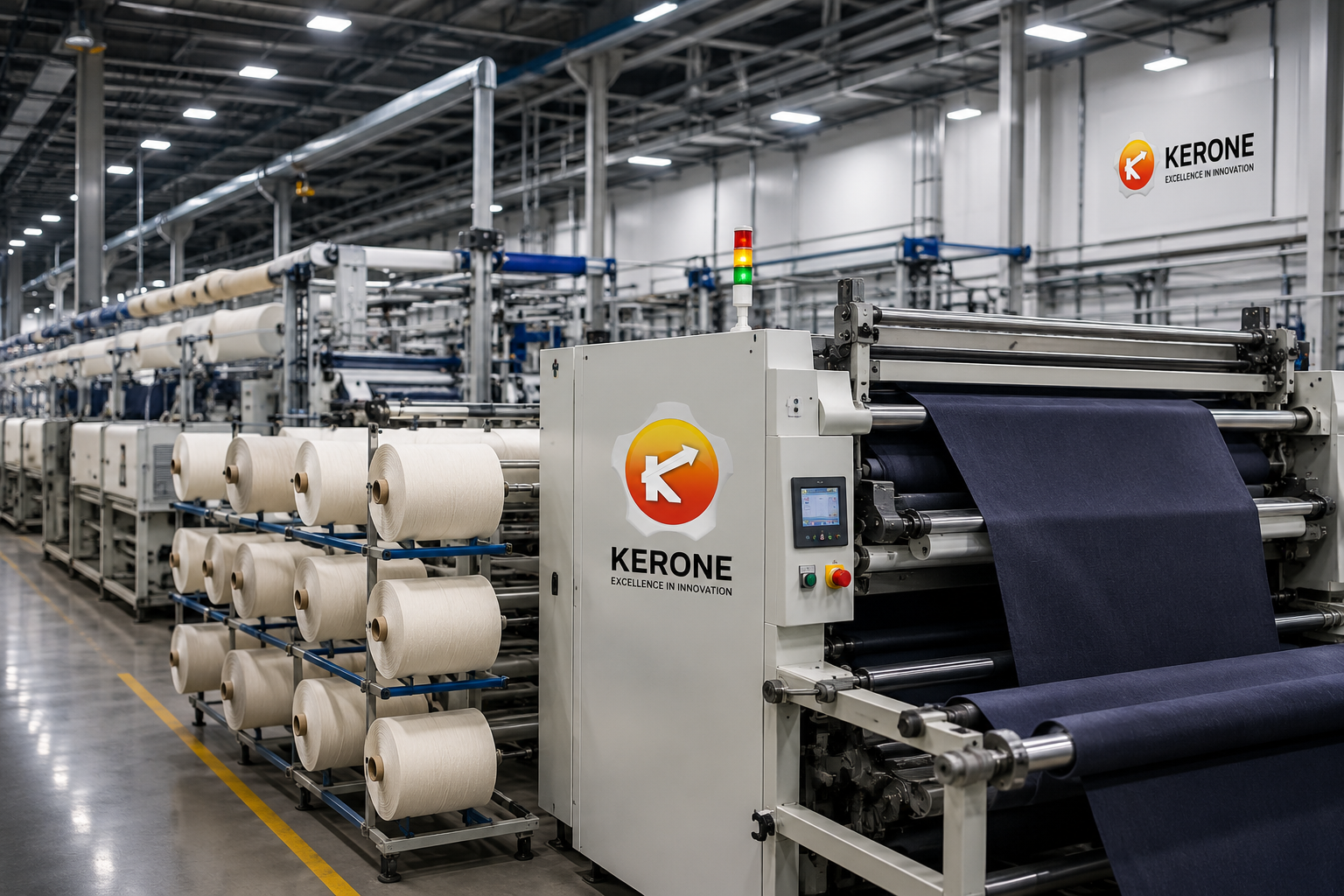
Reducing Energy Consumption
Energy costs continue to rise, making efficiency a top priority for textile manufacturers worldwide.
Traditional drying systems often lose a considerable amount of heat to the surrounding environment. Microwave drying is different because most of the energy is used directly for moisture removal.
This improves overall energy utilization and reduces unnecessary heat loss.
Some of the key advantages include:
Lower electricity or fuel consumption
Reduced production costs
Faster processing cycles
Better utilization of equipment
Lower environmental impact
These benefits support sustainability initiatives while helping manufacturers remain competitive in today's market.
Organizations such as AIMHHA continue to promote awareness and innovation in industrial microwave heating technologies across different industries.
Supporting Smart Manufacturing
Modern textile factories are increasingly adopting automation and digital process control. Microwave drying systems can easily be integrated into automated production lines, allowing manufacturers to monitor and adjust drying conditions in real time.
Advanced systems can automatically regulate microwave power, temperature, and moisture levels based on production requirements.
This improves process consistency while reducing manual intervention and minimizing production errors.
Better control also means less fabric waste, fewer rejected batches, and more reliable product quality.
Companies interested in industrial microwave innovation can learn more through the Kerone Research & Development Centre where advanced microwave technologies are continuously developed for industrial applications.
The Future of Microwave Drying
As the textile industry continues to evolve, manufacturers are investing in technologies that improve productivity while reducing energy consumption and environmental impact.
Microwave drying aligns perfectly with these goals.
Its ability to deliver fast, uniform, and energy-efficient drying makes it an attractive solution for modern textile production.
With growing demand for technical textiles, sustainable manufacturing, and higher production efficiency, microwave drying is expected to become an increasingly important technology in the years ahead.
Professionals interested in the latest developments in industrial microwave applications can also follow the work of the Association for Industrial Microwave Heating Applications which supports research, education, and industrial collaboration in microwave heating technologies.
Conclusion
Drying is one of the most important stages in textile manufacturing, influencing everything from production speed to fabric quality. While traditional drying methods have supported the industry for many years, the increasing demand for efficiency and sustainability is driving manufacturers toward more advanced technologies.
Microwave drying offers a practical solution by combining speed, precision, and energy efficiency in a single process. By heating moisture directly within the fabric, it reduces drying time, improves product consistency, lowers energy consumption, and supports modern automated manufacturing.
As textile manufacturers continue to adopt smarter production technologies, microwave drying is becoming more than just an alternative-it is emerging as a reliable and future-ready solution for high-quality textile processing. Businesses that invest in this technology today will be better equipped to improve productivity, reduce operating costs, and meet the growing expectations of customers in a highly competitive global market.
Comments
Log in or sign up to join the conversation.