

Introduction
The retail industry is undergoing a major digital transformation as consumers increasingly expect shopping experiences that are convenient, personalized, interactive, and immersive. The emergence of the metaverse is introducing a new dimension to this transformation by allowing retailers to blend virtual environments with traditional shopping experiences. Through technologies such as augmented reality (AR), virtual reality (VR), mixed reality, blockchain, artificial intelligence, and three-dimensional content, brands can create digital spaces where customers can discover, evaluate, interact with, and purchase products.
According to TechSci Research report, “Metaverse in Retail Market – Global Industry Size, Share, Trends, Opportunity, and Forecast, 2021-2031F”, The Global Metaverse in Retail Market is projected to grow from USD 33.79 Billion in 2025 to USD 341.51 Billion by 2031 at a 47.04% CAGR.
The growing use of online platforms for entertainment, gaming, education, networking, workplace collaboration, media consumption, and other activities is strengthening consumer familiarity with digital environments. At the same time, rising interest in NFTs, blockchain, AR, VR, and digital commodities is creating new opportunities for retailers to establish virtual storefronts and develop entirely new product categories.
The convergence of extended reality with AI, cloud computing, and 3D technologies is further improving the capabilities of metaverse-based retail environments. As hardware becomes more accessible and graphics technology advances, retailers can deliver increasingly realistic experiences without requiring consumers to visit physical stores.
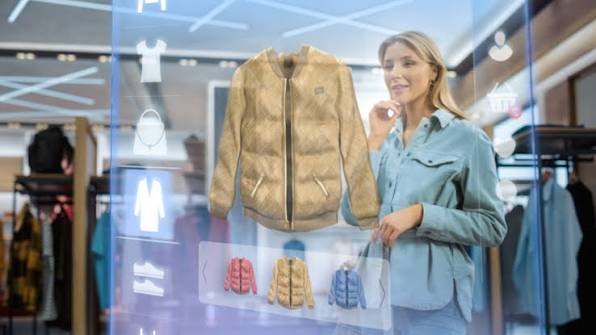
Industry Key Highlights
The Global Metaverse in Retail Market is projected to increase from USD 33.79 billion in 2025 to USD 341.51 billion by 2031.
The market is expected to record a 47.04% CAGR between 2025 and 2031.
Increasing consumer interest in immersive online experiences is supporting the development of virtual retail environments.
AR, VR, mixed reality, blockchain, NFTs, AI, cloud computing, and 3D technologies are key technologies shaping the market.
Retailers are using metaverse environments to connect physical and digital shopping experiences through an omnichannel approach.
Virtual stores can recreate elements of physical shopping, including product visualization, personalized interaction, demonstrations, and social engagement.
Digital fashion, virtual collectibles, gaming merchandise, and other digital commodities are creating additional revenue opportunities.
Privacy, transparency, interoperability, and regulatory compliance remain important challenges for market participants.
Leading technology companies and global retail brands are investing in metaverse platforms, virtual products, immersive advertising, and digital customer experiences.
Request For Sample Copy of Report For More Detailed Market insight
Main Drivers
Growing Demand for Virtual Shopping
One of the strongest factors supporting the metaverse in retail market is consumers' increasing interest in shopping from the comfort of their homes while still experiencing interactive product discovery.
Traditional online shopping generally depends on photographs, videos, product descriptions, and reviews. Metaverse-based retail can add a three-dimensional layer, allowing consumers to explore virtual stores, examine products from different perspectives, interact with digital representatives, and participate in immersive experiences.
This combination of convenience and engagement is encouraging retailers to experiment with virtual commerce.
Expansion of Omnichannel Retail
Retailers are increasingly combining physical stores, websites, mobile applications, social platforms, and digital marketplaces into unified customer journeys. The metaverse provides another channel through which brands can connect with customers.
Virtual showrooms can complement physical stores by allowing customers to explore products digitally before visiting a store. Similarly, customers can use AR applications to visualize furniture, apparel, accessories, or other products in their surroundings.
The ability to connect physical and virtual retail experiences is making metaverse technology particularly relevant to omnichannel strategies.
Increasing Adoption of AR and VR
Advancements in AR and VR hardware are improving the quality of immersive retail experiences. AR can overlay digital products or information onto the physical environment, while VR can place users inside fully simulated retail spaces.
Retailers can use these technologies for virtual try-ons, product demonstrations, interactive showrooms, gaming experiences, and branded events. As devices and software platforms become more sophisticated, the range of possible applications continues to expand.
Growth of Digital Assets and NFTs
Blockchain technology has created new possibilities for digital ownership. NFTs and blockchain-based assets can allow brands to offer virtual collectibles, digital fashion, gaming items, and other products with verifiable ownership.
The growing popularity of digital commodities is encouraging fashion, entertainment, sports, gaming, and lifestyle brands to explore virtual product strategies. These initiatives can generate new engagement opportunities while introducing consumers to alternative forms of brand ownership.
Increasing Focus on Customer Engagement
Retail competition extends beyond product pricing. Brands also compete through customer experience, loyalty, personalization, community building, and engagement.
The metaverse can create environments where customers interact with brands rather than simply viewing product listings. Virtual events, digital communities, interactive product launches, and immersive campaigns can help retailers build stronger relationships with digitally oriented consumers.
Emerging Trends
AI-Powered Personalization
Artificial intelligence is expected to play an increasingly important role in virtual retail. AI can analyze customer behavior and preferences to support personalized product recommendations, virtual assistants, targeted promotions, and adaptive shopping experiences.
Combining AI with digital identities can allow retailers to develop more individualized interactions across virtual environments.
Virtual Showrooms and Stores
Brands are increasingly experimenting with digital stores that replicate or expand upon physical retail environments. Virtual showrooms can allow customers to browse products, interact with displays, attend launches, and explore collections without being physically present.
These environments can also remove some of the spatial limitations associated with traditional stores.
Digital Fashion and Virtual Products
Digital fashion is emerging as an important application of metaverse commerce. Consumers can purchase virtual clothing, accessories, avatars, collectibles, and other digital goods for use across online platforms.
The growing intersection between gaming, social media, fashion, and virtual identities is creating new opportunities for brands to monetize digital products.
Immersive Advertising
Advertising is moving beyond conventional banners and videos toward interactive digital environments. Metaverse platforms can allow consumers to encounter products through virtual events, branded spaces, games, and interactive experiences.
This can create opportunities for brands to measure engagement through digital interactions rather than relying solely on conventional advertising metrics.
Interoperability and Digital Identity
As multiple virtual platforms develop, interoperability is becoming increasingly important. Consumers may want digital identities, assets, or purchases to work across different environments.
However, differences between platforms, technologies, standards, and ownership systems can make interoperability difficult. Developing compatible ecosystems will remain an important consideration for the long-term development of metaverse retail.
Privacy and Regulatory Considerations
The expansion of digital identities, behavioral tracking, biometric technologies, and blockchain-based transactions introduces significant privacy considerations. Retailers need to balance personalization with responsible data management.
Different countries may also introduce varying regulations related to digital assets, consumer protection, data privacy, and virtual commerce. Compliance will therefore remain an important factor in market development.
Real-World Use Cases
Fashion and Apparel
Fashion brands can use virtual environments to display collections, conduct digital launches, create avatar clothing, and offer virtual try-on experiences. Customers can explore products digitally before purchasing physical or virtual items.
The metaverse can therefore extend fashion brands beyond conventional retail channels and create new forms of brand interaction.
Furniture and Home Décor
Virtual retail environments can help customers visualize furniture and household products before making a purchase. AR can allow consumers to see how a sofa, table, lighting fixture, or decorative product may look within their homes.
Virtual showrooms can further allow retailers to demonstrate multiple room configurations without maintaining extensive physical displays.
Automotive Retail
Automobile manufacturers and dealerships can develop virtual showrooms where customers explore vehicle models, customize specifications, examine interiors, and experience digital test-drive environments.
This can supplement conventional dealership experiences while allowing manufacturers to reach customers through digital channels.
Gaming and Entertainment
Gaming is one of the strongest environments for metaverse retail because players already interact with virtual worlds and digital assets. Brands can introduce branded clothing, accessories, collectibles, and experiences inside games.
Burberry's virtual strategy demonstrates this intersection. In 2021, the company designed two outfits featuring its branding for characters in the popular game Honor of Kings, bringing a luxury fashion brand into a gaming environment.
Digital Luxury Goods
Luxury brands have also experimented with virtual exhibitions and digital collectibles. In 2021, Gucci created Gucci Garden, a virtual art and brand experience developed to celebrate its 100th anniversary.
Following the initiative, digital products associated with the brand attracted substantial attention. A virtual handbag that was initially associated with the experience was later resold for USD 25,000, demonstrating the potential value consumers may place on digital luxury products.
Digital Sneakers and Collectibles
Nike expanded its presence in digital commerce through the acquisition of RTFKT, a company known for digital collectibles and virtual sneakers. Some digital sneakers associated with this market have reached prices of approximately USD 70,000 per pair.
Nike has also pursued trademark applications related to digital goods, reflecting the potential long-term intersection between intellectual property, virtual products, and retail.
Competitive Analysis
The Global Metaverse in Retail Market includes major technology companies, platform providers, gaming organizations, retailers, sportswear brands, and companies developing digital environments and virtual assets.
Key market players include Meta Platforms, Inc., Microsoft Corporation, NVIDIA Corporation, Snap Inc., Unity Software Inc., Roblox Corporation, Alibaba Group Holding Limited, Walmart Inc., Nike, Inc., and Decentraland Foundation.
Customers can also request 10% free customization on this report.
Segmentation
The Global Metaverse in Retail Market can be segmented based on product, platform, technology, end-use type, and region.
By Product
Hardware
Software
Services
By Hardware
Displays
Extended Reality (XR) Hardware
AR/VR Headsets
By Extended Reality Hardware
Haptic Sensors & Devices
Omni Treadmills
Smart Glasses
By Software
Asset Creation Tools
Programming Engines
Software tools are essential for developing three-dimensional environments, digital assets, interactive experiences, and virtual retail applications.
By Platform
Desktop
Mobile
Headsets
The availability of metaverse experiences across multiple platforms allows retailers to reach consumers with different levels of hardware access and digital engagement.
By Technology
Blockchain
AR & VR
Mixed Reality
Others
Blockchain supports digital ownership and transactions, while AR and VR provide immersive interaction. Mixed reality combines digital content with physical surroundings to create hybrid experiences.
By End-Use Type
Food and Beverages
Personal and Household Care
Apparel, Footwear and Accessories
Furniture
Toys and Hobby
Electronic and Household Appliances
Others
Apparel, footwear, furniture, gaming-related products, and consumer electronics represent areas where immersive visualization and digital experiences can offer significant value.
Frequently Asked Questions
1. What is the size of the Global Metaverse in Retail Market?
The Global Metaverse in Retail Market is projected to grow from USD 33.79 billion in 2025 to USD 341.51 billion by 2031.
2. What is the CAGR of the Metaverse in Retail Market?
The global market is expected to register a 47.04% CAGR between 2025 and 2031.
3. What technologies are driving the Metaverse in Retail Market?
Major technologies include artificial intelligence, augmented reality, virtual reality, mixed reality, blockchain, cloud computing, 3D technologies, and digital identity solutions.
4. How is the metaverse transforming retail?
The metaverse is enabling retailers to create virtual stores, immersive product demonstrations, digital showrooms, virtual try-ons, interactive advertising, digital collectibles, and personalized shopping experiences, helping bridge the gap between physical and online retail.
Contact US:
Techsci Research LLC
420 Lexington Avenue, Suite 300,
New York, United States- 10170
Tel: +13322586602
Email: [email protected]
Comments
Log in or sign up to join the conversation.