

Medieval fashion continues to influence modern clothing, costumes, reenactment outfits, and fantasy-inspired styles. Flowing silhouettes, layered garments, fitted bodices, long skirts, and decorative details have become recognizable elements of modern historical-inspired fashion.
Whether someone is preparing for a Renaissance fair, LARP event, cosplay, theatrical performance, themed wedding, or simply enjoys historical fashion, understanding the basic elements of Medieval Clothing can make it easier to create a convincing outfit.

What Makes Medieval Clothing Distinctive?
Medieval Clothing covers a broad range of styles rather than one single type of outfit. Clothing changed considerably across different periods, regions, and social classes. Modern historical-inspired fashion often combines elements from medieval and Renaissance styles to create wearable outfits.
Long silhouettes, flowing fabrics, layered garments, belts, lacing, and textured materials are commonly used in modern medieval-inspired designs. Colors can also contribute to the overall character of an outfit, with deep greens, burgundy, navy, brown, cream, and other earthy shades often appearing in historical-inspired fashion.
For modern wearers, the focus is usually on capturing the atmosphere and visual character of medieval fashion while maintaining comfort and practicality.
The Role of the Medieval Shirt
A medieval shirt is a useful foundation for many historical-inspired outfits. Loose-fitting shirts can be worn with trousers, skirts, vests, waistcoats, bodices, or outer layers.
For a simple medieval-inspired appearance, a loose shirt can be combined with darker trousers, a leather-style belt, and boots. For a Renaissance-inspired outfit, it can be layered under a vest or worn with a more structured pair of trousers.
Shirts can also be used in women's historical-inspired outfits. A chemise or loose shirt can form part of a layered look underneath a bodice or dress.
The versatility of the medieval shirt makes it useful beyond strictly historical costumes. It can work for festivals, theatre, cosplay, LARP, and Renaissance fairs where character and overall styling are important.
Medieval Dress Styles for Women
Among historical-inspired fashion, the medieval dress remains one of the most recognizable choices for women. Modern designs often feature long skirts, fitted or laced bodices, flowing sleeves, and layered silhouettes.
There is considerable variety when exploring medieval dresses women can wear today. Some designs have a simple peasant-inspired appearance, while others are influenced by noble gowns, Renaissance fashion, fantasy characters, or romantic countryside styles.
Peasant-Inspired Dresses
Peasant-inspired dresses generally have a simpler and more relaxed appearance. Natural colors, flowing skirts, and straightforward silhouettes can create a rustic historical aesthetic.
These styles are particularly suitable for characters such as villagers, travelers, healers, or countryside-inspired personas.
Noble and Elegant Gowns
More elaborate gowns can create the appearance of a noble or royal character. Rich colors, decorative details, layered skirts, and structured bodices can give these dresses a more formal appearance.
These styles can be suitable for themed weddings, theatre, Renaissance fairs, and fantasy events.
Fantasy-Inspired Medieval Dresses
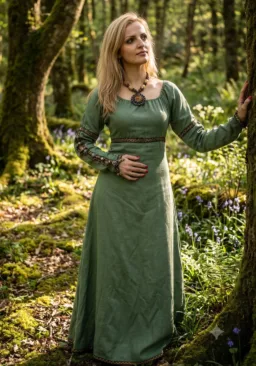
Modern medieval fashion is also closely connected with fantasy. Forest-inspired dresses, dramatic colors, flowing skirts, and distinctive sleeves can be used to create characters that are inspired by medieval legends and fantasy worlds.
The Women’s Medieval Forest Princess Dress – Green, for example, uses a forest-inspired concept that fits naturally into fantasy and medieval-themed styling.
How to Choose Medieval Dresses Women Can Wear Today
When selecting medieval dresses women can wear for an event, consider more than just appearance. The purpose of the outfit should influence the style, fabric, silhouette, and accessories.
For a Renaissance fair, a flowing gown with a historical-inspired silhouette may work well. For LARP or cosplay, the character's role can determine whether a peasant dress, noble gown, or fantasy-inspired design is more appropriate.
Comfort is also important. Events such as fairs and festivals may involve several hours of walking, so freedom of movement and practical construction can make a significant difference.
Renaissance Influence on Medieval Fashion
Medieval and Renaissance fashion are often discussed together in modern clothing because many contemporary designs draw inspiration from both periods.
The Women’s Renaissance Fleur de Lis Dress – Burgundy, for example, combines a decorative Renaissance influence with the long, elegant silhouette associated with historical-inspired dresses.
Other designs, such as the Women’s Renaissance Mystic Voyage Dress, offer another interpretation of Renaissance-inspired women's fashion.
This overlap allows modern shoppers to build outfits that feel historical without being restricted to one exact period.
Styling a Medieval Outfit
A complete historical-inspired outfit is usually created through layers rather than a single garment.
A women's medieval dress can be styled with:
A simple belt or waist accessory
A cloak or shawl
Historical-inspired boots
A bodice or layered garment
Simple jewelry
A period-inspired hairstyle
For men, a medieval shirt can be paired with:
Renaissance or medieval trousers
A vest or waistcoat
A leather-style belt
Boots
A cloak or coat
Simple historical-inspired accessories
The most effective approach is to make sure the individual pieces share similar colors, textures, and overall styling.
Medieval Fashion for Renaissance Fairs and Events
Renaissance fairs and historical festivals have helped maintain interest in historical-inspired clothing. Visitors can choose anything from simple peasant-inspired outfits to elaborate fantasy and noble costumes.
A medieval dress can be especially useful for creating a recognizable character without requiring excessive accessories. Similarly, a medieval shirt combined with trousers and a vest can create a complete men's historical-inspired outfit.
These garments are also commonly adapted for LARP, cosplay, theatre, themed parties, and other events where visual storytelling is part of the experience.
Exploring Modern Medieval Fashion
Modern Medieval Clothing should generally be viewed as historical-inspired fashion rather than an exact representation of clothing worn by everyone during the Middle Ages. Historical clothing varied according to location, period, occupation, wealth, and social position.
This distinction is useful when shopping for modern medieval-inspired clothing. Someone attending a fantasy event may prioritize character design, while someone participating in a historical reenactment may focus more closely on a particular period and region.
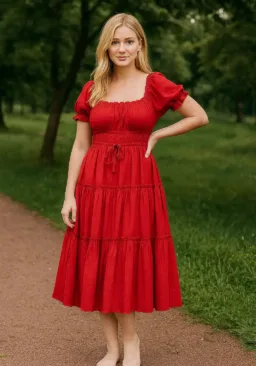
Collections such as TudorDressing's medieval dresses and gowns bring together different interpretations, including medieval, Renaissance, peasant, Victorian, cottagecore, and fantasy-inspired designs. The collection includes styles such as the Women's Medieval Whispering Willow Dress, Women's Medieval High-Low Drawstring Dress, Women's Medieval Crepe Dress, and Women's Medieval Fair Lady Dress.
Final Thoughts
Medieval fashion remains popular because it offers more than a costume it provides a way to experiment with historical silhouettes, storytelling, character design, and personal style.
From the versatile medieval shirt to the flowing medieval dress, there are many ways to incorporate historical influences into modern outfits. When exploring medieval dresses women can wear today, consider the event, desired character, comfort, colors, and accessories to create a complete look.
Whether the goal is a Renaissance fair outfit, LARP character, cosplay costume, theatrical wardrobe, or simply an appreciation for historical-inspired fashion, Medieval Clothing provides a wide range of creative possibilities.
Comments
Log in or sign up to join the conversation.