
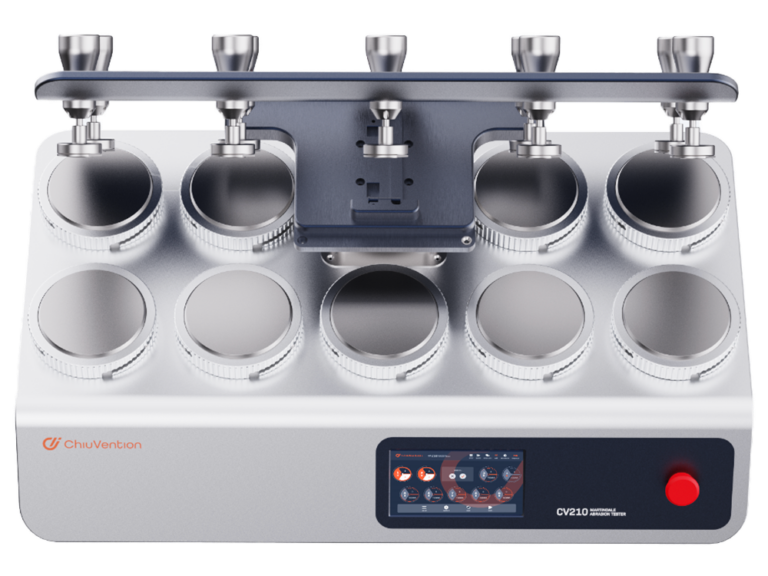
When it comes to ensuring textiles can withstand real-world use, few instruments are as trusted as the martindale abrasion and pilling tester. This machine mimics the natural wear and tear fabrics experience over time, from the friction of sitting on a sofa to the rubbing of bed sheets against skin. Unlike guesswork or basic hand tests, the Martindale method provides repeatable, lab-grade data that manufacturers rely on to certify durability. What makes it special is its unique motion: the tester rubs fabric samples in a Lissajous figure—a progressive, multi-directional pattern that closely replicates how materials actually degrade in daily life. For upholstery, apparel, and industrial textiles, this machine turns subjective ideas of “toughness” into measurable, actionable numbers.
How the Martindale Tester Simulates Real-World Wear
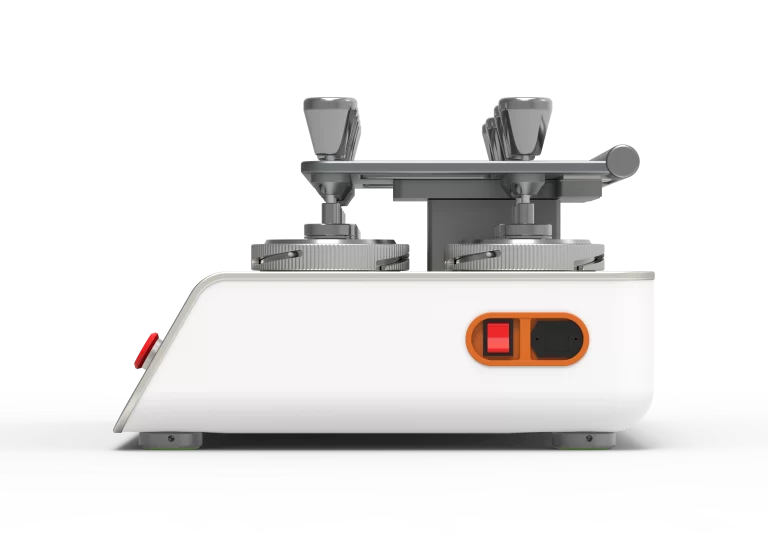
The secret behind this tester lies in its carefully engineered movement. Two sets of circular holders press fabric samples against standard abrasive surfaces, moving them in a figure-eight pattern that ensures every angle of the fabric is worn evenly. This motion isn’t random; it’s designed to replicate the complex rubbing actions of human movement, furniture use, or even luggage dragging against surfaces. Operators can set the machine to run for thousands of cycles, with automatic shutoff when a sample shows specified damage—like broken threads, color change, or fiber loss. By adjusting pressure and abrasive material, the tester can simulate everything from delicate silk linings to heavy-duty truck upholstery. This flexibility is why textile labs from Bangladesh to Birmingham keep a Martindale unit on their bench.
Breaking Down the Pilling Test: Why Fuzz Balls Matter
Pilling—those annoying little balls of fiber that form on sweaters, hoodies, and sofa cushions—is a top consumer complaint. The Martindale Tester excels at predicting this problem before production runs. During a pilling test, the machine rubs fabric against itself or a standard wool felt at a lower pressure than the abrasion test. After a set number of cycles (typically 1,000 to 7,000), technicians remove the sample and compare it to visual rating charts—from Grade 5 (no pilling) to Grade 1 (severe pilling). This data helps designers choose better yarn twists, tighter weaves, or anti-pilling finishes. For example, a polyester fleece that looks fine after one wash might pill heavily after 2,000 Martindale cycles, saving a brand from expensive returns and reputation damage.
Setting Up the Machine for Reliable Results
Accuracy begins with proper preparation. First, technicians cut circular fabric samples using a precision press—never scissors, which distort edges. They mount the specimen in the test holder with consistent tension using a clamping ring, then place it against the chosen abradant. Wool felt is standard for general wear, while wire mesh or emery paper is used for heavy-duty applications. Each station on the Martindale Tester can run independently, allowing multiple fabrics or different test parameters simultaneously. A critical step is adding standard felt backing and a 9 kPa or 12 kPa weight, depending on the fabric’s end use. Running the machine in a climate-controlled room (65% humidity and 70°F) is non-negotiable, as moisture and temperature dramatically affect fiber friction. Skipping these steps leads to false passes or fails.
Interpreting Test Results According to International Standards
The Martindale method isn’t a wild-west approach—it follows strict rules like ISO 12947 (for abrasion) and ISO 12945-2 (for pilling). Results are expressed as the number of cycles a fabric survives before reaching a defined failure point. For upholstery, a rating of 20,000 cycles might be fine for a spare bedroom chair, but heavy-traffic hotel lounge seating often requires 50,000 cycles or more. Apparel standards vary by garment type; workwear may demand 25,000 cycles against wire mesh, while a lightweight blouse passes at just 5,000 against felt. Laboratories report findings using clear pass/fail thresholds or raw cycle counts for quality control. Importantly, the Martindale test doesn’t just produce a number—it reveals failure modes, such as yarn slippage, coating delamination, or localized holes, giving engineers direct clues for improvement.
Comparing the Martindale to Other Abrasion Testers
While the Martindale dominates for flat fabrics, it’s not the only game in town. The Taber Abraser uses rotating abrasive wheels and works better on coated fabrics, leather, and rigid materials like flooring. The Wyzenbeak (or Oscillatory) tester is faster for heavy-duty webbing and conveyor belts but doesn’t replicate multi-directional wear as well. For knit garments, the Martindale is generally preferred because its figure-eight motion closely mimics elbow and knee friction. Meanwhile, the Stoll Quartermaster tester uses a flexing action to simulate creasing and abrasion together—ideal for shoe linings and work gloves. Knowing which tester to use saves time and money; for general textiles, furniture, and most clothing, the Martindale remains the gold standard because of its balance of realism, standardization, and repeatability.
Common Mistakes That Skew Test Accuracy
Even experienced labs can fall into traps. The most frequent error is over-testing—running a fabric past its real-world relevance. A denim that fails at 15,000 cycles might still outperform your customer’s needs, so always set a practical endpoint based on the intended application. Another pitfall is mixing test standards: using ISO 12947 sample sizes with ASTM D4966 backing felts voids comparability. Technicians sometimes forget to replace abrasive felts every test, causing artificially low durability readings. Additionally, testing only one direction (like warp vs. weft) when the fabric is anisotropic—like twill or sateen—gives incomplete data. Finally, ignoring specimen relaxation: fabrics that haven’t been preconditioned at standard humidity can shrink or swell mid-test, changing pressure and skewing results by hundreds of cycles. Keeping a detailed log of felt age, machine calibration dates, and room conditions prevents these issues.
How Industries Use Martindale Data to Improve Products
Beyond simple pass/fail labels, smart manufacturers use Martindale results to refine their processes. A bedding company might discover that a 40% cotton, 60% polyester blend pills less at 3,000 cycles than a 50/50 blend due to fiber length differences. An outdoor gear brand could compare two water-repellent finishes on the same nylon fabric, finding that one lasts twice as long under abrasion before flaking off. Automotive suppliers rely on Martindale tests to validate seat fabrics against seatbelt rubbing and child-seat installation friction. Even luxury woolen mills use the tester to fine-tune their finishing treatments, balancing softness against durability. In short, the Martindale Abrasion and Pilling Tester isn’t just a quality checkpoint—it’s a diagnostic tool that turns wear into wisdom, helping textile engineers build products that truly last where it counts.
Comments
Log in or sign up to join the conversation.