

The endless political headlines from the news tape continue to overload markets. The politicization of GDP and the FOMC and the FX markets didn’t stop last week and seem unlikely to end with July.
While many would like to say the blood moon lunar eclipse was a once in the century story, ongoing strife on earth rotates forward. The Trump tweets threatening a government shutdown into the US mid-term elections add another layer of spice to the summer heat.
The biggest two stories from last week are likely to remain in play next – with US Trump’s willingness to deal with the EU on trade likely setting a similar path for NAFTA in August. The US GDP in 2Q at 4.1% allows the US room to push back on China and not deal. This is the overloaded circuit breaker for trading as CNY weakness drives fears of more awkward capital flows with risks to US Treasuries, US real estate and US supply chains in technology and cars. The CNY appears to be the escape value for Beijing with the hedging opening the 7.0 CNY line again.
The costs of US deal making to credibility and diplomacy are not known or easily priced leaving that uncertainty for another rainy day. Until then we are in the month-end mode for July where risk rotations and set ups for August and September noise become real.
The shift of risk back to USD this last week was notable and at odds with the shove up in emerging market equities and FX. This seems linked to the FOMC meeting next week and the ongoing US rate hike regime. Higher real growth in the US means higher real rates. This still may overload the money flows elsewhere even with US trade deal hopes driving commodities and risk moods higher. Balancing economics, politics and positions in the last month of summer trading seems less simple and more wrought with fear than usual. Usually, higher uncertainty begets higher volatility – that didn’t work out last week in FX but maybe that is the opportunity for August.
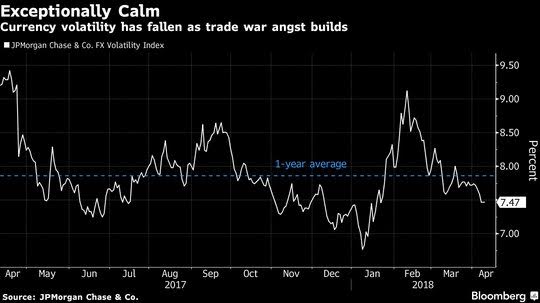
Question for the Week Ahead: Are rates back in the driver’s seat?
The BOJ, FOMC and BOE meetings are likely to leave the next week important turning points for policy. The focus on geopolitical concerns like US trade war risks, North Korea and Iran peace deals, populist politics and a new world order arising from all of this remains in play but less likely to dominate markets for the next few weeks given the central bank meetings and heavy dose of economic data. The role of policy on the shape of the yield curve and what that means for growth going forward isn’t going to go away like a summer vacation.
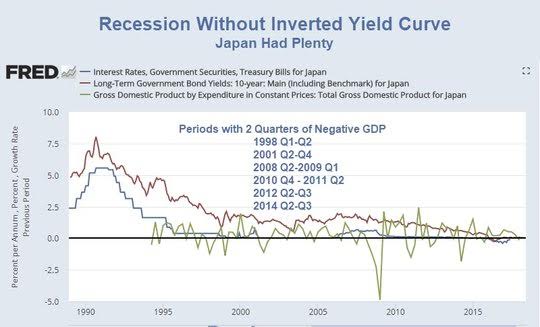
The US normalization process is approaching neutrality. The US PCE core prices next week will be important accordingly. The FOMC response to 4.1% GDP and the ongoing trade noise will also be critical as the reaction function of the Powell Fed is untried and less understood. The risk of a more hawkish Fed response to higher inflation doesn’t appear to be fully priced.
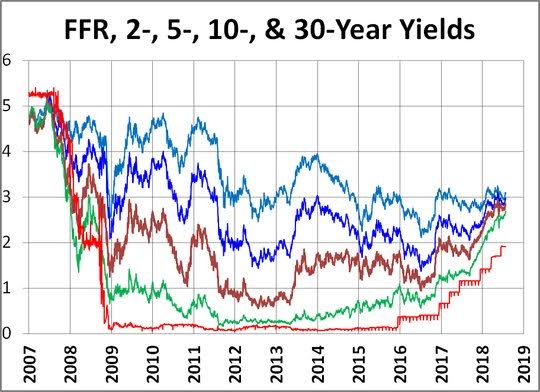
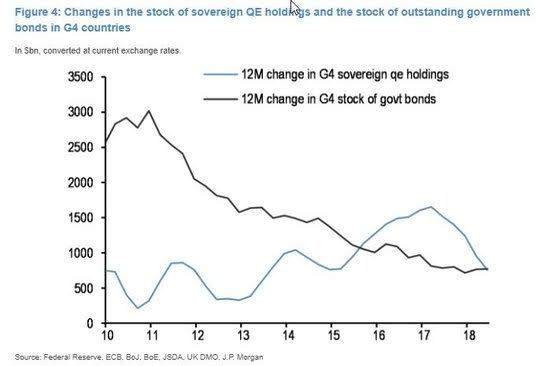
The BOJ risk is also for higher rates – as they try to mitigate the pain on banks. They also need to create a credible way to change policy when the QE and negative rates and ETF buying don’t appear to have the same effect now as previously. The role of the JPY and Nikkei in the debate also matters with JPY at a cross roads for “bad” inflation returning and impeding growth. A stronger JPY could help while an even steeper curve will support banks’ profits.
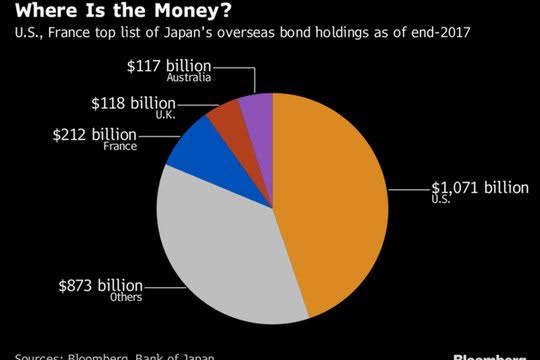
The BOE has a credibility problem should they skip out on a rate hike as its 90% priced and the rise of 2Q growth. The PMI data this week will matter in the context of how many more hikes the BOE can have. There is also the problem of QE and ending it, along with the need to shrink back the balance sheet. This problem like that of the FOMC will require even more forward guidance and credibility.
Market Recap
US political focus this week past – with Iran/US bellicose comments starting the week. On Wednesday, President Donald Trump and European Commission President Jean-Claude Juncker announced plans to negotiate the elimination of tariffs on non-auto industrial goods, as well as a European promise to increase imports of U.S. soybeans. Also, the EU and Japan signed a broad free-trade deal. This sparked homes for other deals with NAFTA, and even with Iran but not China.
Chinese regulators refused to grant approval to the proposed merger of U.S. semiconductor maker Qualcomm and Dutch competitor NXP, a move that many observers expect will prompt retaliation from the US.China also pushed a stimulus package to spur growth after the data from June disappointed. Europe was also about the ECB which didn’t say much other than push the focus to September. The US economic data was supportive for risk.
The 2Q GDP rose 4.1% in line with expectations. The surprise was 1% drag on growth from inventories shrinking, suggesting 3Q growth is likely as stocks return to normal.
In EM, the Turkey central bank held rates unchanged and sent the currency lower as most investors see inflation unchecked and the government adding to the problem.
Equities
The MSCI all-country World index rose 0.94% on the week. The MSCI EM index bounced up 2.08% on the week. Trade deal hopes and earnings dominated the week. Facebook vs. Amazon in the US were the contrast with FB down 19% losing $120 billion in market cap setting a new record for pain. Banks, autos and oil companies as well all drove headlines.
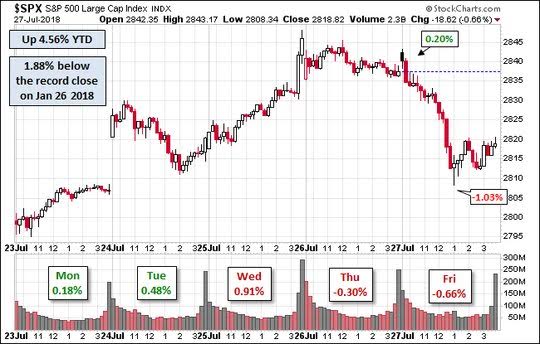
- The S&P500 rose 0.61% to 2,818.82 on the week with Wednesday highs tempered on earnings, with 53% of the S&P500 reporting 2Q, 83% beat earnings and 77% beat revenue expectations. The DJIA rose 1.57% to 25,451.06 on the week. The NASDAQ fell 1.06% to 7,737.42 on the week. The Cboe VIX index rose 1.32% to 13.03% up 0.17pp on the week.
- The Stoxx Europe 600 rose 1.68% to 392.08 on the week. Earnings and trade drove the week - so far this earnings season, about 56% of STOXX 600 companies surpassed earnings-per-share estimates. The German DAX rose 2.38% to 12,860.40 on the week – up 4.5% on the month. The UK FTSE rose 0.29% to 7,663.17 on the week and 0.84% on the month. The French CAC40 rose 2.10% on the week and 3.5% on the month. The Italian FTSE MIB rose 0.74% to 21,955.08 on the week.
- The MSCI Asia Pacific Index rose 1.74% to 168.78 on the week – The Japan Nikkei was up 0.07% to 22,172.75 on the week – despite JPY and rate moves. China Shanghai Composite rose 1.57% to 2,873.59 on the week. The Hong Kong Hang Seng rose 2.05% to 28,804.28 on the week. The Korea Kospi rose 0.25% to 2,292.33 on the week. The Australian ASX All Ords rose 0.22% to 6,391.5 on the week and the India Nifty50 rose 2.44% to 11,278.35 on the week.
Fixed Income
The forces of bear flattening vs. steepening dominated the week with focus on US GDP and US trade policy leading to some idea of more hikes but less inflation while Japan BOJ policy focus is on potential shifts leading to higher long-end rates. The equity mood added to pressure on bonds globally while politics remained simmering for Italy, UK and the US. The US auctions went well and suggest that many investors see higher rates as a balance against equities.
- US bonds see bear flattening trade with focus on FOMC/August supply next - For the week: 2Y up 8bps to 2.669%, 3Y up 9.5bps to 2.76%, 5Y up 8bps to 2.839%, 10Y up 6bps to 2.954%, 30Y up 6bps to 3.082%
- Canadian 10-year bond yields rise 12bps to 2.294% on the week – BOC hikes, data, less trade doubts.
- Japan 10-year JGB yields rise 6bps to 0.095% on the week with BOJ key focus and 0.10% and 0.11% fixed rate buying capping for now.
- Australian 10-year bond yields up 2bps to 2.64% on week with mixed data and China doubts key.
- UK Gilt yields up 4.8bps to 1.278% on the week – Brexit still focus, BOE next key with 25bps priced.
- German Bund yields up 3.3bps to 0.40% on the week – Draghi upbeat, ECB still lags but September meeting key
- French OAT yields up 2bps to 0.695% on the week – Macron bodyguard and mixed data.
- Italian BTP yields up 15.5bps to 2.735% on the week – unwinding some carry as politics remain fragile, focus on data next.
- Spanish Bono yields up 6bps to 1.365% on the week – tracking Italy and watching politics again.
- Portugal 10-year bond yields off 6bps to 1.705% on the week – gaining on growth, carry.
- Greek 10-year bond yields off 3bps to 3.795% on the week – Athens wildfire tragedy and summer boom
Foreign Exchange
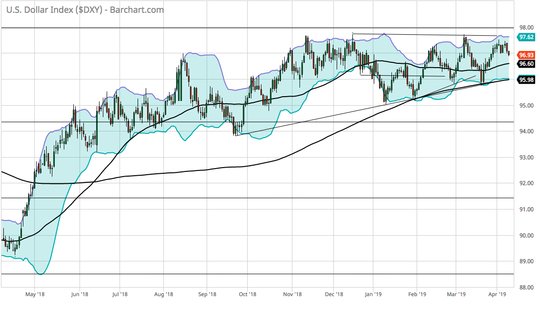
The US dollar index rose 0.2% to 94.67 on the week. In EM FX was USD offered except for China and Turkey: LATAM: MXN up 2.1% to 18.618, BRL up 1.5% to 3.7135; ASIA: CNY off 0.65% to 6.8095, KRW up 1.1% to 1118.10, INR up 0.2% to 68.697; EMEA: RUB up 1.1% to 62.778, ZAR up 1.7% to 13.164, TRY off 1.15% to 4.8470. In Crypto Currencies – hope for a Bitcoin ETF and regulatory clarity inspired a rally – BTC up 9.9% to 8,195 with futures up 11.5%, ETH flat at $464
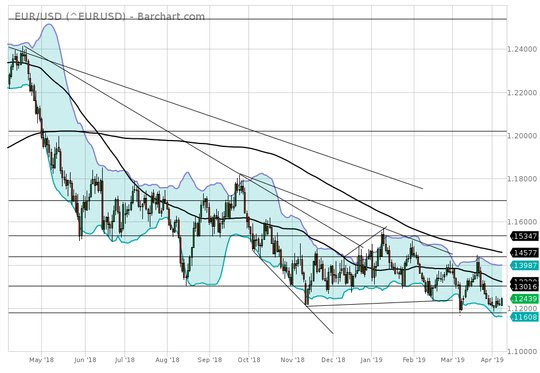
- EUR: 1.1655 off 0.6% on the week with ECB not hawkish and rates still supporting USD, but risk mood and focus on trade still important 1.1580-1.1780 consolidation.
- JPY: 111.05 off 0.35% on the week and EUR/JPY 129.50 off 0.95% on the week with focus on BOJ next and rate spreads/growth/equity risk mood with Abe politics simmering as well 110.50-112 keys.
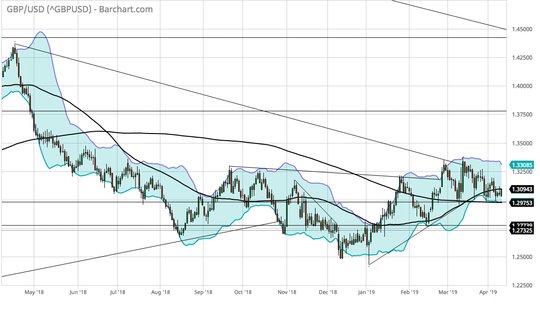
- GBP: 1.3105 off 0.3% on the week and EUR/GBP .8900 off 0.35% on the week – BOE next driver as Brexit takes a holiday. 1.30-1.33 stuck.
- CHF: .9945 up 0.2% on the week and EUR/CHF 1.1590 off 0.4% with Italy and BOJ part of the story but 1.00 still central for USD trading.
- AUD: .7400 off 0.25% on the week and NZD .6785 off 0.35% on the week. Commodities up and EM up but China, worries about growth, rates on hold leave A$ .73-.75 range bound.
- CAD: 1.3055 off 0.7% on the week with focus on NAFTA hopes and 1.30 pivot for 1.2880 again against 1.32 resistance – BOC and rates still important.
Commodities
The S&P/GSCI total return index rose 1.6% to 2720.40 on the week. Trade hopes drive with Palladium and Wheat leading winners coupled with oil jitters around Iran/US war and deal talks. Lumber hit on housing data and NAFTA talk hopes.
- Oil: $68.69 up 0.64% on the week (Sep). Brent up 1.65% to $74.29 (Sep). Mixed week with bounce up on Iran/US war talk, moderated by US trade hopes, supported by US crude draw.
- Gold: $1223 off 0.6% on the week. Stuck with $1216-$1236 range watching USD. Silver off 0.35% to $15.493. Palladium rose 3.3% to $91850 on the week with less auto tariff fears key. Platinum up 0.3% to $831.70.
- Corn: $362.00 up 1.9% on the week (Sep). Trade hopes drove grains up. Soybeans $870.40 up 2.44%. Wheat up 2.8% to $530.40 on the week.
- Copper: $2.8420 up 2.4% on the week, Futures $2.8020 up 1.7% (Sep) – up on China stimulus hopes, equity correlation. The Iron Ore $67.75 up 4.75% (Aug).
Calendar for the Week Ahead
The week ahead has the BOJ, FOMC and BOE decisions, global PMI reports and US jobs. It also brings plenty of EM rate decisions from India to Brazil to Mexico. Rate policy reactions to volatility, trade uncertainty, growth and inflation all are under the microscope.The sense of economic news mattering again is important – and there is plenty of it to consider in the week ahead from all parts of the world.
Monday, July 30: Japan retail sales, flash German/Spanish CPI, Eurozone Econ Sentiment
- 0750 pm Japan June retail sales (m/m) -1.7%p 0.1%e (y/y) 0.6%p 1.6%e
- 0300 am Spain July flash HICP (y/y) 2.3%p 2.4%e
- 0300 am Swiss July KOF LEI 101.7p 101.0e
- 0330 am Sweden 2Q preliminary GDP (q/q) 0.7%p 0.5%e (y/y) 3.3%p 2.6%e
- 0430 am UK June BOE m4 (m/m) +0.4%p 0.4%e / Mortgage approvals 64,526p 65,500e / Cons Credit GBP1.405b p GBP1.3b e
- 0500 am Eurozone July Economic Sentiment 112.3p 112.0e / Business climate 1.39p 1.40e
- 0545 am Italy sells 5-10Y BTP
- 0800 am German July flash HICP (y/y) 2.1%p 2.1%e / CPI (m/m) 0.1%p 0.4%e
- 1000 am US June pending home sales (m/m) -0.5%p +0.1%e (y/y) -2.2%p -6%e
- 0200 pm Fed Senior Loan Officers Survey
Tuesday, July 31: Japan IP, Jobs, BOJ decision, German jobs, Eurozone flash CPI, 2Q GDP, jobs, US PCE.
- 0750 pm Japan June industrial production (m/m) -0.2%p -0.4%e (y/y) 4.2%p 3.4%e
- 0750 pm Japan June unemployment rate 2.2%p 2.3%e
- 0900 pm China July CLFP Manufacturing PMI 51.5p 51.3e / Services 55p 55e
- 0930 pm Australia June private sector credit (m/m) 0.2%p 0.4%e
- 1000 pm BOJ rate decision – some chance for change in yield curve target / QE / outlook report
- 0100 am BOJ Kuroda press conference
- 0200 am German June retail sales (m/m) -2.1%p +1%e (y/y) -1.6%p +1.5%e
- 0245 am French July flash HICP (y/y) 2.3%p 2.4%e
- 0300 am Spanish 2Q preliminary GDP (q/q) 0.7%p 0.7%e (y/y) 3%p 2.8%e
- 0400 am German July unemployment change -15k p -10k e / rate 5.2%p 5.2%e
- 0500 am Italian July flash HICP (y/y) 1.4%p 1.4%e
- 0500 am Italian 2Q preliminary GDP (q/q) 0.3%p 0.2%e (y/y) 1.4%p 1.2%e
- 0500 am Eurozone 2Q preliminary (q/q) 0.4%p 0.4%e (y/y) 2.5%p 2.2%e
- 0500 am Eurozone June unemployment 8.4%p 8.5%e
- 0500 am Eurozone July flash HICP (y/y) 2%p 2%e / core 0.9%p 0.9%e
- 0830 am US June personal income (m/m) 0.4%p 0.4%e / spending 0.2%p 0.4%e / PCE prices 2.3%p 2.2%e / core PCE 2%p 1.9%e
- 0830 am US 2Q employment cost Index 0.8%p 0.7%e
- 0830 am Canada June industrial PPI (m/m) 1%p 0.3%e / raw materials 3.8%p 2.5%e
- 0830 am Canada May GDP (m/m) 0.1%p 0.3%e
- 0900 am US May Case-Shiller home prices (y/y) 6.6%p 6.4%e
- 0945 am US July Chicago PMI 64.1p 63.0e
- 1000 am US July conference board consumer confident 126.4p 126e
- 0430 am US weekly API crude oil stocks -3.16mb p -1.4mb e
Wednesday, August 1: Swiss Holiday, NZ jobs, Global Manufacturing PMI, US ADP, ISM, FOMC decision, press conference, US auto sales, India and Brazil rate decisions
- 0645 pm New Zealand 2Q unemployment 4.4%p 4.4%e / jobs 0.6%p 0.4%e / participations 70.8%p 70.8%e / labor cost index (y/y) 1.9%p 2.1%e
- 0730 pm Australia July AIG Manufacturing PMI 57.4p 56.8e
- 0830 pm Japan July Nikkei Manufacturing PMI 53p 51.6e
- 0945 pm China July Caixin Manufacturing PMI 51.0p 50.8e
- 0315 am Spanish July Manufacturing PMI 53.4p 53.0e
- 0345 am Italian July Manufacturing PMI 53.3p 53.0e
- 0350 am French July Manufacturing PMI 52.5p 53.1e
- 0355 am German July Manufacturing PMI 55.9p 57.3e
- 0400 am Eurozone July Manufacturing PMI 54.9p 55.1e
- 0430 am UK July Manufacturing PMI 54.4p 54.2e
- 0500 am India RBI rate decision 25bps hike to 6.5% expected.
- 0540 am German 10Y Bund sale
- 0815 am US July ADP employment change 177k p 185k e
- 0930 am Canada July RBC Manufacturing PMI 57.1p 57.5e
- 0945 am US July Manufacturing PMI 55.4p 55.5e
- 1000 am US July ISM Manufacturing 60.2p 59.5e
- 1000 am US June construction spending (m/m) 0.4%p 0.3%e
- 1030 am US weekly EIA crude oil stocks -6.147mb p -0.15mb e
- 0200 pm FOMC rate decision – no change expected / press conference
- 0330 pm US July total vehicle sales 17.47mn p 17.10mn e
- 0500 pm Brazil Central Bank Rate decision – no change from 6.5% expected.
Thursday, August 2: Australian trade, BOE rate hike, US factory orders, Mexico rate decision
- 0830 pm Australian June trade surplus A$827m p A$900m e
- 0145 am Swiss 3Q SECO consumer climate 2p 3e
- 0300 am Spanish July unemployment change -90k p
- 0330 am Swiss July SVME Manufacturing PMI 61.6p 60.8e
- 0430 am UK July construction PMI 53.1p 52.9e
- 0440 am Spanish 3-5-10Y bond sale
- 0500 am Eurozone June PPI (m/m) 0.8%p 0.3%e (y/y) 3%p 3.3%e
- 0500 am French 3-5-10Y bond sale
- 0700 am UK BOE rate decision – 25bps hike to 0.75% expected, no change in QE / outlook / minutes / press conference
- 0830 am US weekly jobless claims 217k p 220k e
- 1000 am US June factory orders (m/m) 0.4%p 0.7%e
- 0200 pm Mexico central bank rate decision – no change from 7.75% expected.
Friday, August 3: Global Service PMI, Eurozone retail sales, US jobs, trade deficit, Service ISM.
- 0730 pm Australian July Service PMI 63p 55e
- 0750 pm BOJ monetary policy minutes
- 0830 pm Japan July Service PMI 51.4p 51.6e
- 0930 pm Australian June retail sales (m/m) 0.4%p 0.3%e
- 0945 pm China July Caixin Service PMI 53.9p 54e / Composite 53p 51e
- 0315 am Spanish July Service PMI 55.4p 54.4e
- 0315 am Swiss July CPI (m/m) 0%p -0.3%e (y/y) 1.1%p 1.2%e
- 0345 am Italy July Service PMI 54.3p 53.4e
- 0350 am French July Service PMI 55.9p 55.3e / Composite 55p 54.5e
- 0355 am German July Service PMI 54.5p 54.4e / Composite 54.8p 55.2e
- 0400 am Eurozone July Service PI 55.2p 54.4e / Composite 54.9p 54.3e
- 0430 am UK July Service PMI 55.1p 54.7e
- 0500 am Eurozone June retail sales (m/m) 0%p 0.3%e (y/y) 1.4%p 1.3%e
- 0830 am US July non-farm payrolls 213k p 185k e / Unemployment rates 4%p 3.9%e / average hourly earnings 0.2%p 0.3%e
- 0830 am US June trade deficit $43.1bn p $46bn e
- 0830 am Canada June trade deficit C$2.77bn p C$2.3bn e
- 0945 am US July Service PMI 56.5p 56.2e / Composite 56.2p 55.9e
- 1000 am US July Service ISM 59.1p 58.7.e
Conclusions
Is the >5% GDP nominal growth in the US sustainable and is it a game changer? The fear from Friday and much of the last month has been wrapped around the growth in 2Q being a one-off. The draw of inventories in 2Q surprised but it reflects a demand spurt potentially driven by fear of tariffs and so it may be less significant into the rest of 2018. But the stock of goods will surely be replenished. The role of wages in supporting the rising consumer demand is going to be watched as well – with the Friday jobs report again more about average hourly wages than non-farm payrolls.
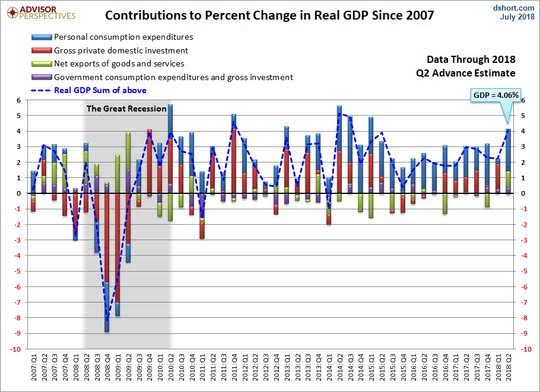
Many of the bears want to argue that the US is in a late stage economic cycle – and that the earnings and the growth are unsustainable. The 2Q earnings reports maybe worth reflecting on for cycle analysis. Margins are robust and so is demand. According to FactSet, the blended (year-over-year) revenue growth rate for Q2 2018 is 9.3%. If 9.3% is the final growth rate for the quarter, it will mark the highest revenue growth reported by the index since Q3 2011 (12.5%). All eleven sectors are reporting year-over-year growth in revenues. Four sectors are reporting double-digit growth in revenues: Materials, Energy, Information Technology, and Real Estate sectors.
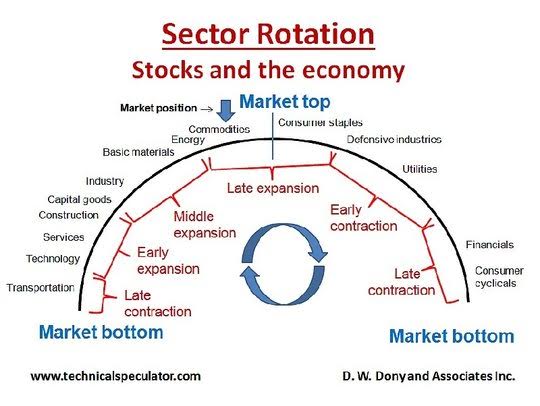
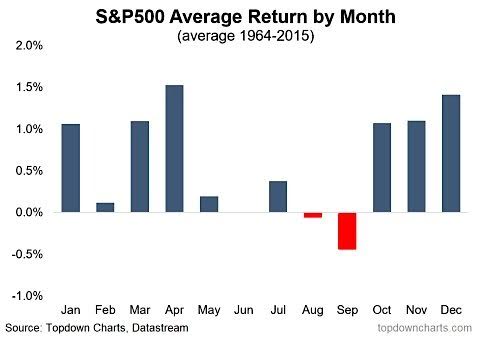
The traditional charts on sector rotation and business cycles suggest we are in the middle to early late stages and that means that the wall of worry for investors is just not as high as many of the summer bears would like us to believe. However, the cycle of buying in July and selling in August and buying it back in September isn’t going to be easy to break.
Comments
Log in or sign up to join the conversation.