
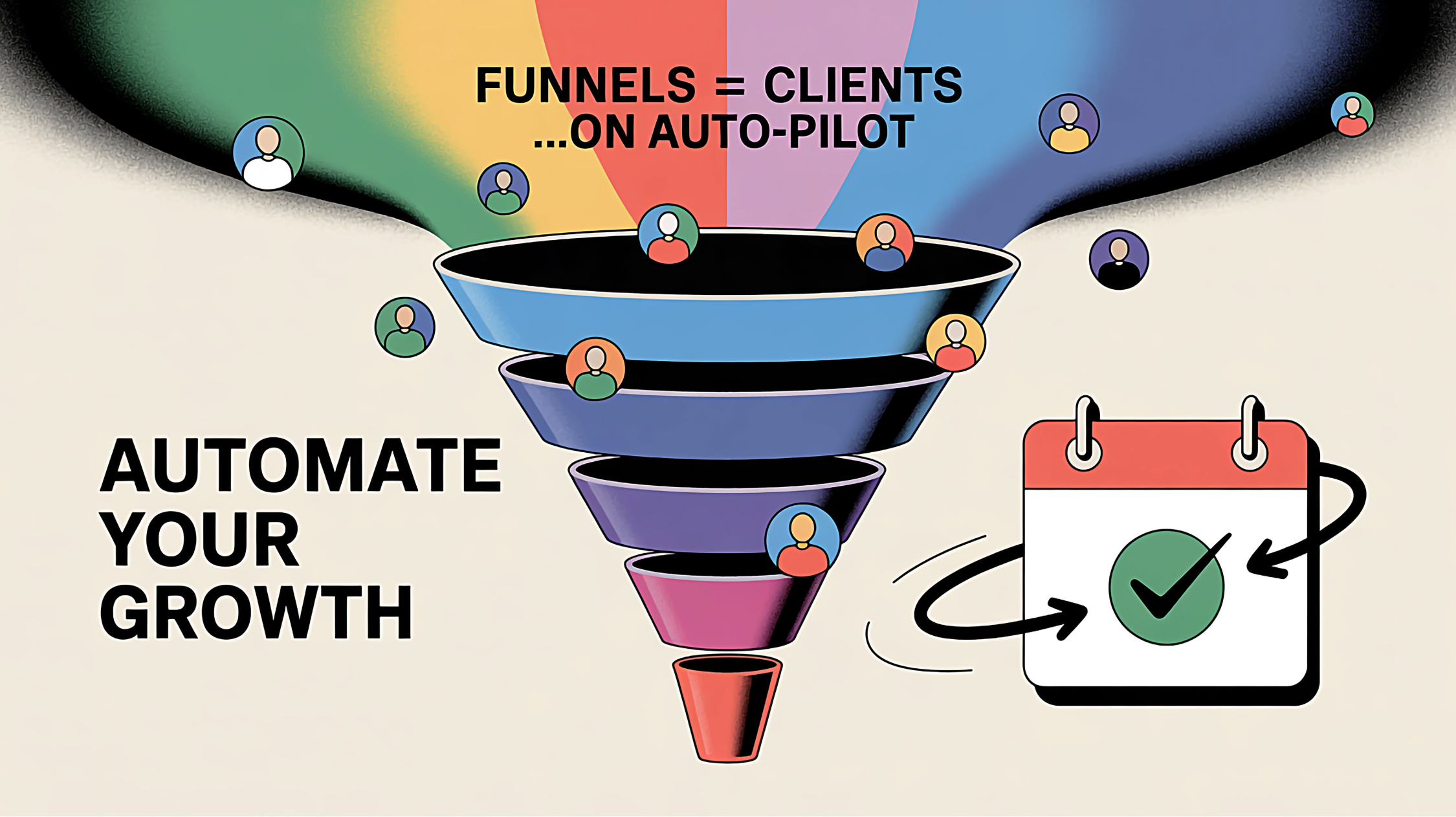
In the world of digital marketing, two terms are often used interchangeably: marketing funnel and customer journey. While they are closely related, they are not the same. Understanding the difference between these two concepts is essential for building effective marketing strategies and delivering better customer experiences.
Both the marketing funnel and the customer journey focus on guiding potential buyers toward a purchase, but they approach this process from different angles. One is business focused, while the other is customer focused. When used together, they create a powerful framework that helps brands attract, engage, and convert their audience.
What is a Marketing Funnel
A marketing funnel is a structured model that represents the stages a business uses to guide potential customers from awareness to conversion. It is called a funnel because it starts with a large number of people at the top and gradually narrows down to those who take action.
The typical stages of a marketing funnel include awareness, interest, consideration, and conversion. Some models also include retention and loyalty as extended stages.
From a marketer’s perspective, the funnel is a way to plan and execute strategies at each stage. For example, businesses use content marketing and social media to create awareness, email campaigns to nurture leads, and targeted offers to drive conversions.
The marketing funnel is goal oriented. It focuses on measurable outcomes such as clicks, leads, and sales. It helps marketers track performance and optimize campaigns based on dataWhat is a Customer Journey
The customer journey describes the entire experience a person goes through with a brand, starting from the first point of contact and continuing through interactions even after the purchase. Unlike the marketing funnel, the customer journey is not always linear.
Customers may interact with a brand through multiple channels such as social media, websites, ads, reviews, and word of mouth. They may move back and forth between stages, take breaks, or even skip certain steps.
The customer journey is driven by emotions, needs, and perceptions. It focuses on how customers feel at each stage and what influences their decisions.
For example, a customer might discover a brand through an Instagram post, read reviews on Google, visit the website multiple times, and then make a purchase after receiving a discount offer. Each of these touchpoints forms part of the customer journey.
Key Differences Between Marketing Funnel and Customer Journey
Although both concepts aim to convert potential customers into buyers, they differ in several important ways.
1. Perspective
The marketing funnel is business centric. It focuses on how a company moves customers toward a specific goal. On the other hand, the customer journey is customer centric. It focuses on the experiences, thoughts, and emotions of the buyer.
This difference in perspective is crucial. A funnel tells you what actions to take, while the customer journey tells you how those actions are perceived.
2. Structure
The marketing funnel follows a structured and linear path. It assumes that customers move step by step from awareness to conversion.
In contrast, the customer journey is flexible and non linear. Customers can enter at different points, revisit stages, or drop off and return later.
This makes the customer journey more realistic, as it reflects actual human behavior.
3. Focus
The focus of the marketing funnel is on conversion and measurable results. Marketers analyze metrics such as traffic, click through rates, and conversion rates to evaluate performance.
The customer journey focuses on experience and satisfaction. It considers factors such as ease of use, trust, and emotional connection.
Both are important, but they serve different purposes.
4. Control
Businesses have more control over the marketing funnel. They can design campaigns, create content, and decide how to guide users.
However, they have less control over the customer journey. Customers decide how they interact with a brand, which channels they use, and when they make decisions.
This is why understanding customer behavior is essential for improving the journey.
5. Touchpoints
The marketing funnel defines stages, but the customer journey defines touchpoints. Touchpoints are the interactions a customer has with a brand, such as visiting a website, reading a blog, or clicking an ad.
A single stage in the funnel may include multiple touchpoints in the customer journey. Mapping these touchpoints helps businesses identify gaps and improve the overall experience.
Why Understanding Both is Important
Relying only on the marketing funnel can limit your strategy. It may lead to a focus on numbers without considering customer experience. On the other hand, focusing only on the customer journey without a structured funnel can make it difficult to measure results.
Combining both approaches creates a balanced strategy.
For example, a business can use the marketing funnel to plan campaigns and track performance, while using the customer journey to understand how users interact with those campaigns.
This combination allows marketers to deliver the right message at the right time while also ensuring a smooth and engaging experience.
How to Align Marketing Funnel with Customer Journey
To get the best results, businesses need to align their funnel stages with the customer journey. This means understanding what customers need at each stage and creating strategies that match those needs.
Start by identifying your target audience and creating detailed buyer personas. Understand their problems, preferences, and behavior.
Next, map out the customer journey by listing all possible touchpoints. This includes online and offline interactions.
Then, match these touchpoints with your funnel stages. For example, blog posts and social media content can support the awareness stage, while product demos and testimonials can support the consideration stage.
Finally, continuously analyze and improve your strategy based on feedback and data. Customer behavior changes over time, so your approach should evolve as well.Common Mistakes to Avoid
One common mistake is treating the funnel as a fixed path. In reality, customers do not always follow a straight line. Ignoring this can lead to missed opportunities.
Another mistake is focusing too much on selling and not enough on building relationships. Customers are more likely to choose brands they trust.
Businesses also often overlook post purchase stages. Retention and loyalty are just as important as acquisition. A satisfied customer can become a repeat buyer and even promote your brand to others.
Conclusion
The marketing funnel and the customer journey are two important concepts in today’s marketing landscape. The funnel gives a clear structure to guide conversions, while the customer journey helps in understanding how people actually engage with a brand at every stage.
The main difference comes down to perspective. The funnel is centered around achieving business objectives, whereas the customer journey focuses on the overall experience of the customer.
As a digital marketing freelancer in Dubai, combining these two approaches helped me to build strategies that are both result driven and customer focused. This not only improves engagement but also increases conversions and builds long term relationships.
In today’s competitive digital space, understanding both the marketing funnel and the customer journey is no longer optional. It is essential for achieving consistent and sustainable growth.
Comments
Log in or sign up to join the conversation.