

Phenomenal persistence was anticipated into the mid 2700's as we'd approach the holiday weekend. However the way it held together in the face of 'protectionist' omens from Commerce Secretary Ross, was altogether reflective of how this fearless market remains on a 'mission'.
What's the mission? As unjustified as it is we have speculated it's really a drive to recover everything (and then more) lost in the projected rocky late February action leading in the 'flash crash' drop we called for ideally occurring in early February. This market doesn't even express concern about 'protectionism and retaliation', but ultimately that's a real issue.
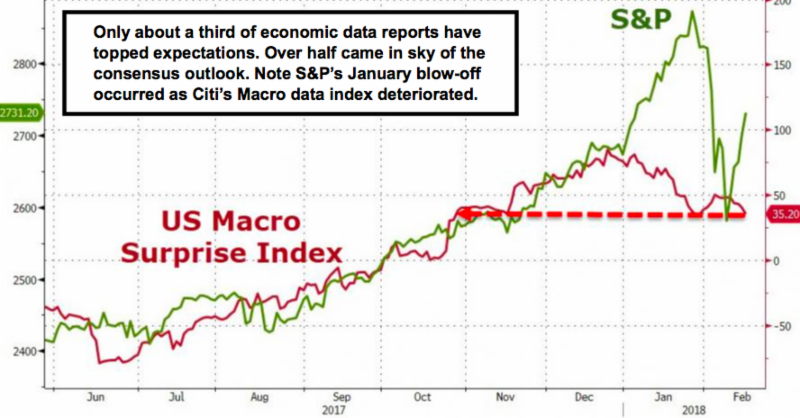
A recovery from the high-level double bottom at the March S&P's clearly developed 200-Day Moving Average? Yes, we thought so; although with it being too textbook, and at a high level we were (and are) unwilling just to throw caution to the wind and suggest high-level investing beyond the 'trader only' short-term rebound view expressed when calling for what I termed an 'automatic rally' off the double-bottom washout. Chasing it up here is now ludicrous; even if it manages to advance further. A serious question might be whether any further strength should be lightened up.
This past week we called for Oil to rebound (it did a bit from high 50's to the low 60's); but by no means moving back toward 70 barring a crisis of course. And we thought that the S&P (and Nasdaq especially) needed oil stocks to assist their effort as traders rotated from techs into others in the well-oiled drill of using rotational shifts to prop up the market pattern.
Free trade debates aren't terribly impactful though they could be over a period of time. The levies proposed on steel and aluminum are not new from a broad sector area as there have been some. For several years, in addition, there have been political pressures to dissuade using cheap Chinese steel. I pointed to the San Francisco/Oakland Bay bridge as a case in point. However, additional levies might pressure private industry, which is being discouraged from global outsourcing in many ways now.
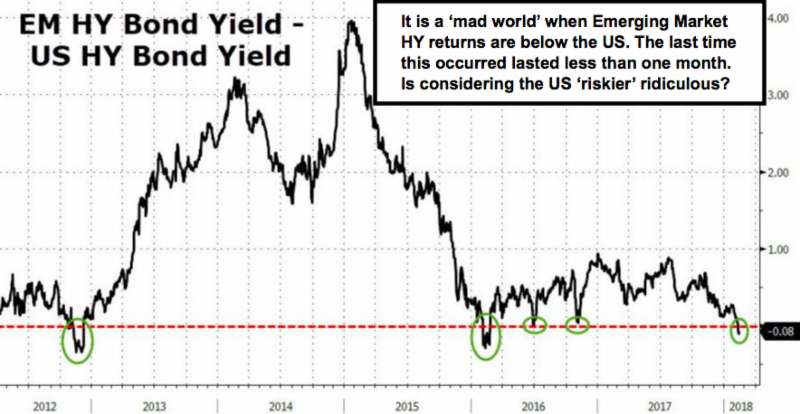
With respect to yield movements there are debates. Generally; if a bond is denominated in a major currency expected to rise against the Dollar, then its perfectly reasonable for its yield to be lower than equivalent US Dollar paper. Again, exchange rates and nearly zero rates abroad in many countries makes investing in American financial assets lucrative. The problem arises when (like with China this month) you hear begging for deposits, by bankers, because a liquidity drain is now encroaching.
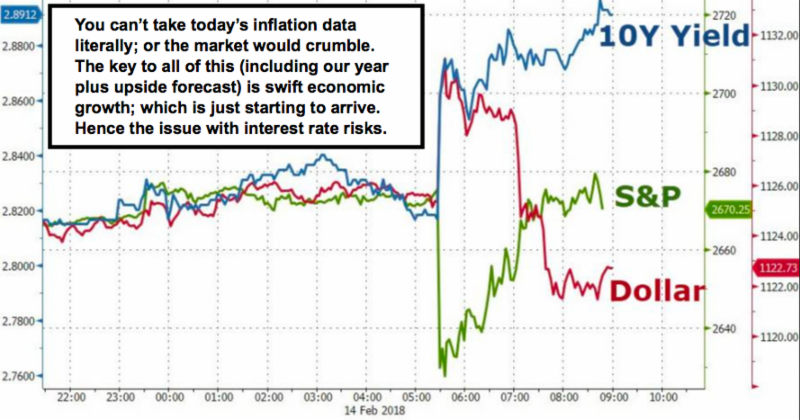
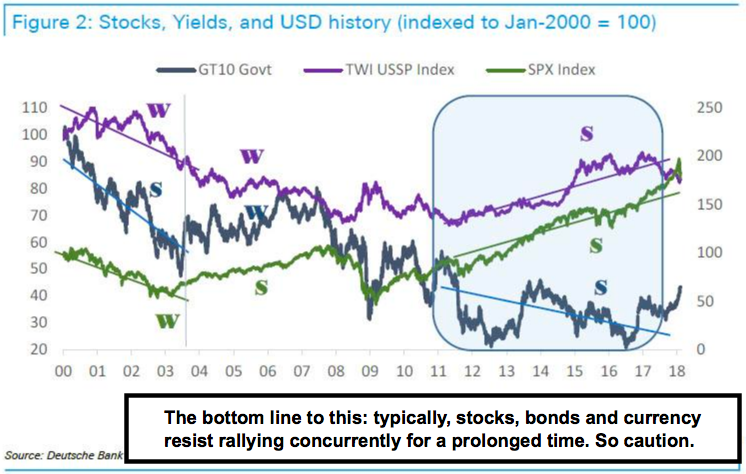
In sum, the market is holding together at high retracement levels for the S&P. Yields in their most basic rise, reflect a stable Dollar at the slightly lower levels. (We were bullish for four solid years on the Dollar from 79 to 100. Then Goldman came forth to say they liked it at 102 and I said game already played, sell it to them. Now down here in the high 80's I'm not particularly bearish on the Dollar, so moved to a stabilization call.)
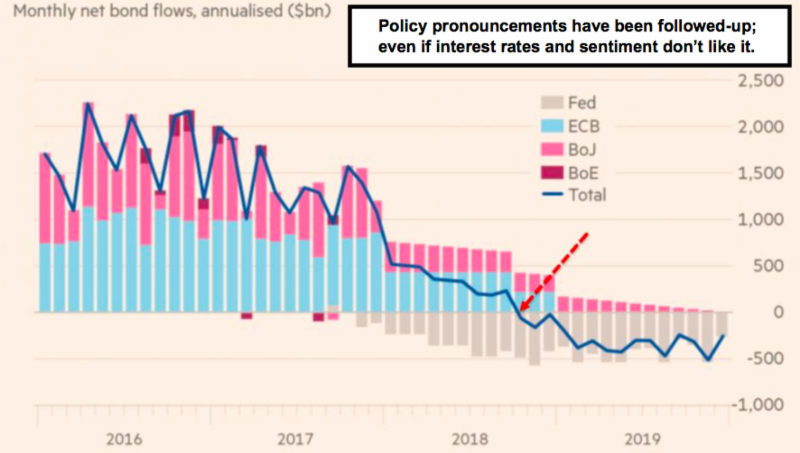
Low yields mean people are widely interested in buying the particular bond or instrument. High yields generally suggest people have to be enticed to buy bonds with lower bond prices but that equates to lower currency value. This relationship prevailed for years while the Fed overstayed their so called 'emergency' low rates. The pattern has been shifting as they forewarned it would with respect to unwinding the Fed's Balance sheet but so far demand has absorbed supply fairly well; just as perhaps 'flight to safety' Treasury buying also helped provide demand.
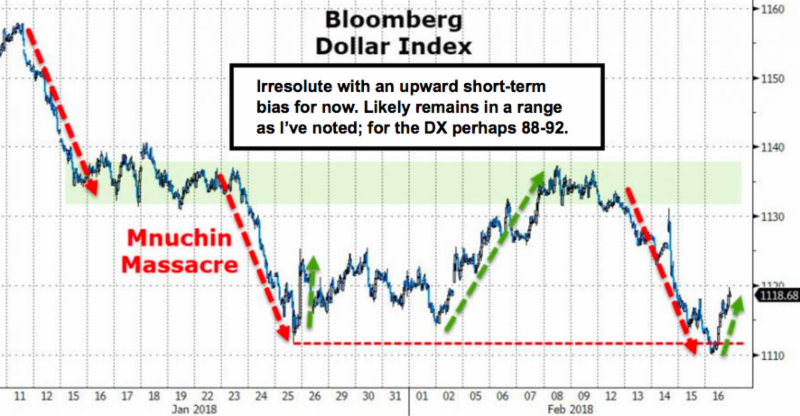
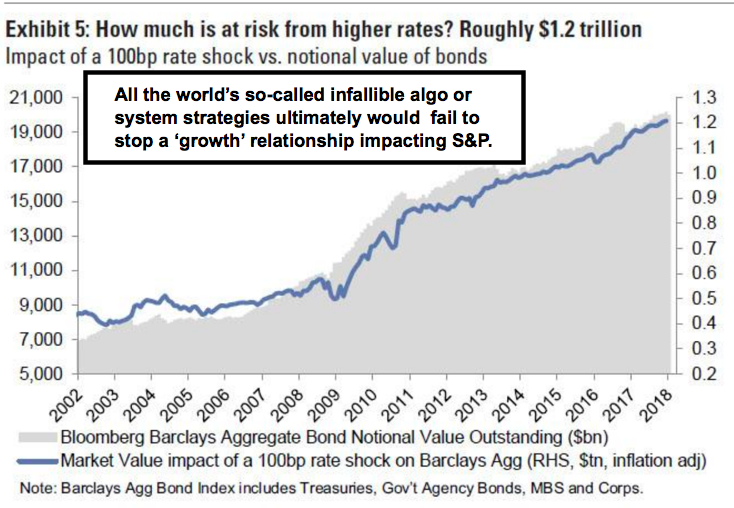
It's an unfolding challenge many contend should impact equity prices as things shift but I've contended it would short-term while not impeding at all US business with rates firming slowing as called for from relatively low levels. While the Fed does not need to officially hike rates so long as supply rolling off gets absorbed with only nominal moves higher in rates; it can still firm like we've explained. Though yes it's at an inflection and it would seem surprising if we don't get a formal rate hike in March.
Also I've noted the myopic view of domestic economic activity probably didn't justify the Fed's snugging-up but we projected it based on 'global' relationships, while the Fed nearly always tries to explain it domestically. It's not just disintermediation or the like, it's also concern about China or others moving to essentially moving to competitive policy regimes.
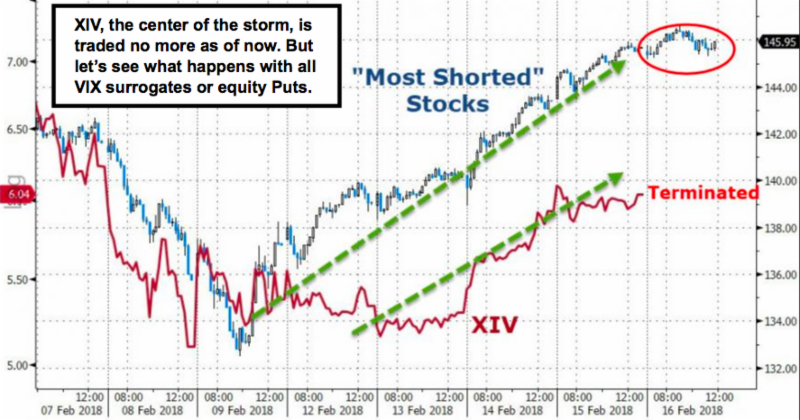
Today's 'protectionist' sentiments didn't even ruffle the market as much it is said, as the 'Russian indictments' did. Then when those were stated not to involve the White House (just more agitation which I remarked on in the last intraday video), the market stabilized for the rest of Friday. The late action was firm but inconclusive with respect to meaningfully taking out the March S&P 2750 level, which should occur next week.
Weekend (final) MarketCast
Last hour (intraday) MarketCast
|
Comments
Log in or sign up to join the conversation.