

'Managing ongoing probes' into anti-competitive big technology trends, and their disruptive practices, are the tip-of-the-iceberg in potential antitrust efforts; and the market is taking notice. This is where 'control becomes sort of a liability', and that's also why many want to gravitate to blockchain and/or use of cryptocurrencies; although there are valid and not series accounts.
But the point here is whether value is created by breaking-up companies, or whether 'reforms' essentially can modify the power by which these firms try to work (perhaps more fairly) with their sellers and partners. Some asserted themselves in a way that actually diminishes innovation by those who would like to blossom and bring their ideas to the big firms, which then circumvent them and basically undermine the initiatives that held promise (or just do the projects or marketing themselves, usurping the knowledge of innovators).
It's less a political challenge than an issue of 'concentration' of power which limits innovation in the long run. And it should be a bipartisan issues, such it appears is the case, with the EU moves against Amazon. Also the efforts to rein in Libra (Facebook's proposed new platform avoiding using existing platforms) point out the risk of concentration within some of the big techs.
It's not our point as to how or whether Facebook launches Libra; or whether Google looked askance (rather than specifically knew) of quasi-espionage by Chinese Nationals operating in their midst and conveying (innocently as a business move or by repatriating, or surreptitiously) information to China. It is our intent to suggest that things are happening that both concentrate a great degree of influence in power in unregulated hands, and that there is a greater shift of innovation and application (often via IP theft and merely the move of engineers and specialists to other companies or countries); than is generally accepted by Americans. It's a 'brain-drain' that accelerated.
Monetary policy, meanwhile is borderline wrongheaded once again. Much of the pressure on the Fed to reduce rates further may be based on trailing economic data, rather than any intelligent vision about business conditions.
Of course the Chairman's instincts are very good as far as outcomes from a policy move; while the idea of an 'insurance rate cut' is ridiculous, when you have rates already at quite low levels. While many do or will presume a Fed cut is based on political pressure, it probably would not be (but merely their again retroactive response to the economic sluggishness I forewarned of a year or more ago). If the President or others 'really' believe the Fed actions are a response to political pressures; that's very problematic going forward.

You already see the 'green shoots' of an economy adjusting to shocks of trade policy changes (which hopefully get neutralized fairly soon); and that falls in-line with my view that the near-recessionary sluggishness nears an end, not a deterioration, about the time the Government recognizes it.
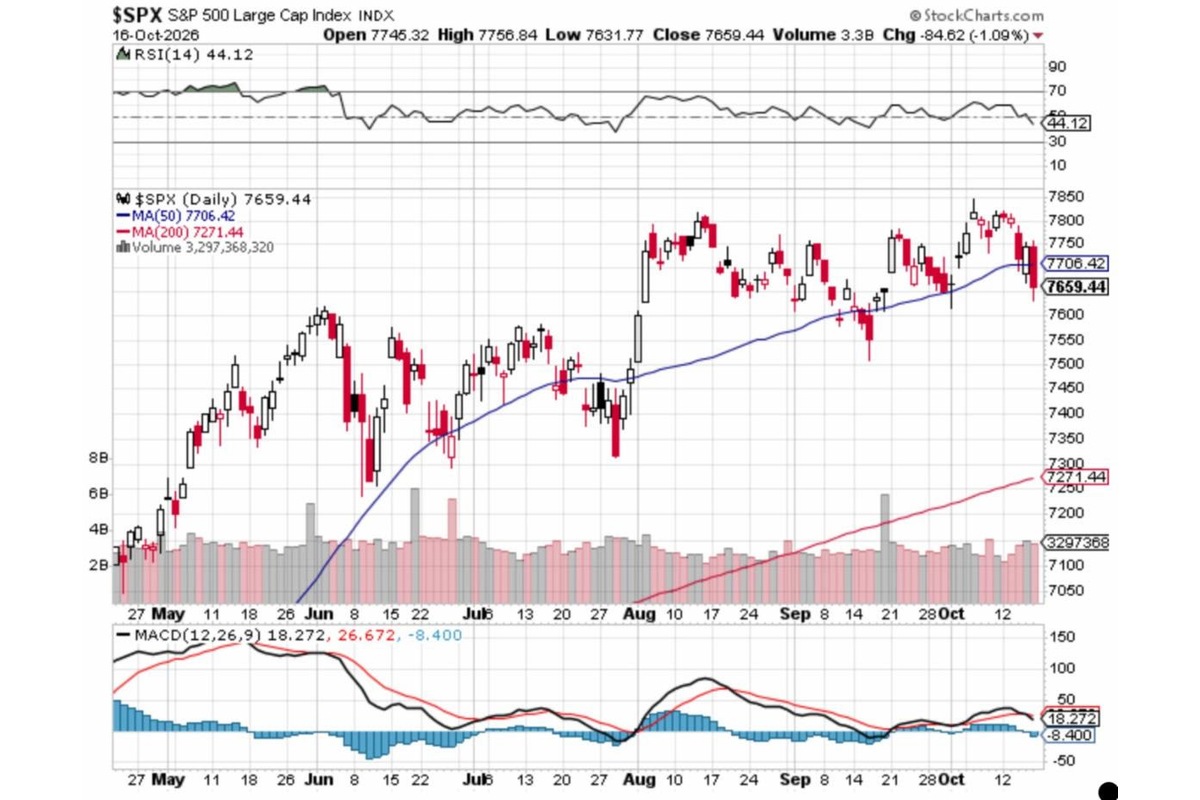
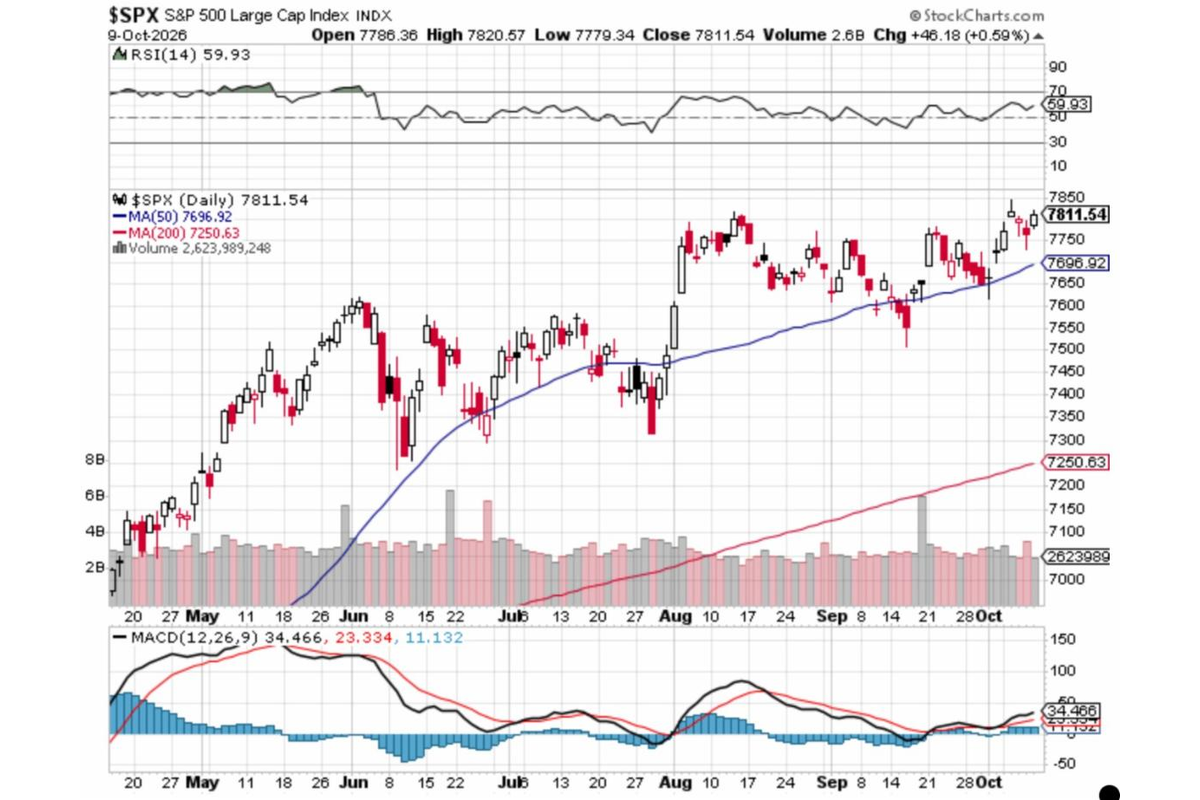
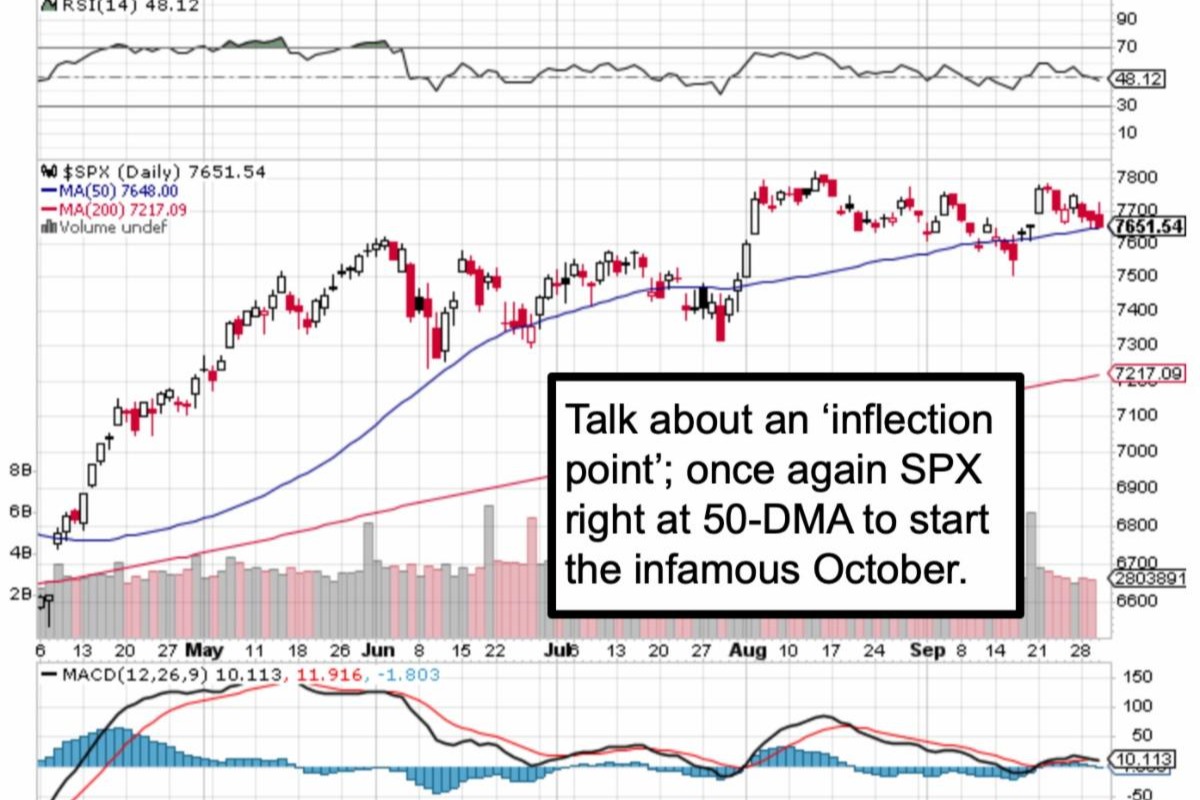
Now that we see some modest favorable signs, it's conceivable we don't get 'recession' in any formal definition; but rather slop around; perhaps contract a bit while or even after a 'trade deal' with China (if it's forthcoming at all); then firm at least somewhat going into the new year. That's far-in-advance for now; but is a sort of 'template' for how this may evolve. Technical pattern ideas for the S&P so far have been mostly on-the-market; but importantly an admonition to not be 'too bearish' about the prospects remains valid too.
By no means do we retreat from expectations of rotational corrections, while concurrently emphasizing this was the expectation for 2019's 2nd half action basically; so as we migrate through a significant 'technology transition' year, one should (if we're correct) be a bit defensive (after all it's not bargain day) but not get swept-up in the doom-and-gloom catastrophe ideas.
Probes to the downside, with alternating rebounds, now prevail.
Comments
Log in or sign up to join the conversation.