

Monetary policy excesses set the stage for an alternative bubble in the mid 2000's, leading to our 'Epic Debacle' call in 2007-'08, prior to a bust, and based on our earlier view of the property bubble headed toward disaster. It escalated once we learned of the CDS / derivatives mess (and how they were used improperly as 'net capital' by major firms) in 2007. What we have now also sets a stage for significant threat risks.
Whether we get comparable effects isn't really debatable; we probably won't see that kind of outcome because the Financial sector currently is well aware of that kind of prospect, and while leverage isn't unwound at least the capital structure has somewhat been ameliorated. I say it that way, because the 'theoretical' risk is actually greater now than the 2007 situation, but you don't have the extended spillover risk for larger numbers of 'average' Americans, as you did back then.

You do have a set-up for property purges in certain 'markets' like New York (though it is never a total disaster in NYC), Miami, which could be more painful given accompanying currency issues for most property buyers, who now are overwhelmingly Latin American and thus very challenged due to currency exchange rates; with many of those seriously trying to sell in Miami also Latins who bought at attractive times). Rising tides at a point that sober players know the next 'real' storm could inundate at least the majority of tourist areas, which is a further detriment to serious investment.
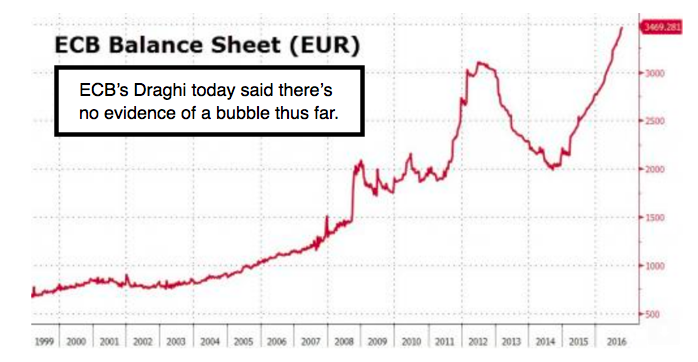
However, my point is that we do have a 'bubble', particularly in balance sheets of central banks such as our Fed and the ECB. A sensitivity to this was evidenced by the market's favorable reaction to ECB's Draghi spinning his QE and bond buying programs as seriously helpful, and then quietly responding to a question by nothing just briefly that "nothing lasts forever". You would think money managers assume that, but given the responses to such remarks over there and right here one has to believe many are along for the ride so long as the horse just bucks a bit, but doesn't throw them off.
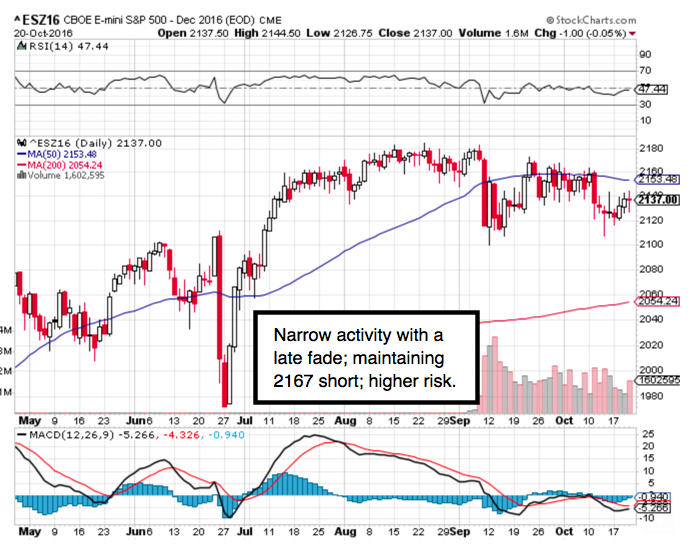
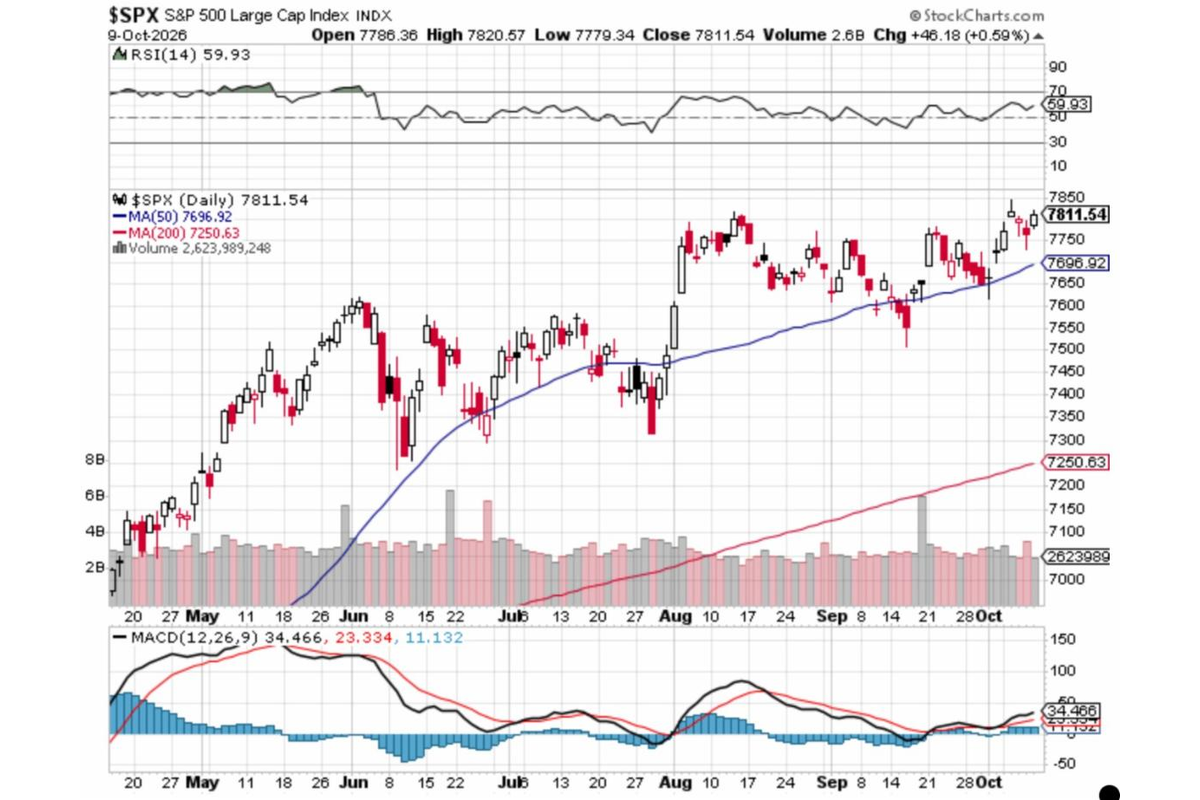
Once they're tossed off, which would be the penetration of recent lows in the S&P we've noted, the trap door is again open, with slim windows to exit such as what I like to term a 'keyhole exit'. That would take S&P into the 'vacuum' below the September lows ranging to the June lows.
We are seeing serious cracks in global growth despite interpretations to the contrary. Only Oil has held up the markets, basically. Even one of the monetary governors in Canada described the fall-off in Trade as a 'structural' one, rather than a cyclical dip. Well yes, institutionalization of outsourcing and manufacturing (part of globalism) persisted far too long and deconstructed our economies through many Administrations and along with many bilateral and multilateral trade arrangements that were not favorable to the United States. And yes this predated the last few years, and transcended politics because both parties allowed this.
It began when Kissinger and Nixon opened the door to China, which at the time helped avoid global tensions and opened up the world. But as time went on it became tilted against the West and that's again what I refer to as 'institutionalizing' a policy.
Bottom line: Globalism, like monetary policy, sometimes is easier for a governing body to initiate, than it is to unwind. A good thing allowed to persist for too long becomes 'comfortable' to those benefiting from it at the same time beneath the surface, such policies gradually become an inhibitor of growth, and thus counterproductive to both sides (in trade as well as the monetary authorities, who are painted in a corner).
Comments
Log in or sign up to join the conversation.