

June 'boom' preceding 'swoon' might be the ultimate whipsaw following the 'trifecta' muddle through the week just past. Certainly, with pre-release Comey testimony on Wednesday; the actual hearing having a similar response in markets on Thursday and then the overnight stunning currency and futures swings while the British election was clarified you had all the elements of a roller-coaster on Disney's Space Mountain.
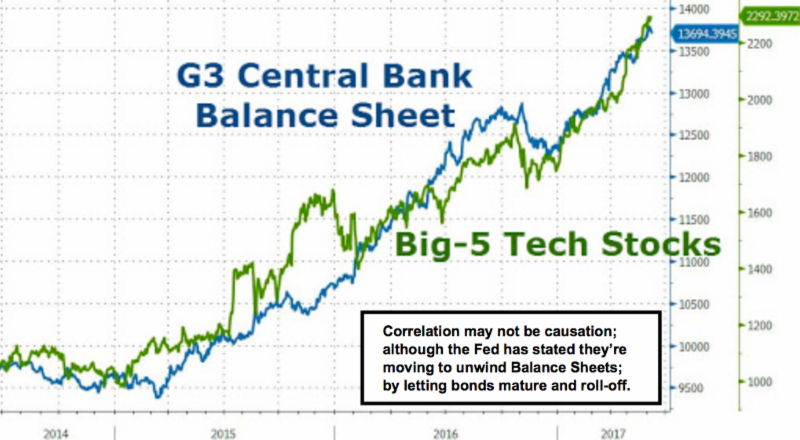
And as I've warned of all week long, the air-pockets in FANG stocks which did the heavy lifting of this market; cratered big time pretty much all at once. By doing so it validated by 'embedded' chart comments Thursday, that 'now' would be a good time for the market to break down a bit. Sure, it did recover partially at the close (expected too) but after another washout likely early in the week; and a pattern I'll discuss in the main video; look out.
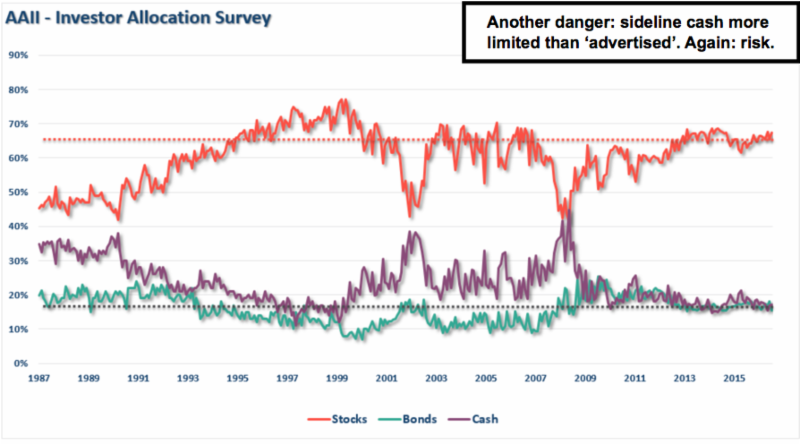
What the week resulted in is a 'contended' vindication by President Trump, almost nothing new in economics (other than 'hope' for 'chewing gum and walking' toward tax reform and a healthcare bill amidst the political turmoil that the investigations still portend), and finally a 'dodged' upset in Britain, as dismay failed to toss-out PM May, though the duration of her rule is a bit tenuous.

Meanwhile, here in the U.S., matters can move forward with essentially new monetary reform, which amounts to a repeal of Dodd-Frank. This, I'm not so enthused about, given it's being done without a concurrent return of a new variation of Glass-Steagall (separation of brokerage, investment banking, as well as commercial banking; or at least have valid 'firewalls' to prevent such commingling of funds as were allowed to penetrate the firewalls, contributing largely to our forecast 'Epic Debacle' back in 2007-2008; which clearly must be avoided ahead). We are not in 'that' kind of mortgage derivative bubble but it is a variation with respect to concentration of money and detachment of asset valuation from economic realities.
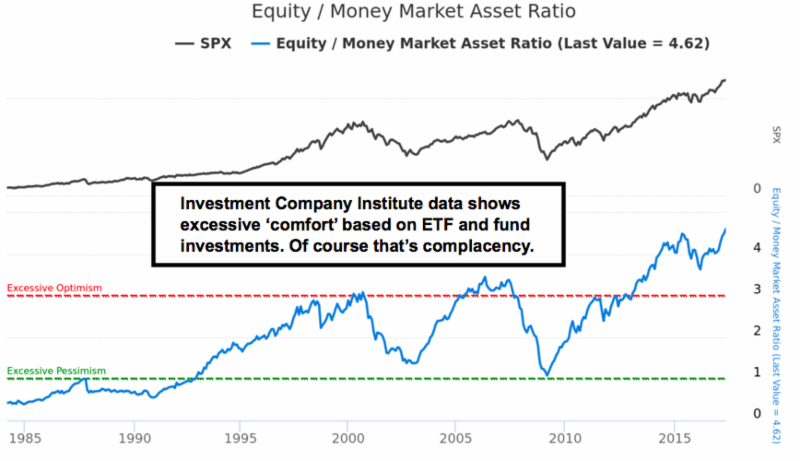
Now, as then, people ponder whether it's the 'age of the machines'; whether there will 'ever' be a shakeout of meaningful market decline; or whether you now have algorithmic computer-controlled algorithms that will never unwind a higher than 35% proportion (for instance) of stocks. The answer is yes to all. How so? Because of course there is a proportion (probably larger than a third) that will never come out, and never should be liquidated. There also is a computerized system but in the final analysis it shouldn't function different than the old 'program trading', once things unwind below key support points.
|
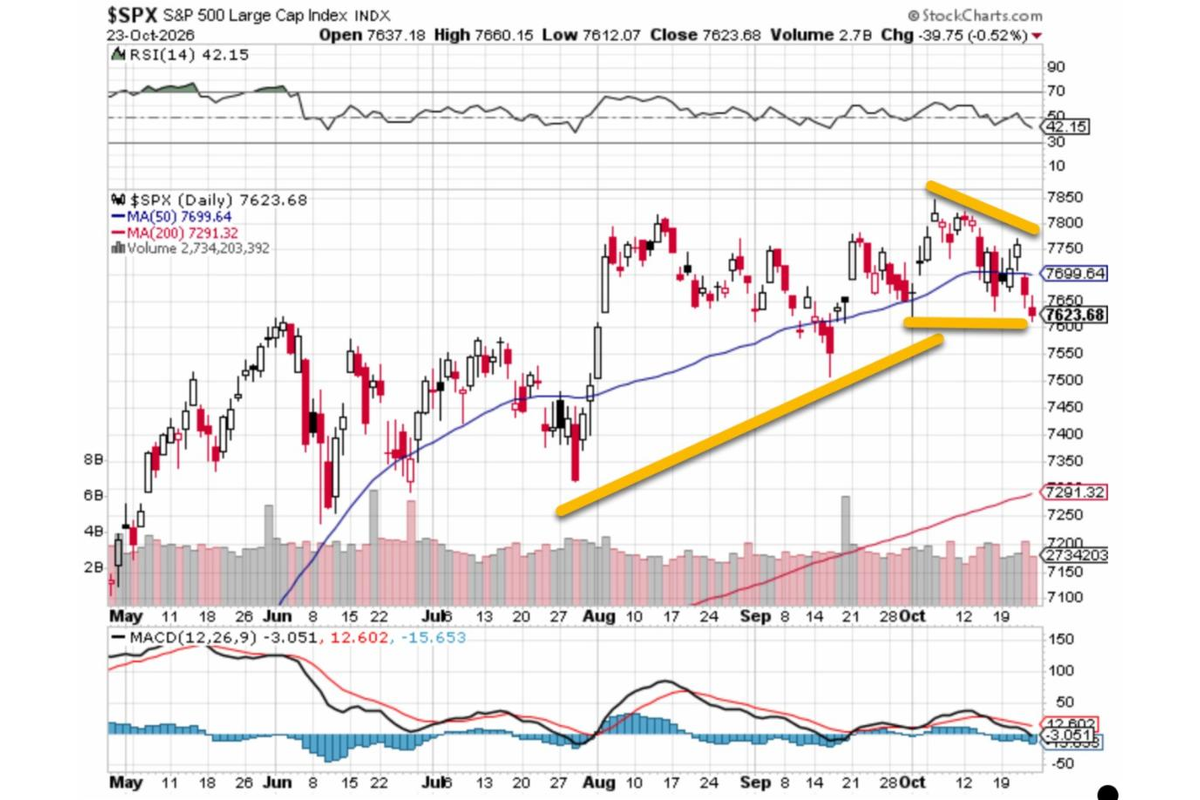
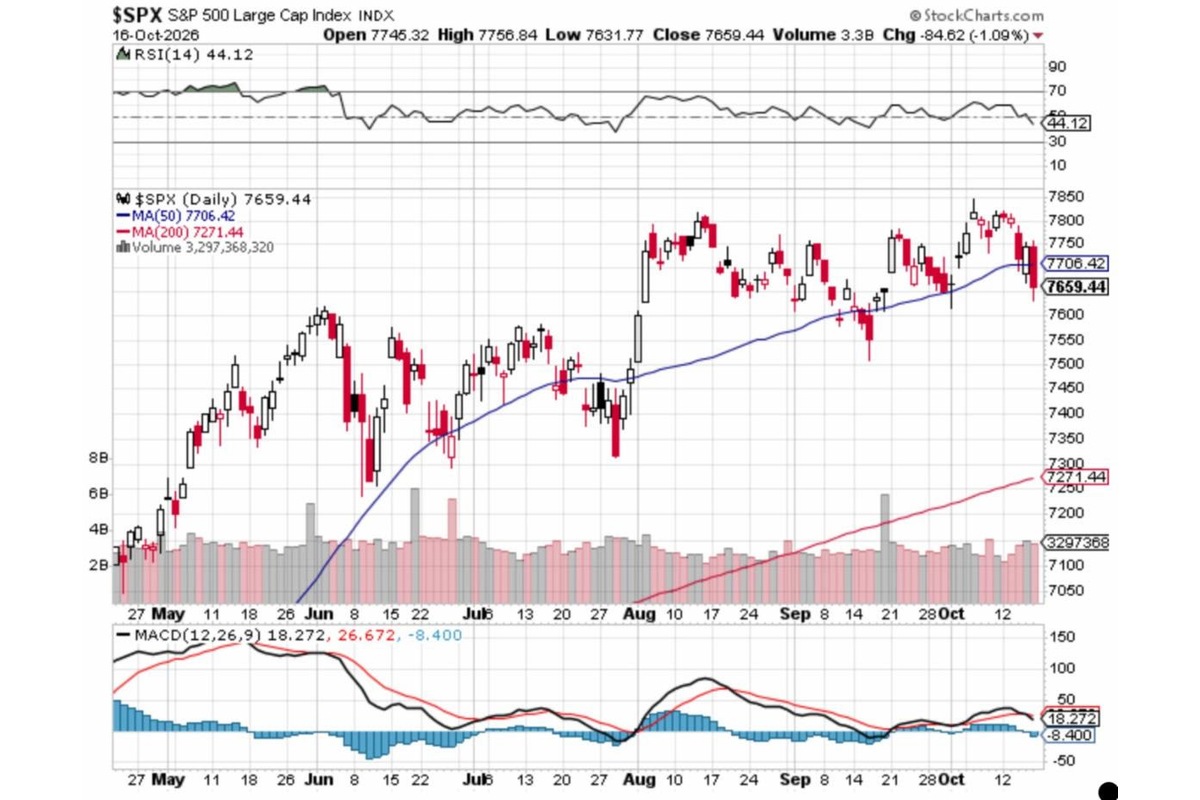
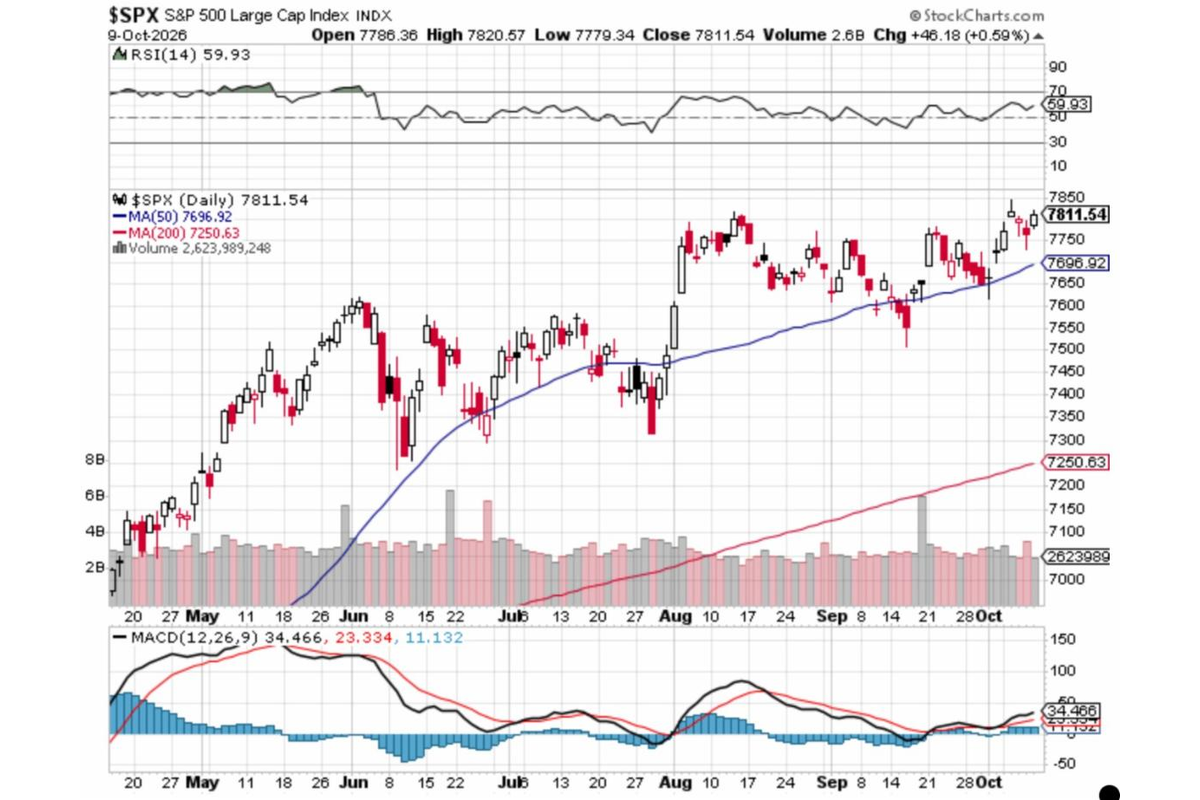
In sum, though damaged, we continue to have a partial 'technical cushion' (above the primary rising S&P trend-line for instance) that inhibits declines from getting too far before they rebound, as periodically the short sellers are repeatedly run in.
|
|
|
|
|
Comments
Log in or sign up to join the conversation.