

Global fragmentation - in economics, geopolitics, confidence in leadership, and a general suspicion of central bank policies in many countries - persists. It not only eclipses performance of markets, but ironically has contributed to artificial flows of funds (often by sovereigns either shifting funds or even buying corporates in a few cases) that held markets up (and continues to fight to do so).

This is a variation of the oft-expressed (exasperated) view of the market as simply 'TINA' (there is no alternative). We've had a couple such environments over the last twenty years or so; they didn't end well. Hence, protracted hiding or not, it's worthy of concern.

In a sense this sort of world-disintermediation becomes the power that contributed to the disconnect between economic realities and market prices. By so doing time was bought, but not enough to get to a time of 'genuine' global growth restoration; and that means a stock market (not just in the U.S., but particularly and more so if demand or other strength reasserts itself either in Europe or America) incredibly at risk due to the upside 'discounting' of a revival that really isn't terribly apparent.

Here in Britain, nobody seems to know anyone that voted 'for' Leave; although now the majority I've chatted with, do not believe Brexit holds economic or growth risks a slew of political and economic interests suggested at the time. I bounce my 'this was more of a concern for the EU than for the UK' idea frequently; and hear total agreement from everyone I've chatted with; that the EU needs Britain more. So it's no surprise that even the EU leaders (as predicted) have tempered their threats (not to do quite acceptable trade deals with the UK without the UK embracing views of migration) that are anathema to the British Government now. As many of the Brits suggested two weeks ago, Britain prefers something like Australia's 'point-based' system.

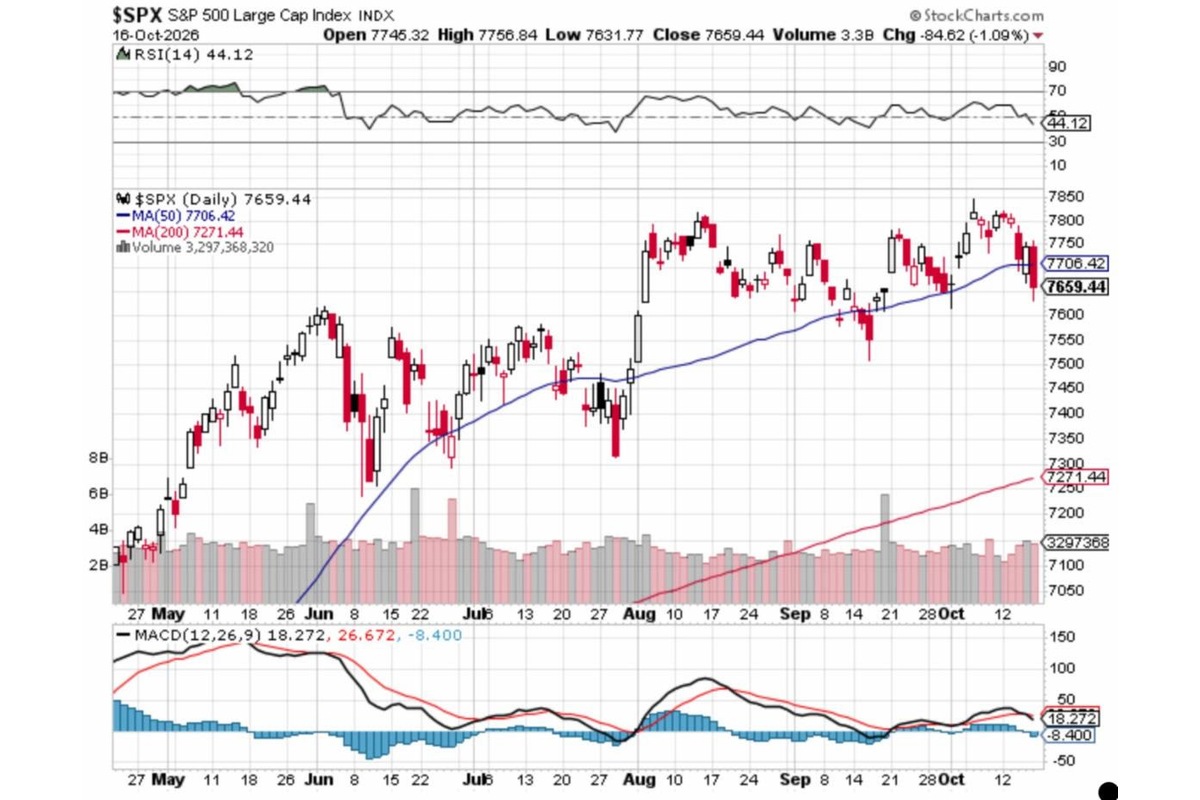
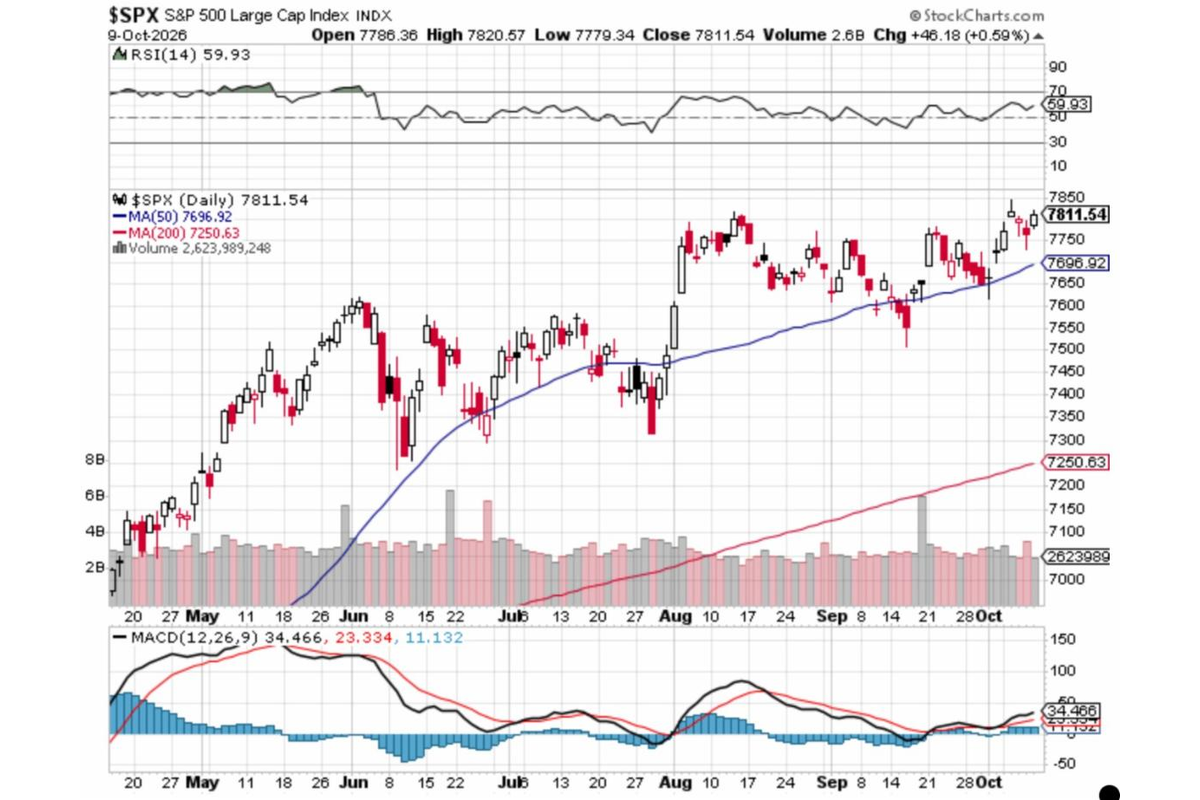
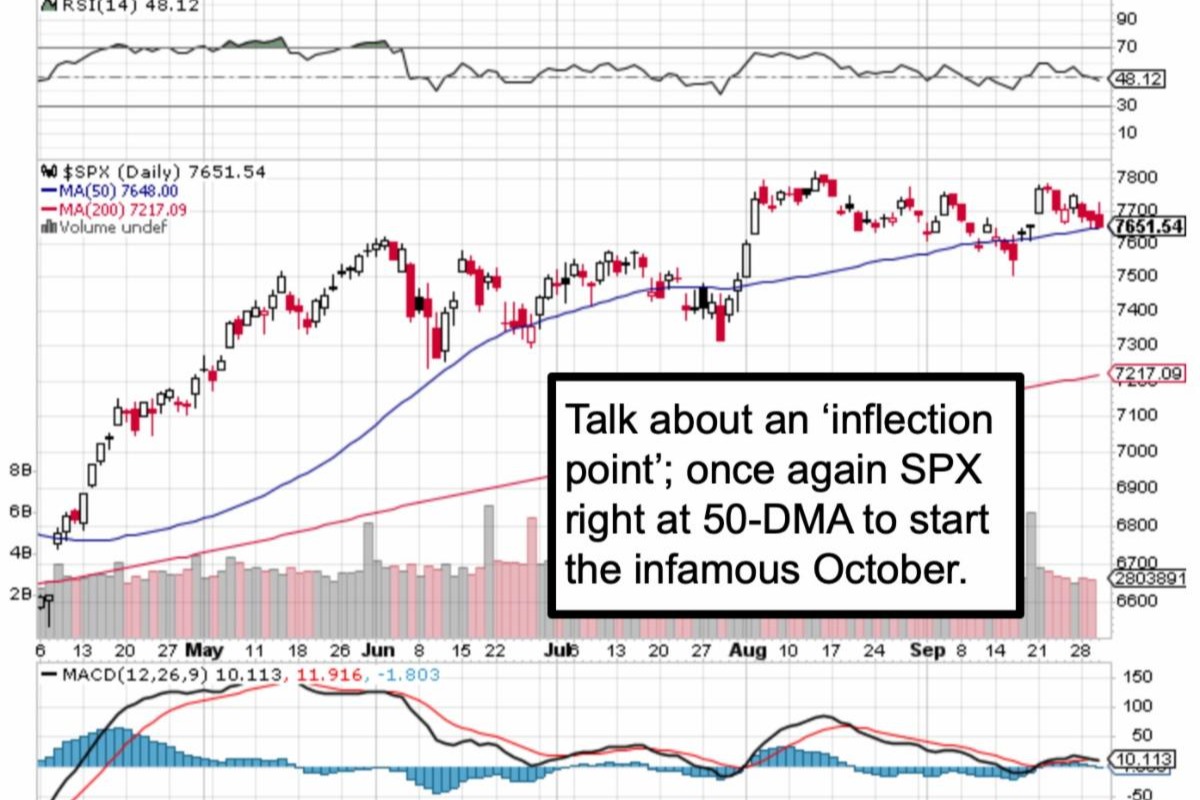
All this occurred with a feisty first-half of expected July stabilization effort indeed as it turns out resulting in an upside bearish capitulation. Internal market technicals, at least over the past week, were deteriorating before the Averages rolled over a bit, prior to Friday's comeback. Of course we didn't expect bulls to surrender without a fight; although recently they seem a bit reticent to 'chase price' after such a move.

In sum: there is a backlash from globalism. It's not merely populism. Take a harder look and some uncomfortable, if understandable, patterns persist emerging: rising nationalism, identity politics (and kudos to the GOP for a seemingly-revolutionary applause for Peter Thiel's speech, which definitely reflects Trump's candidacy as a move that's more centrist than opponents decry), disdain for banking institutions at least as much as government bureaucracies, if not a fracturing of the rules-based international system.

Governments have lost a degree of control, and citizens faith; and often respond in a bellicose or suspiciously-contrived way (thinking about Erdogan's Turkey). The belligerence in domestic politics, in more than just the USA, has spilled over onto the global stage.
This is actually a dangerous but potentially constructive time for citizen renewal of conviction; for realization that 'we the people' are still allowed to think for ourselves (in an age where media tries to reduce everything to soundbites, or just a series of Government pronouncements which are often illogical), and it's not so much just a trend of populism; but an anti-central bank / multinational-corporatist shake-up.

If this trend ultimately results in a focus on better trade, on compassion for people, but common sense security, and a reduction of debt increases while focusing lots more on the private sector.. well, a period of real growth can lie ahead. Success by a larger proportion of our population (and that's true for other countries too) tends to reinforce tolerance, reduce domestic societal strife, and embolden 'real' forward optimism, though of course it's a recovery process that will take a couple years.

Bottom line:
For sure the U.S. stock market can begin anticipating that 'comeback' later in this year even; though ideally that's a prospect to assess later on as we get into the Fall. I wanted to emphasize how the politics (and often realities) that seem so dire, can lead to (finally) a grappling with the problems, and some solutions.
Instability at home and abroad, as well as crumbling optimism, can be channeled into sensible overdue and constructive reforms that usher in better times ahead. It is premature to invest for these; as the monetary approaches implement previously got the U.S., the EU and others into a 'we're all going Japanese' financial insanity; and it takes serious corrective measures to get towards a sustainable revival. That, ironically as it may seem, will be assisted by a serious heavy blow to the markets. A substantive decline in the weeks and perhaps months ahead, will be useful.

In the meantime, the market managed to absorb all selling and recover on Friday, partially (ironically) as every time there's another overseas terror attack (presumed to be what happened in Munich), money seeks safety, which relatively means U.S. financial assets. That's dangerous in itself, as there's no correlation with values or with fundamentals. It's a 'circling the wagons' approach, for the moment.

Comments
Log in or sign up to join the conversation.