

Backfiring bearish bets by rigidly negative money managers (way different than a trader who uses a portion of assets in hit-and-run trading, realizing risks inherent in retaining broad short positions), are starting to become evident. It's capitulation in its purest form. And while we normally don't talk of individual managers, when they're so large that everybody knows who they are, or in this case they tried to influence others because of their agenda, then it's not that they're fair game; but it merits noticing any change in their stance, or in this case 'personnel'.

So, whether or not the departure of the CIO (Chief Investment Officer) of the personal George Soros 'family fund' (said to be about $25 Billion) is indicative of the view we've had (of too many big money managers too rigidly negative with incredibly heavy short large portfolios) is hard to say; but we suspect they're obviously feeling the heat now.

Aside a few economic indicators (mostly reflected in charts we've shared), little else is going on here. NASDAQ managed consecutive higher weekly closes; which reflects I suspect the shift back into Oil a bit, as well as shuffle from multinational stocks that of course would suffer if the U.S. gets 'backbone' with respect to Trade policy (hints are appearing that such may be the case regardless of the Election; though obviously the current Administration attempts to codify some deals while they still can).
What money managers that are 'not' short are doing, is now a form of 'musical chairs' that also is associated with an effort to gradually shift exposure into domestic centric equities that are presumed less vulnerable if globally-focused prospects change for a slew of big-cap stocks (that can happen because of business changes as the Dollar strengthens, because of trade policy adjustments here or in other countries, or when you talk of command economies like China, it can be bureaucratic decisions such as made folks nervous about Apple, as the poster-child for a U.S. company over there).

On top of everything (including the credit bubble); you have a property bubble that's of course most evident in cities like San Francisco (and surrounding environs), plus of course New York (which is in slight decline, and nobody wants to talk about that). I have pointed-out this risk for months, because this year has probably been the worst for buyers (who can be stuck forever if they buy high; as houses aren't stocks with a degree of liquidity) as it's totally a seller's market in so many cities. Others don't sport the bubble price levels of San Francisco, but they are in 'relative' local bubbles.

The same thing (in a sense) applies to stocks that are discounting earnings that likely aren't coming; and even if they do arrive, the irony will be if the shares are lower then because the credit and equity markets will have shifted into a different mode. Sure, it is impossible to tell if it will be a correction or a broader 'smash', but something nasty is brewing; the degree of which is less relevant than being geared-up to deal with it.

I think the huge money managers that didn't hedge, but leveraged bearish bets, may have the right idea about what's out there in terms of risk (we've agreed with much of it); but the wrong strategy, which for them requires a broad and prominent plunge. I'll be delighted if we (as occurred several times over the past year; most recently Brexit and of course earlier in the year) get a pattern that allows taking initial large gains on a break, and then retaining partial positions for potentially larger downside scores.

In sum: big fund managers shorted too early this Summer in a massive way. We had a much more benign approach, which was selling rallies (primarily after the expected stability into mid-July), and then taking partial gains on those that worked (most), and using breakeven exits on the remainded.
Now we have managers jumping ship, as represented by the Soros CIO guy Friday. I see that as a sign of capitulation. Generally, barring 'black swans', they don't want to let this go until after the Elections one might presume. So in a sense (because 'there is a they') that's a form of control (rigging as some politicians prefer calling 'control').

But imagine these hedge or private fund guys (like Icahn too) who remain so heavily short..... and stay that way for weeks.... many, as contrasted to our hit-and-run tactic of placing bets and then getting out (whether profitably or not; and mostly yes due to only fading strength, never weakness), are betting the ranch (or the 'back 40' as that term suggests) on catastrophic breakdowns.
Aside guts, it's really foolhardy even if they turn out right in the long run. I know that one of our S&P shorts (on strength and then handled nimbly) is going to work well as occurred repeatedly (even a couple gains in this dull mostly lateral week just past) in the past. But if one is nimble rather than broad-position-oriented, I presume one can be around to play another day.

That's the idea as no market expectation by any of these esteemed big guys is quite as engraved in stone (they sometimes try to make their own market; and they appear shocked when it doesn't work for them). That's why I mentioned earlier this Summer that I couldn't believe some of the rhetoric coming from these guys; especially Soros both before and after Brexit, when he was calling (in op-ed's in major papers) for the disaster that we said would NOT occur. I thought he was trading his 'book' as it's said and clearly it now looks like he (they) were. (Our view was for Brexit to vote 'leave' as well as the market to drop initially regardless, then rebound sharply to new highs for the FTSI especially, which the Dollar regained strength, which is what occurred.)

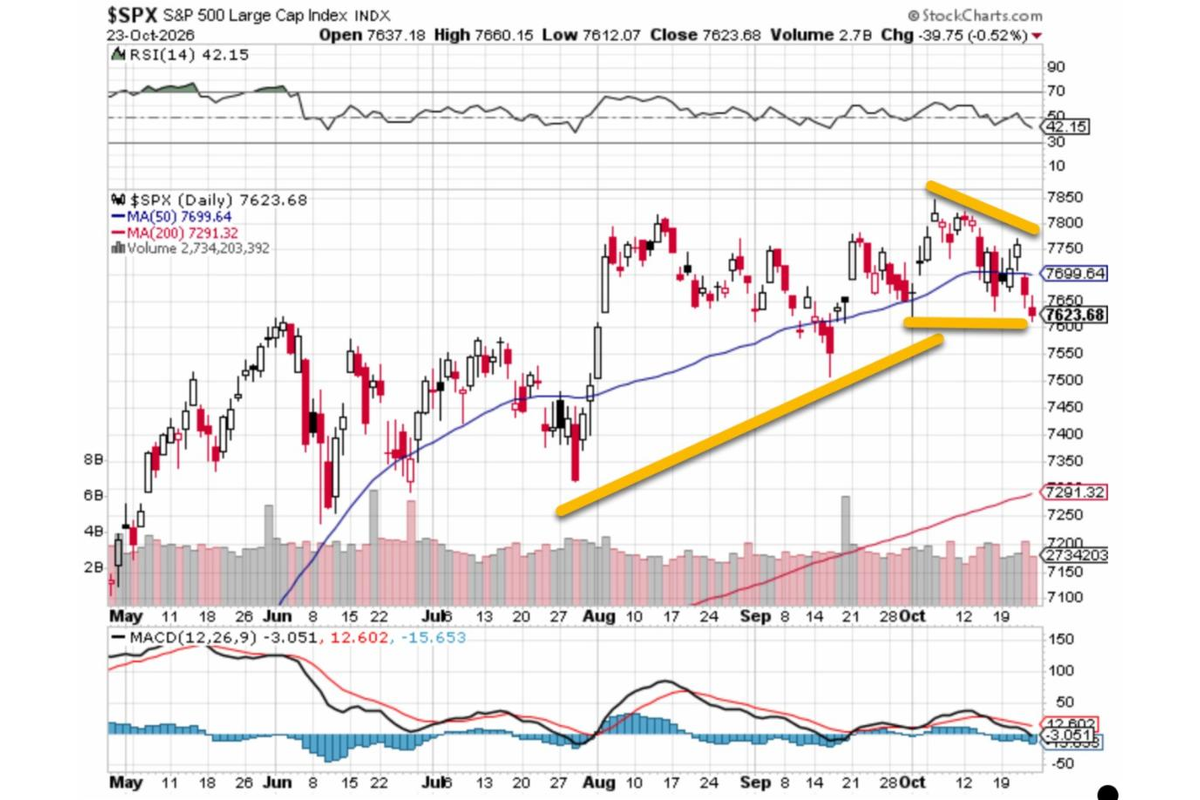
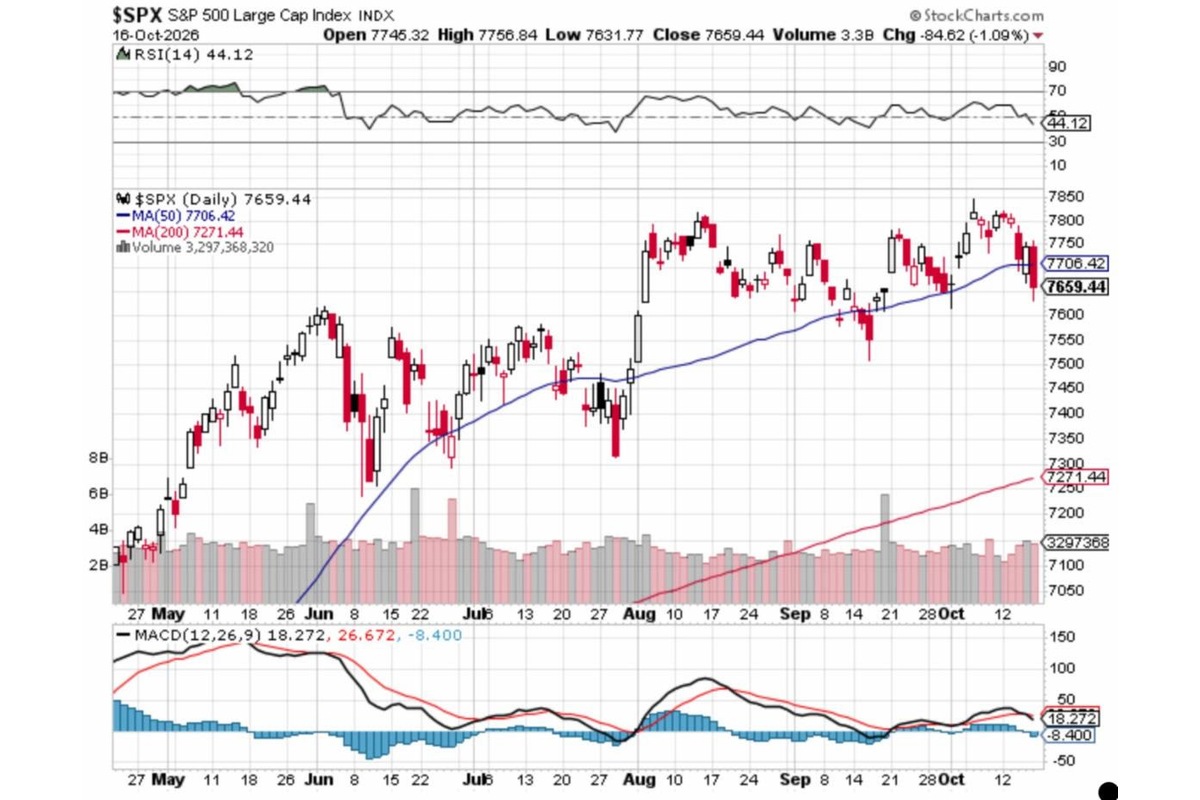
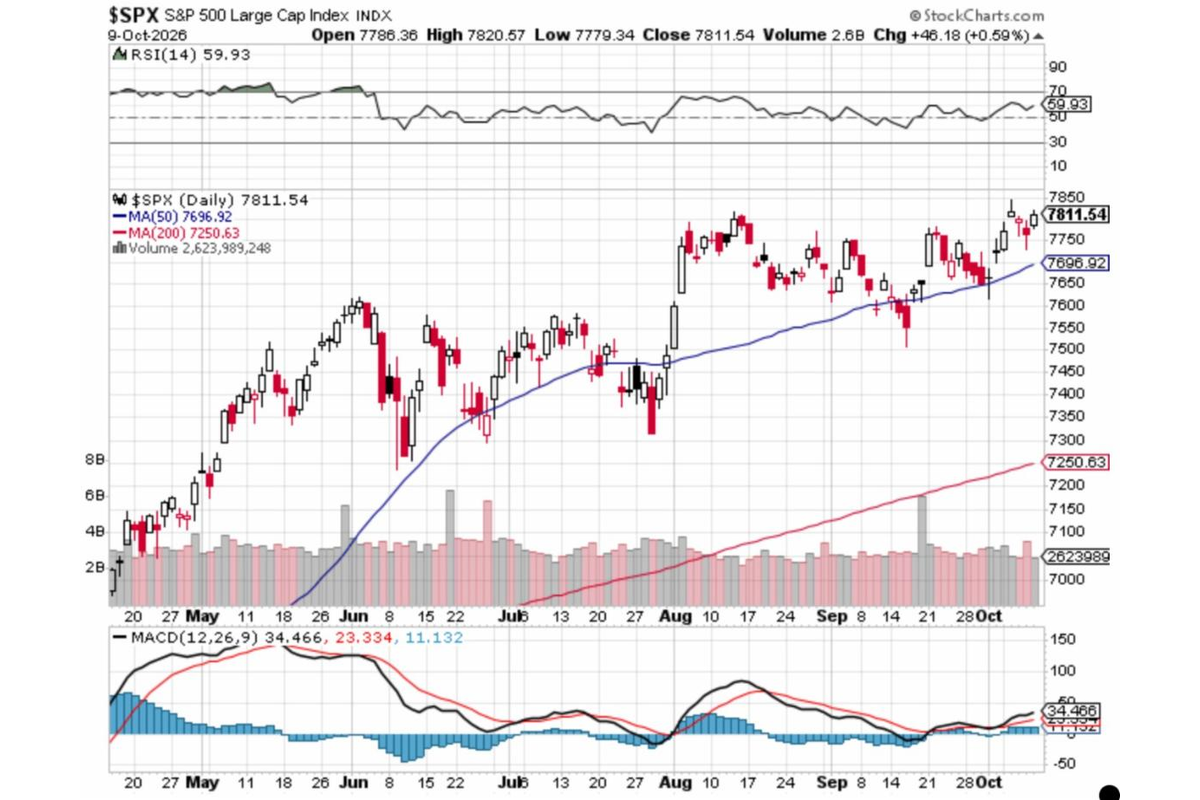
So perhaps as these huge managers work-off their shorts, we're seeing the fuel that's keeping this otherwise-indecisive trend holding together. It sure isn't economics, as is evidenced by many of the charts we've shared. And technicals remain locked in sort of an 'indecision pattern', in what is one of the dullest August ranges in ages.
Comments
Log in or sign up to join the conversation.