

Feverish behavior is not really what's reflected by recent upside. It was a predicted advance following the FOMC's rate hike, for which the President's economic policies provided cover. Also the rally consumed lots of the open interest in shorts, which contributes to mitigating Expiration volatility.

Behind everything that's happened on the upside (besides rotation we have constantly described as formerly-dormant stocks finding new life) is what I've described as a compelling 'material shift' in confidence measures (the animal spirits) and expectations for 'capital expenditures', which have been slow for such a long time. The easing of the regulatory environment helps that too.

A business-friendly environment is a good part of what drives this, given the confusion so many analysts and pundits have in understanding how this is occurring within the context of a divided and sometimes hostile citizenry.
So sure, you have too much anticipation for getting everything done rapidly and sequencing this is a challenge. That's why I've suggested that if delays push tax-reforms into next year rather than this year (almost too late for any to be retroactive to Jan. 1 of this year), it will enhance the market's reluctant ability to decline.

That means there is 'execution risk' surrounding policy proposals that aren't even codified in formal Bills, much less ready for implementation. The extent of delays will contribute to the depth and duration of coming contractions for the S&P (for-instance). If we can get comprehensive tax reform even later this year; that's very pro-growth and would help the market's recovery 'after' the impending corrective prospects.
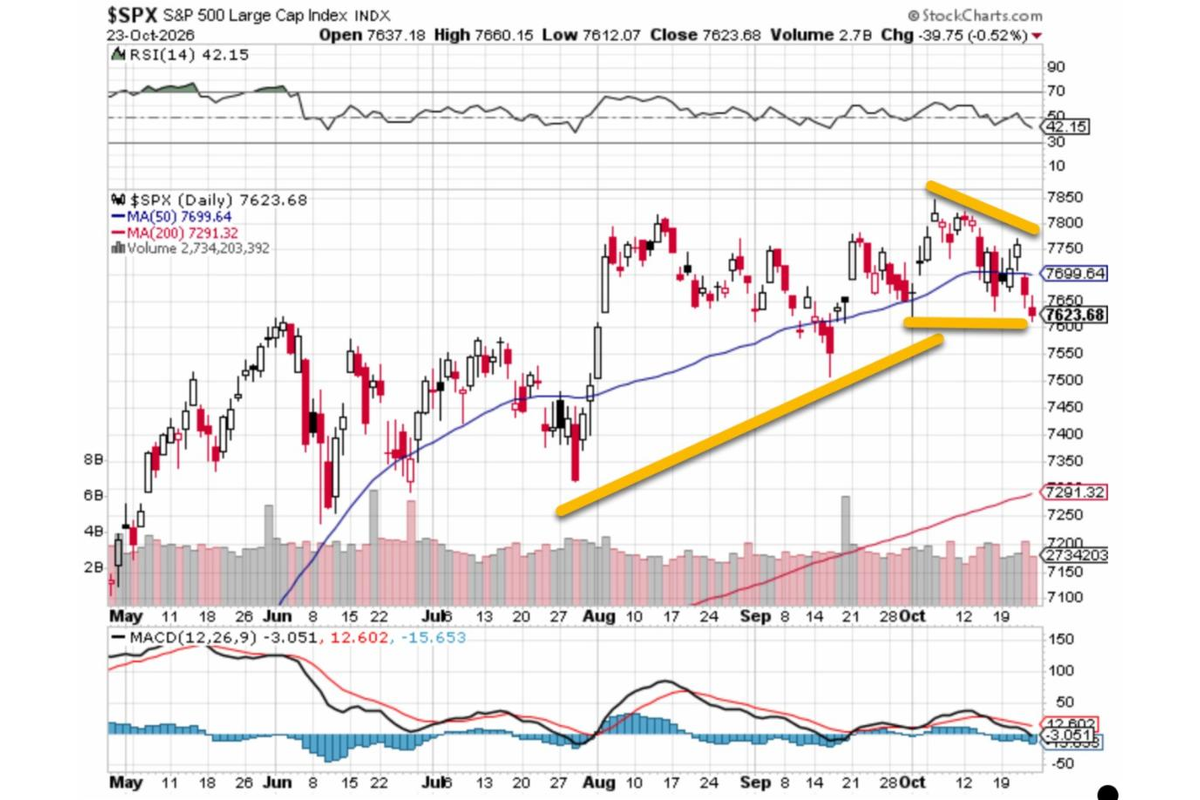
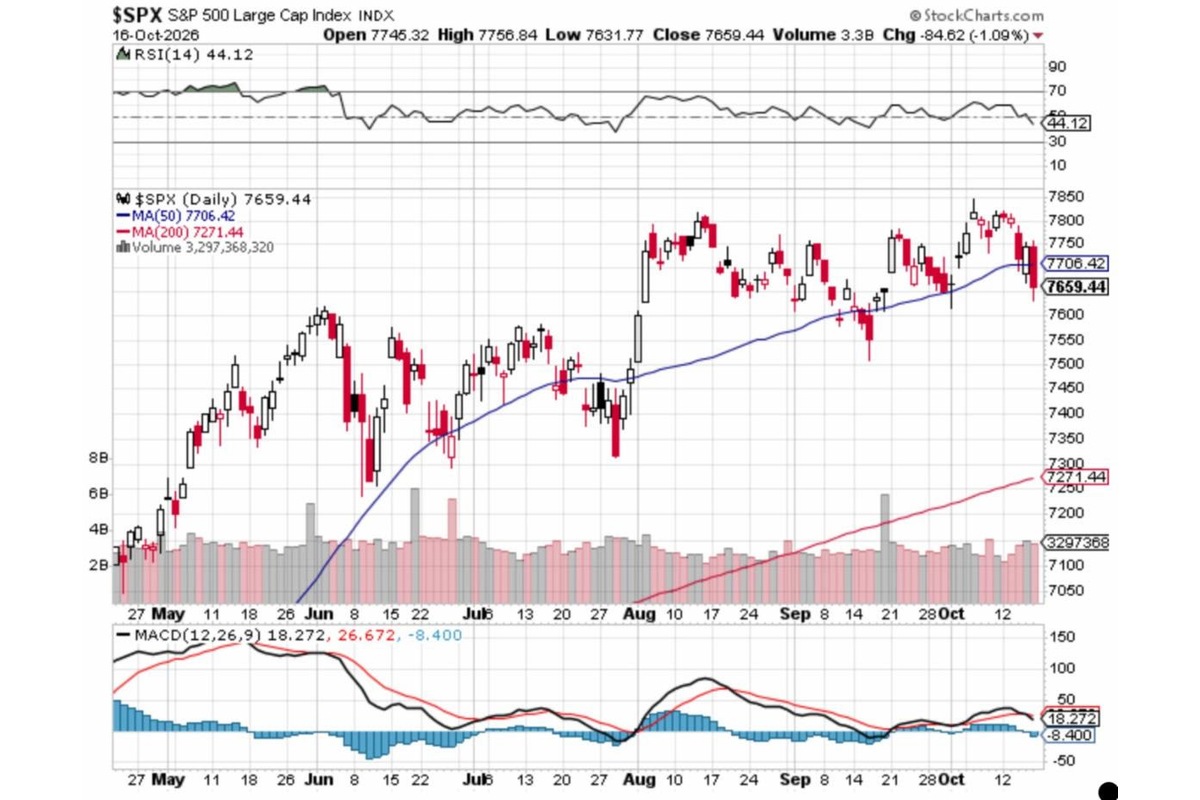
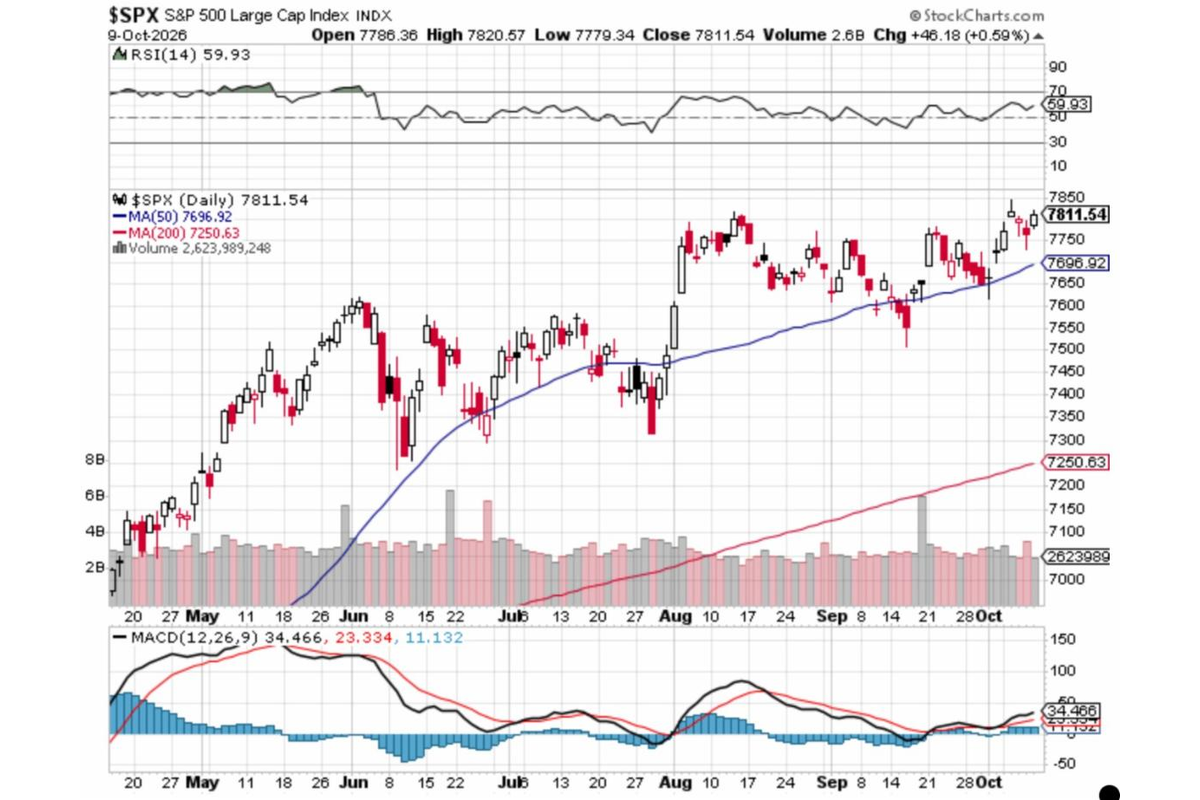
In-sum: The week's pattern is unfolding very much as anticipated; including the Thursday consolidation that didn't get out-of-hand at all. It's hard to say how much buying power / short-covering potential remains outstanding; at the same time as the market can be poised both to rally a bit more then get into trouble, even as more analysts either blame the Fed for the rally (they are wrong; it was expected and logically handled; to get off emergency low rates).

Perhaps some of this relates to upcoming 'pension fund repositioning', and maybe the institutional guys were praying for a big decline so they could get a bit better value. Or maybe they'll be compelled to shuffle around at higher levels than they would prefer; setting-the-stage for an ensuing decline.
Daily action has anticipated what has happened; and the projections for a forward shuffle that ultimate leads into a corrective pattern in April-May isn't unrealistic at all. Whether it starts next week or sometime during the period of 'pension rebalancing' in April's first half is less relevant than the idea for the next 'meaningful' move to be a setback in the S&P; barring an Oil rally.

The 'depth and breadth' of a correction will be somewhat dependent on the sequencing of Government policies that the market is depending upon in the final analysis, to keep this 'faith-based' (business optimism) move alive. The fact that Wall Street (mostly Goldman guys) is thoroughly planted in many of the Administrations is both reassuring to business as well as problematic 'if' they really get lax on regulatory compliance.

On the other hand they know a thing or two about finance, so contrary to all the media focus on Russia, Trump Tower surveillance (an issue or not); or a continued fracas over healthcare; the reality is that the financial stewards at this point are absolutely not reflective of radical right or left philosophies, but of a business-bent. That's what Washington is about now, and that's a huge part of why the market's at this level. So one might mitigate the 'noise' (even though the issues matter) in the mainstream media, as the real story is Wall Street's influence in Washington and the promise of lots of private-sector as well as corporate help, reform, capital repatriation, and tax 'adjustments'.

Again it's the timing of all that which will determine how deep a pullback will likely be, not whether or not there's going to be a rough patch, which in our thinking is going to occur initially during the April-May time-frame. Ideally it's not going to be catastrophic, nor relate to the permabear arguments clearly prevalent (for months throughout the foreast Trump rally), which they surely will jump upon 'as if' that's why the market declined. Sure things can happen and will, but the market will be due for a retrenchment 'anyway'.
Comments
Log in or sign up to join the conversation.