

Compare manual cutting tools and CNC tools to understand their differences, advantages, applications, and how modern industries choose the best machining tools.
Manual vs CNC Tools: Differences, Benefits & Uses Explained
The manufacturing industry has evolved in a pretty major way, especially after advanced machining technologies showed up. For years and years, manual cutting tools were the go-to option for workshops and even for small-scale production units. Still, as the demand keeps rising for accuracy, speed, and a more automated workflow, CNC technology becomes, kind of, a central part of modern machining.
A CNC tool is created to boost output; it supports precise cutting operations through computer-controlled machines. Even though manual tools still matter in many settings, CNC-based solutions tend to deliver clear advantages for industries dealing with tricky geometries or simply higher-volume production targets.
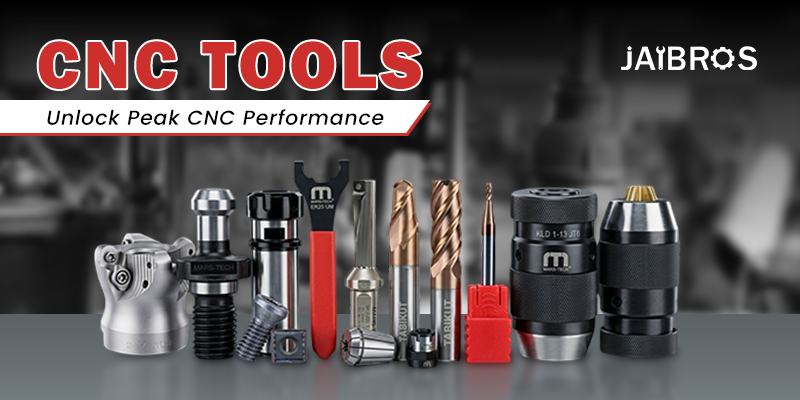
This article goes over the main contrasts between manual cutting tools and CNC systems, including their benefits, typical applications, and what manufacturers should consider when picking the right option for their own needs.
Understanding manual cutting tools is kind of old school, but it still matters.
These manual cutting tools are machining tools that a skilled worker operates directly, so movement, cutting speed adjustment, and measurement accuracy are really in the hands, not in the machine. People have used them in workshops for a long time because they tend to be straightforward, affordable, and relatively simple to run, yes, even when schedules get busy.
Some common examples are hand saws, files, drills, reamers, and those traditional turning tools. In practice, they work well for repair tasks, smaller production runs, and situations where automation isn’t really required or doesn’t make sense. You know, when a project is specific,or the part is unusual.
The biggest plus of manual tools is the low upfront investment. Small businesses and local workshops can begin work without paying for costly machinery. They also offer a kind of flexibility for custom jobs, where the operator needs hands-on control during the cutting phase, instead of relying on preset motions.
Still, manual machining relies a lot on the operator’s competence. Getting repeatable accuracy can be tough, particularly when the run size is large, or when many components have to match closely.
What Are CNC Tools?
CNC tools are specialized cutting tools used with computer numerical control machines. These tools work with programmed instructions that control machine movements, cutting speed, depth, and accuracy.
A CNC tool allows manufacturers to complete complicated machining operations with better consistency compared to manual methods. These tools are commonly used in industries such as automotive, aerospace, medical equipment, and engineering manufacturing.
Different types of CNC machine setups are available depending on machining requirements. These include CNC milling machines, CNC turning machines, CNC drilling machines, and CNC grinding machines. Each machine uses specific cutting tools designed for different materials and applications.
Modern CNC tools include products such as carbide drills, thread mill cutters, milling cutters, turning inserts, and other precision machining accessories.
Difference Between Manual Cutting Tools and CNC Tools
1. Accuracy and Precision
One of the biggest differences between manual cutting tools and CNC tools is accuracy. Manual machining depends on the operator’s experience and concentration. Even skilled workers may experience small variations during production.
CNC machining provides higher precision because computer programs control every movement. This makes it easier to manufacture identical components with minimal errors.
2. Production Speed
Manual cutting processes usually require more time because every operation is performed by the operator. For small jobs, this may not be a problem, but large-scale production can become slower.
CNC systems are designed for faster production. Once programming is completed, machines can perform repeated operations efficiently, reducing production time and increasing output.
3. Skill Requirements
Manual tools require operators with strong technical knowledge and years of machining experience. Workers must understand measurements, cutting techniques, and machine handling.
CNC machines require programming knowledge and technical understanding. Although operators need training, automation reduces dependency on manual control.
4. Cost Factors
Manual cutting tools have lower purchasing costs and are suitable for businesses with limited budgets. Maintenance requirements are also generally simple.
CNC tools and machines require higher investment initially. However, the increased productivity, reduced material waste, and improved accuracy can provide better long-term returns.
Types of CNC Machine Applications
Industries use different types of CNC machine technologies based on their production needs.
CNC milling machines are commonly used for creating complex shapes, slots, and detailed components. CNC turning machines are preferred for cylindrical parts and precision shafts. CNC drilling machines are used for creating accurate holes in different materials.
Manufacturers select suitable CNC tools according to the machine type, material being processed, and required finish quality.
For example, a carbide drill is commonly used for high-speed drilling applications because it provides durability and excellent cutting performance. Similarly, a thread mill is used for producing accurate internal and external threads with better control.
Advantages of Using CNC Tools
Using advanced machining solutions provides several benefits for manufacturers.
Improved Productivity
CNC machining allows continuous operations with minimal manual intervention. This helps industries complete large orders within shorter deadlines.
Better Quality Control
Since machining movements are controlled digitally, CNC systems maintain consistent quality throughout production. This is especially important for industries where small errors can affect product performance.
Reduced Material Waste
Accurate cutting operations help reduce mistakes and unnecessary material usage. This improves cost efficiency and supports sustainable manufacturing practices.
Complex Manufacturing Capability
Modern designs often require detailed machining processes that are difficult to achieve manually. CNC technology makes it possible to manufacture complex components with high precision.
How to Choose the Right Cutting Solution?
Choosing between manual tools and CNC solutions depends on several factors, including production volume, budget, material type, and accuracy requirements.
For small repair jobs and simple applications, manual cutting tools can be a practical choice. They are easy to use and require less investment.
For industries handling continuous production and precision components, selecting a CNC tool can provide better efficiency and reliability.
Manufacturers should also consider tool quality, durability, and supplier reputation before making a purchase. Searching for options like CNC tools near me can help businesses find reliable suppliers and service providers in their region.
Importance of Quality CNC Tools
The performance of machining operations depends greatly on the quality of cutting tools being used. Low-quality tools can result in poor surface finish, increased downtime, and higher replacement costs.
Choosing the best CNC tools ensures better cutting performance, longer tool life, and improved productivity. High-quality materials such as carbide are commonly preferred because they offer excellent hardness and resistance against wear.
Many manufacturers now prefer purchasing CNC tools online because it provides access to a wide range of products, specifications, and technical information.
Along with machining tools, accurate measurement equipment is also important. A digital caliper vernier helps operators check dimensions accurately and maintain quality standards during production.
Future of Machining: Manual vs CNC
Although manual tools will continue to be useful for certain applications, the demand for automation is increasing rapidly. Industries are adopting CNC technology to improve production efficiency and meet strict quality requirements.
A CNC will continue to play an important role in future manufacturing because industries require faster production, higher accuracy, and reduced operational costs.
However, manual skills will remain valuable because experienced machinists understand materials, machining behavior, and troubleshooting techniques.
The combination of skilled workers and advanced CNC technology creates a balanced approach for modern manufacturing.
Conclusion
The choice between manual cutting tools and CNC technology depends on production requirements, budget, and desired accuracy. Manual tools remain useful for small jobs, while automated machining solutions provide better efficiency for modern industries.
For businesses looking for reliable machining solutions, Jaibros offers a wide range of high-quality cutting and measurement products, including CNC tools, carbide drill solutions, thread mill products, and precision measuring instruments. With a focus on quality and performance, Jaibros helps manufacturers improve their machining processes and achieve better production results.
Comments
Log in or sign up to join the conversation.