

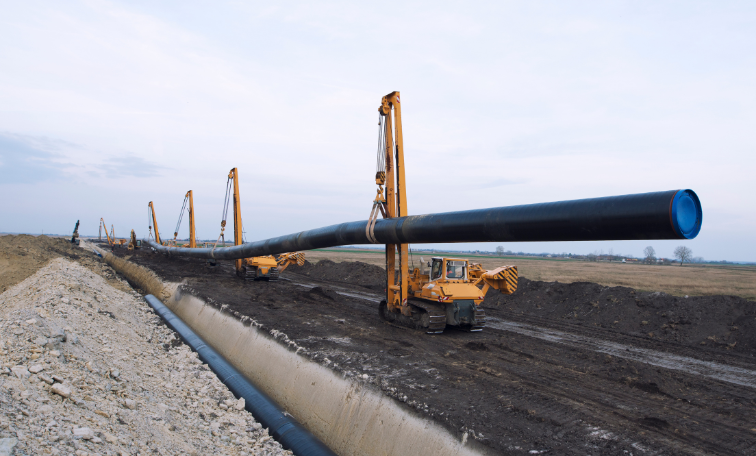
Infrastructure development is often associated with visible structures such as roads, bridges, commercial buildings, and transportation facilities. However, some of the most important components of modern development remain hidden beneath the surface. Utility networks, particularly pipeline systems, form the foundation of efficient urban and industrial operations by supporting water distribution, drainage, and other essential services.
As cities continue to grow and infrastructure projects become increasingly complex, effective pipeline planning has become more important than ever. A well-planned pipeline network can support long-term development goals, improve operational efficiency, and reduce future maintenance challenges. On the other hand, poor planning can lead to costly delays, service disruptions, and significant infrastructure conflicts.
Understanding the role of strategic pipeline planning helps developers, engineers, and project stakeholders create infrastructure systems that deliver lasting value and support sustainable growth.
Why Pipeline Planning Matters
Pipeline systems are essential to modern communities. They transport resources, support public services, and enable the operation of residential, commercial, and industrial developments.
Because these networks are typically installed underground, correcting mistakes after construction can be difficult and expensive. Careful planning helps identify potential challenges before construction begins, reducing risks and improving project outcomes.
Effective planning also ensures that utility systems can accommodate future growth while maintaining reliable performance.
Building Infrastructure for Long-Term Demand
Infrastructure projects are expected to serve communities for decades. Pipeline networks must therefore be designed with future requirements in mind rather than focusing solely on immediate needs.
Population growth, economic expansion, and urban development can significantly increase service demands over time. Forward-thinking planning helps ensure that infrastructure remains capable of meeting these evolving requirements.
Understanding Site Conditions Before Construction
Every project location presents unique challenges that influence pipeline design and installation methods. Soil conditions, groundwater levels, topography, and existing infrastructure all affect project planning.
Comprehensive site assessments provide valuable information that helps engineers make informed decisions. Understanding local conditions reduces uncertainty and supports more efficient construction processes.
Thorough evaluations also help identify environmental considerations and potential construction constraints.
The Importance of Geotechnical Analysis
Subsurface conditions play a major role in pipeline performance. Weak soils, unstable ground, or challenging geological formations can affect installation procedures and long-term reliability.
Geotechnical investigations help determine the most suitable construction techniques while reducing the likelihood of future structural issues.
Coordinating Infrastructure Systems
Modern developments involve multiple infrastructure components that must function together effectively. Roads, utility corridors, drainage systems, telecommunications networks, and public facilities often share limited space.
Successful pipeline planning requires coordination among various project teams to prevent conflicts and optimize land use. Integrating infrastructure systems during the planning phase improves efficiency and reduces costly redesigns later.
Collaboration helps ensure that each component supports broader development objectives.
Minimizing Utility Conflicts
Underground environments can become crowded as cities expand. Existing utility lines, transportation infrastructure, and future development plans must all be considered during project design.
Careful coordination helps avoid conflicts that could delay construction or create operational challenges in the future.
Improving Construction Efficiency
Well-organized planning contributes directly to construction efficiency. When project requirements are clearly defined and potential obstacles have been addressed in advance, construction activities can proceed more smoothly.
Efficient planning supports accurate scheduling, resource allocation, and cost management. It also helps reduce disruptions to surrounding communities and existing infrastructure.
Projects that prioritize preparation often experience fewer delays and better overall outcomes.
Reducing Unexpected Challenges
Unexpected issues can significantly impact infrastructure projects. Delays, redesign requirements, and unforeseen site conditions may increase costs and extend schedules.
Comprehensive planning reduces these risks by identifying concerns early and developing appropriate mitigation strategies.
Supporting Sustainable Development
Sustainability has become a key priority in modern infrastructure planning. Developers and public authorities increasingly seek solutions that balance performance, resource efficiency, and environmental responsibility.
Well-designed pipeline systems contribute to sustainability by supporting efficient resource management and reducing operational waste. Durable infrastructure also minimizes the need for frequent repairs and replacements.
These benefits align with broader goals related to long-term environmental stewardship and responsible development.
Enhancing Resource Efficiency
Efficient utility systems help reduce resource losses and improve operational performance. Infrastructure that functions reliably over extended periods supports both economic and environmental objectives.
By prioritizing quality planning and design, project teams can create systems that deliver long-term value while minimizing environmental impact.
Managing Risks Throughout the Project Lifecycle
Every infrastructure project involves risks. Construction challenges, environmental factors, regulatory requirements, and operational concerns all require careful consideration.
Pipeline planning provides a framework for identifying and managing these risks effectively. Proactive risk management helps improve project predictability and supports successful execution.
Addressing potential issues during planning is often more effective and less expensive than resolving them after construction has begun.
Maintaining Compliance and Quality Standards
Infrastructure projects must comply with various technical and regulatory requirements. Meeting these standards helps ensure safety, reliability, and long-term performance.
Planning processes often include quality assurance measures designed to support compliance and reduce operational risks.
The Relationship Between Utility and Transportation Infrastructure
Pipeline networks and transportation systems are closely connected. Utility corridors frequently run alongside roads, highways, and other transportation assets.
Coordinating these systems helps maximize efficiency and reduce construction conflicts. Many major developments integrate utility planning with broader infrastructure strategies to create more cohesive and functional environments.
In large-scale projects, Road Marking Contractors In Dubai may contribute to transportation improvements that complement utility installations and support overall infrastructure performance.
Creating Integrated Development Solutions
Successful infrastructure projects consider how different systems interact with one another. Roads, utilities, and public services must work together to support community needs.
Integrated planning improves functionality and contributes to more sustainable urban growth.
The Importance of Professional Expertise
Complex infrastructure projects require specialized knowledge and experience. Engineers, planners, contractors, and project managers each play important roles in ensuring successful outcomes.
Large-scale developments often involve Pipeline Construction In Dubai that demands careful coordination, technical precision, and adherence to performance standards. Professional expertise helps ensure that projects meet both current requirements and future expectations.
Experienced project teams can also adapt to changing conditions while maintaining quality and efficiency throughout the construction process.
Delivering Reliable Infrastructure
Reliable utility systems are essential to modern development. Their performance affects public services, commercial operations, and overall quality of life.
Professional planning and execution help create infrastructure networks that remain dependable over the long term while supporting future growth.
Preparing for Future Urban Expansion
Cities and industrial areas will continue evolving in response to population growth, technological advancement, and economic development. Infrastructure planning must anticipate these changes and provide flexibility for future expansion.
Pipeline systems designed with scalability in mind can adapt more effectively to changing demands. This adaptability helps protect investments and supports sustainable development goals.
Forward-looking planning ensures that infrastructure remains capable of serving communities for decades to come.
Conclusion
Pipeline planning is a critical component of successful infrastructure development. From site assessment and system coordination to sustainability and risk management, every stage of the planning process influences long-term performance and project success.
Well-planned utility networks support efficient operations, reduce future maintenance challenges, and contribute to sustainable urban growth. By investing in strategic planning, technical expertise, and integrated infrastructure solutions, developers and stakeholders can create resilient systems that meet current needs while preparing for future opportunities. Strong pipeline planning today lays the foundation for stronger communities tomorrow.
Comments
Log in or sign up to join the conversation.