
A bacterial infection can develop unexpectedly and affect almost any part of the body. What may begin as a mild sore throat, sinus discomfort, or skin irritation can progress into a more serious condition if the bacteria continue to multiply. Prompt medical evaluation and appropriate treatment are essential to control the infection, relieve symptoms, and reduce the risk of complications. At OnlineGenericMedicine, we are dedicated to providing reliable healthcare information that helps patients understand the medicines commonly prescribed for bacterial infections. Among these treatments, Augmentin Tablet is recognized for its combination of amoxicillin and clavulanate potassium, offering broad-spectrum antibacterial activity against many disease-causing bacteria.
Recognizing the Signs of a Bacterial Infection
Not every infection is caused by bacteria, which is why identifying the underlying cause is important before starting treatment. Bacterial infections often produce symptoms such as persistent fever, sore throat, ear pain, sinus pressure, productive cough, painful urination, swelling, redness, or localized pain. Depending on the affected organ, these symptoms may gradually worsen if medical attention is delayed.
Healthcare professionals evaluate a patient's symptoms, medical history, and, in some cases, laboratory tests to determine whether an antibiotic is necessary. Using antibiotics only when they are truly needed helps preserve their effectiveness and supports responsible medical care.
What Is Augmentin Tablet?
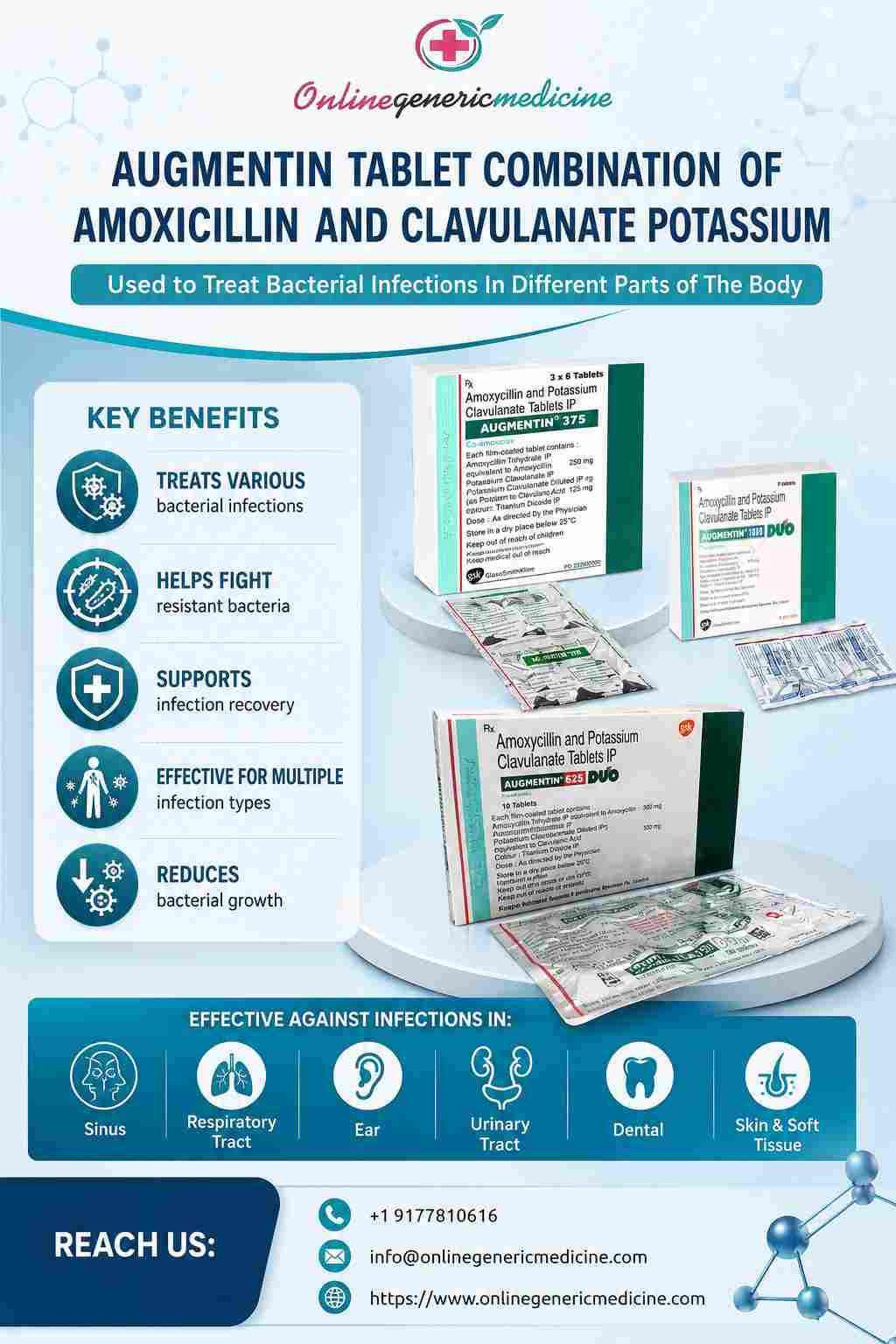
Augmentin Tablet is a prescription antibiotic that combines amoxicillin and clavulanate potassium. This combination is designed to treat bacterial infections that may not respond adequately to amoxicillin alone.
Amoxicillin works by interfering with the formation of the bacterial cell wall, causing the bacteria to break down and die. Clavulanate potassium enhances this action by blocking beta-lactamase enzymes, which some bacteria produce to defend themselves against antibiotics. Together, these two ingredients provide broader antibacterial coverage and improve the medicine's ability to eliminate infection-causing bacteria.
Conditions That May Be Treated
Because of its broad-spectrum activity, Augmentin Tablet is prescribed for a variety of bacterial infections involving different parts of the body. These include infections of the ears, nose, throat, and sinuses, respiratory tract infections such as bronchitis and pneumonia, urinary tract infections, skin and soft tissue infections, dental infections, and selected bone and joint infections.
The choice of treatment depends on the type of bacteria involved and the severity of the infection. Since Augmentin Tablet targets bacteria, it is not suitable for viral illnesses such as the common cold or influenza.
How the Treatment Works
After the medicine is absorbed into the bloodstream, amoxicillin begins attacking susceptible bacteria while clavulanate potassium protects the antibiotic from bacterial enzymes that could reduce its effectiveness. This dual mechanism helps reduce the number of bacteria in the body and allows the immune system to continue the healing process.
As treatment progresses, many patients experience gradual relief from symptoms including fever, pain, swelling, congestion, and discomfort. Although improvement may be noticed within a few days, the prescribed course should always be completed to ensure the infection has been fully treated.
Supporting a Faster Recovery
Recovery from a bacterial infection depends on more than medication alone. Adequate rest, proper hydration, balanced nutrition, and following the prescribed treatment schedule all contribute to successful healing. Taking Augmentin Tablet at the beginning of a meal may help reduce stomach discomfort while improving absorption.
Patients should avoid missing doses or discontinuing treatment without medical advice. Even when symptoms improve, bacteria may still be present, making it important to complete the full course of therapy.
Possible Side Effects
Like many antibiotics, Augmentin Tablet may cause side effects, although they are often mild and temporary. Some people experience nausea, diarrhea, vomiting, mild abdominal discomfort, headache, or a skin rash during treatment.
Serious allergic reactions are uncommon but require immediate medical attention. Symptoms such as swelling of the face, difficulty breathing, severe skin reactions, or persistent diarrhea should always be evaluated promptly by a healthcare professional.
Important Safety Considerations
Before taking Augmentin Tablet, patients should inform their healthcare provider about any allergies to penicillin antibiotics, kidney or liver disease, or previous reactions to antibiotics. Pregnant or breastfeeding women should seek professional medical advice before starting treatment.
Sharing antibiotics with others or using leftover medication for a new illness is not recommended, as different infections require different treatment approaches.
Conclusion
Augmentin Tablet, containing amoxicillin and clavulanate potassium, is a widely used combination antibiotic for treating bacterial infections affecting different parts of the body. Its dual-action formula helps overcome certain bacterial resistance mechanisms while effectively eliminating susceptible bacteria. When used under the guidance of a healthcare professional and combined with healthy recovery practices, Augmentin Tablet can play an important role in managing bacterial infections and supporting a safe, complete recovery.
Comments
Log in or sign up to join the conversation.