
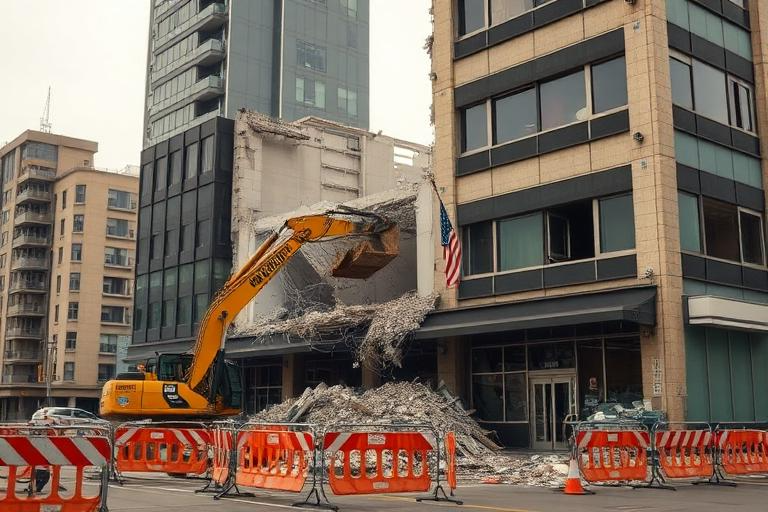
When undertaking a massive interior demolition Toronto project in Toronto, it is easy to focus on the dramatic visuals of swinging wrecking balls and crumbling drywall. However, beneath the surface, hidden within the walls and beneath the floors, lies a complex network of vital systems that demands the utmost respect and care. The plumbing pipes that carry water and waste, and the electrical wiring that powers the space, are not merely obstacles to be smashed through. They are the central nervous system and circulatory system of the building, and damaging them during demolition can transform a straightforward project into a costly and dangerous nightmare. Proper care for these systems requires a methodical, informed approach that prioritizes safety, prevents extensive property damage, and ensures that the path is clear for the new construction to follow.
The Critical First Step: Professional Utility Disconnection
Before any hammer swings or any debris falls, the absolute first order of business in a responsible demolition is the safe and complete disconnection of all utilities. This is not a task for a general laborer; it is a job for licensed professionals. A qualified electrician must be brought in to identify and disconnect all power sources serving the areas marked for demolition . This goes beyond simply flipping a circuit breaker; it involves ensuring that wires are properly terminated and capped to prevent any risk of shock or fire. Simultaneously, a licensed plumber must shut off the water supply and safely drain all pipes within the demolition zone . Rushing this step or attempting a DIY approach can lead to catastrophic consequences, including electrical fires, electrocution, or sudden, uncontrolled flooding that can damage lower floors and neighboring properties.
Navigating Hazardous Materials: Asbestos and Lead
In a city with Toronto's rich architectural history, a mammoth interior demolition project often means encountering buildings constructed long before modern environmental regulations. This introduces a critical layer of complexity: hazardous materials. Any structure built before 1990 has a significant likelihood of containing asbestos in insulation, tile adhesives, or drywall joint compound, as well as lead-based paint on walls and trim . These materials pose severe health risks if their fibers or dust become airborne during demolition. A responsible demolition plan must include a thorough hazardous materials assessment before any work begins. If asbestos or lead is present, it cannot be handled through ordinary demolition; it requires specialized abatement crews who are trained and certified to contain and remove these substances safely, protecting both the workers and the building's future occupants .
Mapping the Unknown: Locating Hidden Lines and Conduits
Even after utilities are officially disconnected, the demolition crew is not yet free to swing a sledgehammer with abandon. Walls and floor assemblies often contain a chaotic web of abandoned wires, old gas lines, and conduits that may still be connected to other parts of the building. A crucial step in plumbing and electrical care is the careful mapping of these hidden elements. Experienced demolition teams use techniques like x-raying concrete slabs or using stud finders and borescopes to peer inside wall cavities before opening them up. This reconnaissance allows them to distinguish between live systems that have been properly decommissioned and dead lines that can be safely removed. Accidentally cutting into an unknown live line can derail an entire project timeline and create a serious safety hazard.

The Art of Selective Demolition and Caping
Once the walls are open and the systems are exposed, the work transitions to what is known as selective demolition. This is the painstaking process of removing only what is necessary while preserving elements that may be reused or that serve other parts of the building. For plumbing, this means that once a pipe is cut, it must be properly capped to prevent sewer gases from venting into the workspace . For electrical systems, it involves removing wiring from studs and terminating circuits in junction boxes that remain accessible. This is not about brute force; it is about surgical precision. The goal is to clear the path for new construction while ensuring that the systems remaining in the standing part of the building are safe, secure, and sealed.
Protecting What Remains: Temporary Capping and Boarding
During a mammoth demolition project, the construction site is a harsh environment filled with heavy equipment, falling debris, and clouds of dust. Any plumbing or electrical infrastructure that is being temporarily retained must be robustly protected. Exposed pipe threads can be damaged by impact, and open electrical panels can become filled with gypsum dust. Professional crews take the time to install temporary protective caps on pipe stub-outs and to wrap or box in valuable mechanical components. Furthermore, any floor drains or plumbing fixtures that remain in service must be covered and sealed to prevent construction debris from entering and clogging the drainage system. This proactive protection saves immense amounts of time and money by preventing the need to snake drains or repair damaged threads after the dust has settled.
The Importance of Third-Party Inspections
In Toronto, the care taken with plumbing and electrical systems during demolition is not just a matter of best practice; it is a matter of law. The City of Toronto requires specific inspections at various stages of construction, and this includes the rough-in stage for any new plumbing or electrical work . While the demolition itself may not always require a specific inspection, the state of the exposed systems often must be reviewed before they are covered up again by new construction. Furthermore, all electrical work in Ontario falls under the purview of the Electrical Safety Authority (ESA) , which requires its own permit and inspection process . Coordinating these inspections ensures that the careful work done to protect and prepare the systems meets the stringent safety codes required for final approval, providing peace of mind that the project is built on a foundation of safety and compliance.
Comments
Log in or sign up to join the conversation.