

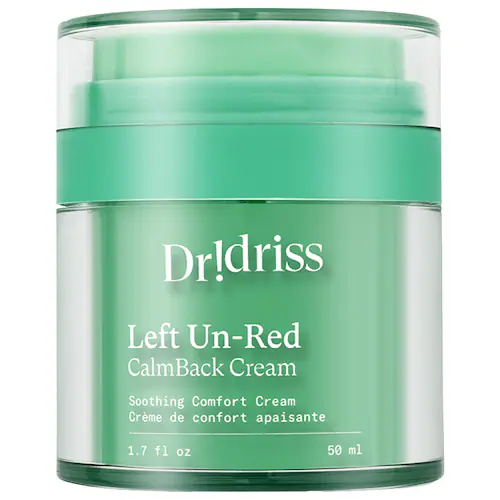
The cosmetics industry is highly visual, making product imagery one of the most influential factors in online purchasing decisions. Since customers cannot physically examine makeup products before buying, photographs must accurately communicate packaging quality, product texture, color, finish, and brand identity. Professional makeup product photography combines controlled studio lighting, precision styling, accurate color management, and advanced retouching techniques to produce images that meet modern eCommerce and advertising standards. Proper lighting and background selection are essential for showcasing product texture, color, and packaging while maintaining consistency across an entire product catalog.
What Is Makeup Product Photography?
Makeup product photography is a specialized area of commercial photography focused on capturing cosmetics such as lipsticks, foundations, mascaras, eyeshadow palettes, blushes, concealers, and skincare products for online stores, advertising campaigns, social media, and print marketing.
Unlike general product photography, cosmetic photography demands greater attention to:
Color accuracy
Reflection control
Texture reproduction
Packaging details
Brand consistency
Lighting precision
The objective is to create visually appealing images while accurately representing the product customers will receive.
Essential Studio Equipment
Professional cosmetic photography begins with a controlled studio environment.
Common equipment includes:
DSLR or mirrorless camera
Macro or prime lens
Heavy-duty tripod
Softboxes or strip lights
Diffusion panels
Reflectors
Color checker card
White seamless background
Using standardized equipment ensures consistency across multiple products and large commercial catalogs.
Lighting Techniques for Cosmetic Products
Lighting is one of the most technically demanding aspects of beauty photography because cosmetic packaging often includes reflective glass, metallic finishes, and glossy plastics.
Soft Diffused Lighting
Soft light minimizes harsh reflections while preserving packaging detail and smooth color transitions.
Backlighting
Backlighting is commonly used for transparent bottles, serums, and liquid cosmetics to emphasize clarity and depth.
Side Lighting
Side lighting enhances product texture and creates dimensional highlights on creams, powders, and makeup swatches.
Controlled Fill Lighting
Reflectors and fill lights reduce unwanted shadows without eliminating natural depth.
Professional lighting setups improve texture visibility while maintaining accurate product color.
Camera Settings for Consistent Results
Maintaining identical camera settings throughout a product shoot improves efficiency and ensures consistent output.
Typical settings include:
ISO 100
Aperture between f/8 and f/16
Manual white balance
Manual exposure
Tripod-mounted camera
Remote shutter release
These settings maximize sharpness while preserving consistent exposure across every product image.
Product Styling Best Practices
Preparation before photography significantly affects the final image quality.
Professional styling includes:
Cleaning fingerprints
Removing dust particles
Straightening labels
Aligning packaging
Positioning products consistently
Selecting complementary props when appropriate
Attention to these details minimizes post-production work and creates a polished appearance.
Capturing Texture and Product Details
Consumers often rely on close-up images to evaluate cosmetic products.
Common detail shots include:
Lipstick texture
Foundation swatches
Powder pigmentation
Cream consistency
Serum droplets
Brush applicators
These images provide valuable visual information that supports purchasing decisions and improves customer confidence.
Post-Production Workflow
Professional editing is an essential stage of makeup product photography.
Typical editing tasks include:
Background cleanup
Color correction
Exposure balancing
Reflection removal
Dust and scratch retouching
Label alignment
Shadow refinement
Web optimization
The objective is to improve presentation while maintaining an accurate representation of the product.
Benefits for Cosmetic Brands
High-quality cosmetic photography offers several commercial advantages.
These include:
Consistent branding
Improved product presentation
Better customer confidence
Accurate color representation
Professional eCommerce listings
High-quality advertising assets
Consistent imagery across digital platforms strengthens brand recognition and enhances the overall customer experience.
Common Technical Challenges
Cosmetic products present unique photography challenges, including:
Reflective packaging
Transparent containers
Metallic finishes
Accurate shade reproduction
Small product sizes
Consistent lighting across multiple SKUs
Addressing these challenges requires careful lighting control, proper lens selection, and standardized studio workflows.
Conclusion
Professional makeup product photography combines technical expertise with creative precision to produce images that accurately represent cosmetic products across digital and print platforms. Through controlled lighting, standardized camera settings, thoughtful styling, and meticulous post-production, brands can showcase product quality while maintaining consistency throughout their catalogs. As online beauty sales continue to expand, technically accurate product imagery remains essential for building customer trust and improving the overall shopping experience. Businesses seeking premium commercial imagery often work with a product photographer in NYC. A structured photography workflow ensures consistent visuals, accurate color reproduction, and professional-quality images that support successful beauty and cosmetics marketing.
Comments
Log in or sign up to join the conversation.