
The term “luxury rehab” often conjures images of palm trees, infinity pools, and spa robes. And yes, those things exist. But to focus only on the amenities would be to miss the entire point of premium addiction care. What truly sets luxury rehab recovery centers apart is not the thread count of the sheets, but the depth, intensity, and personalization of the treatment itself. When you or a loved one is struggling with substance use, the environment where you heal matters enormously. A stressed, underfed, sleep-deprived person in a cramped shared room is simply less likely to engage deeply with therapy than someone resting in a private suite with nutritious meals, fresh air, and round-the-clock support. Luxury rehab removes the everyday distractions and discomforts so that you can pour every ounce of energy into the hard, beautiful work of recovery.
The Admissions Process Is Private, Respectful, and Surprisingly Simple
Walking through the doors of any treatment center takes tremendous courage, and luxury rehabs honor that bravery from the very first phone call. Instead of a cold intake line or a long waiting list, you will typically speak with a trained admissions coordinator who treats you like a person, not a case number. Many high-end centers offer same-day or next-day admission, and some will even arrange private medical transport—think luxury car service or a first-class flight—to bring you to the facility. The paperwork is kept to a minimum, and your clinical team will have already reviewed your medical history and substance use patterns before you arrive. For professionals worried about taking time off work, many luxury rehabs also offer a “low-touch” admissions process where most initial assessments happen remotely. The goal is to reduce every possible barrier between you and healing, starting with a respectful, human conversation.
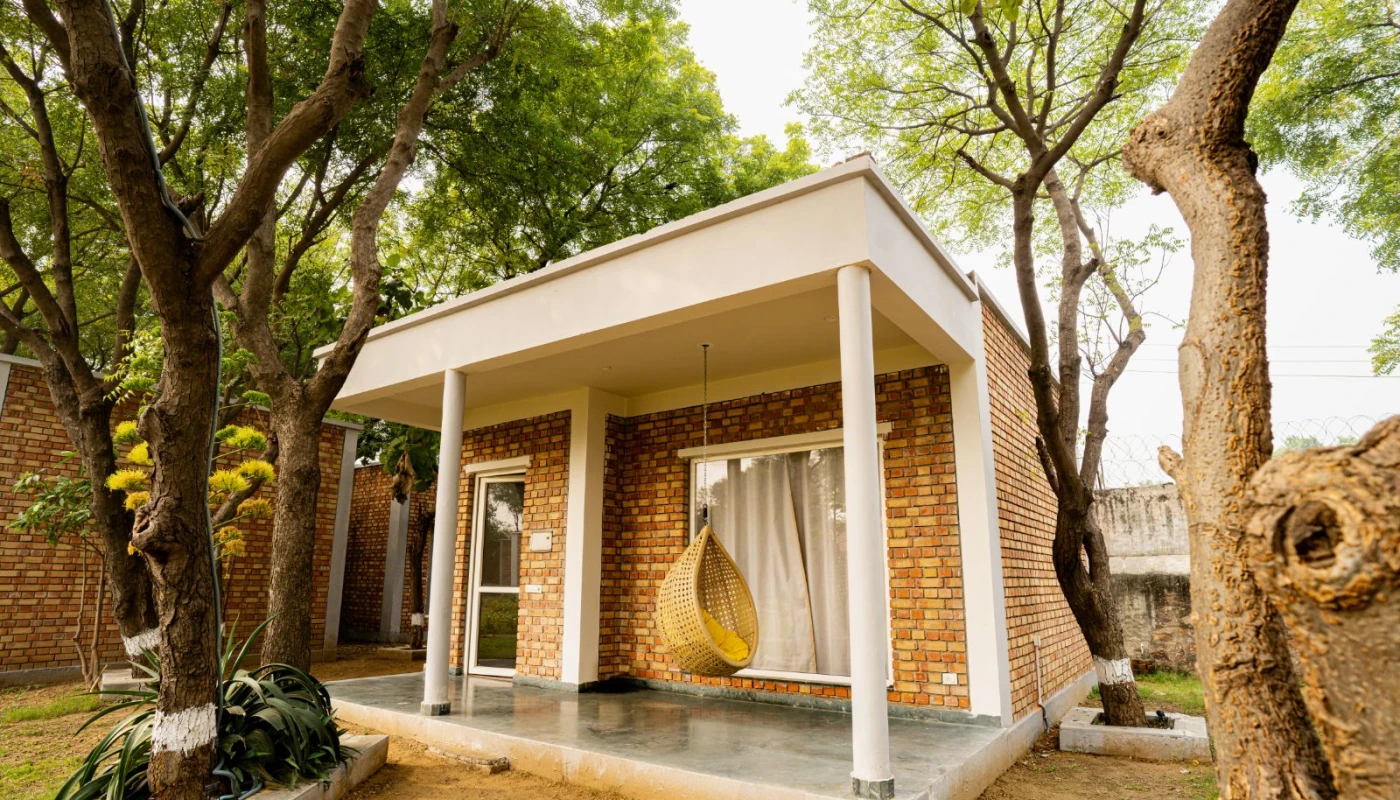
Your Living Environment Becomes a True Sanctuary for Healing
Forget everything you have seen in movies about rehab. A luxury rehab recovery center looks and feels more like a boutique hotel or a private wellness retreat. Your private room will likely include a king-sized bed, high-quality linens, a large bathroom with premium toiletries, and a workspace with high-speed internet if you need to handle urgent matters. Common areas might feature fireplaces, libraries, gourmet coffee bars, and media rooms. The grounds are equally important—think walking trails, meditation gardens, swimming pools, and outdoor lounges with stunning views of mountains, oceans, or forests. This environment is not about indulgence for its own sake. Research increasingly shows that access to nature, natural light, quiet spaces, and physical comfort reduces cortisol levels and improves treatment outcomes. When your body feels safe and cared for, your mind becomes far more willing to do the vulnerable work of unpacking trauma and reshaping behaviors.
Clinical Care That Is Truly One-on-One and Unrushed
Standard treatment facilities often rely heavily on group therapy, partly because it is cost-effective. Luxury rehab flips that model. You can expect multiple individual therapy sessions each week, often daily, with a primary therapist who knows your story inside and out. These sessions are not limited to rigid fifty-minute hours; if you are in the middle of a breakthrough, your therapist will stay with you. The therapeutic approaches are also more varied and sophisticated. Alongside cognitive behavioral therapy and motivational interviewing, you might receive EMDR for trauma, somatic experiencing, or psychodrama. Many luxury centers also employ psychiatrists who can manage complex medication needs, including dual diagnoses like bipolar disorder or severe anxiety. Because the staff-to-client ratio is extremely low—sometimes one-to-one—your care team can meet multiple times daily to adjust your treatment plan on the fly. If a particular approach is not working, they will know immediately and pivot, rather than waiting for a weekly team meeting.

Holistic and Experiential Therapies That Rebuild Joy from the Inside Out
Getting sober is about more than stopping substance use. It is about relearning how to experience pleasure, connection, and meaning without a chemical crutch. Luxury rehab centers excel at providing a wide menu of holistic and experiential therapies designed to do exactly that. You might start your morning with private yoga or tai chi overlooking a lake, followed by equine therapy where you learn about trust and boundaries from a horse. Afternoons could include art therapy, music therapy, or horticultural therapy (gardening). Evening wind-downs might involve acupuncture, massage, or guided meditation. Some luxury centers offer more adventurous options like surfing therapy, rock climbing, or wilderness excursions. The key is that these are not just hobbies—they are clinically integrated activities facilitated by licensed therapists who help you draw direct lines between what you are experiencing and your recovery goals. Over time, you rediscover that joy does not require substances.
Family Involvement and Aftercare That Extends Far Beyond Discharge
Addiction is rarely a solo journey, and luxury rehabs take family work seriously. Instead of a single family weekend, many premium programs offer ongoing family therapy sessions, sometimes virtually, so that loved ones can participate even from afar. Some centers also provide dedicated family retreats where relatives stay on-site for several days, learning about codependency, communication skills, and how to support long-term recovery. But the care does not end when you walk out the door. Top-tier luxury rehabs include extensive aftercare planning as a standard part of the package, not an upsell. This might involve setting you up with a sober coach who checks in daily for the first month, arranging luxury transitional living in a private apartment, or providing lifetime alumni support groups. Some centers even offer “booster” weeks where former clients can return for a discounted rate to refresh their skills. In premium care, recovery is not treated as a thirty-day sprint but as a lifelong relationship, and that makes all the difference.
Comments
Log in or sign up to join the conversation.