

Lufthansa is strengthening its footprint in Asia through an expanded partnership involving ITA Airways and key Japan travel routes. The move comes as international passenger demand continues to rise and airlines seek better ways to connect major global destinations. Stronger route networks can improve travel flexibility while helping airlines compete more effectively in important international markets.
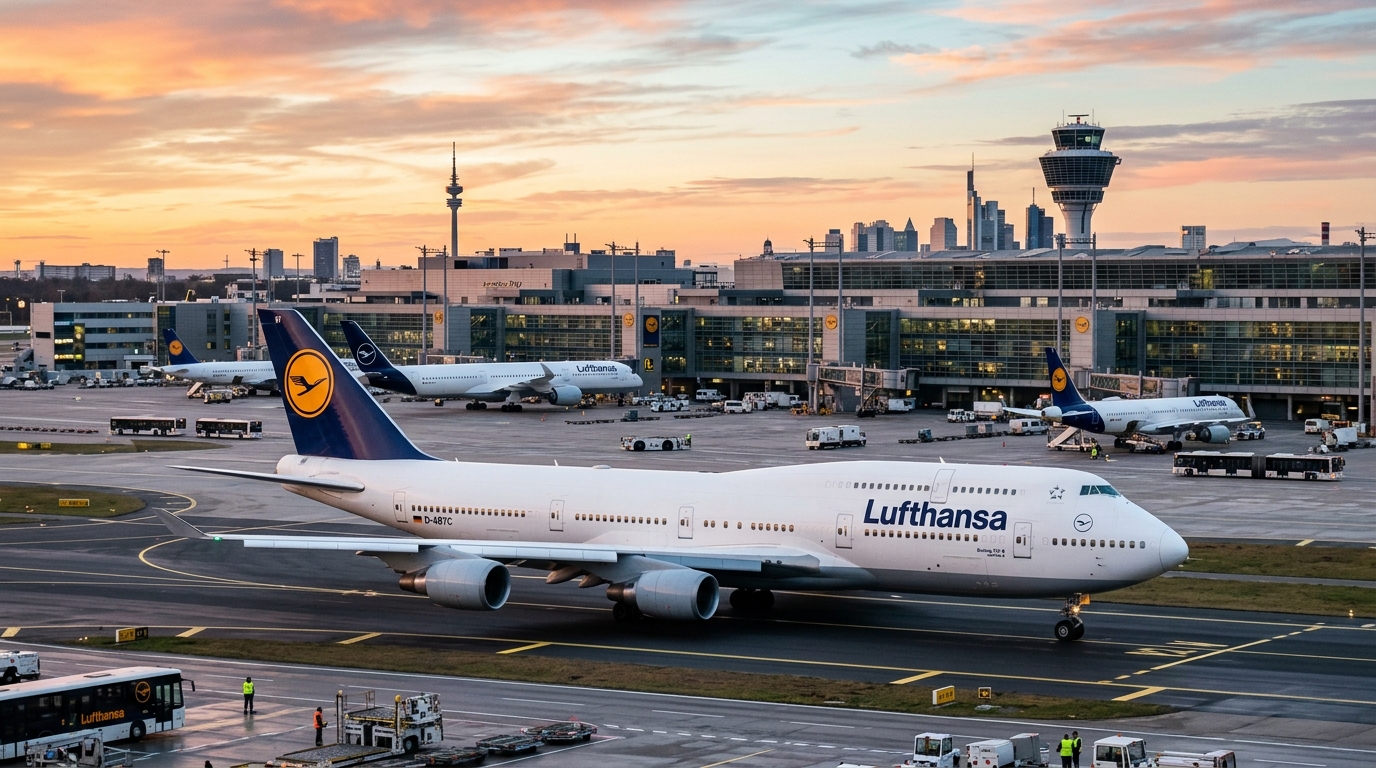
The agreement highlights a strategy centered on growth, connectivity, and customer convenience. By improving access to Japan through coordinated services, Lufthansa is positioning itself to benefit from growing tourism, business travel, and long-term demand across the Asia-Pacific region.
Why the Japan Expansion Is Significant
Japan remains one of the world's most important travel destinations. The country attracts millions of visitors every year and serves as a major center for international business activity. Expanding presence in this market creates valuable growth opportunities.
Important benefits include:
Improved travel options between Europe and Japan.
Stronger connectivity through partner airline networks.
Better access to major Japanese cities.
Increased flexibility for international passengers.
Enhanced convenience for business travelers.
Greater route availability across multiple regions.
Expanded customer choice during trip planning.
Opportunities to support growing travel demand.
These advantages help strengthen international travel networks while improving passenger experiences.
How Lufthansa Strengthens Its Competitive Position
Competition remains intense across long-haul international routes. Airlines must continue improving networks and services to attract travelers. Lufthansa is using strategic cooperation to expand its reach without significantly increasing operational complexity.
Key competitive advantages include:
Access to broader travel markets.
Stronger visibility within the Asia-Pacific regions.
Improved route efficiency across partner networks.
Greater appeal to frequent international travelers.
Better connectivity between key destinations.
Enhanced customer retention opportunities.
Support for long-term network growth.
Increased market flexibility.
These benefits may help strengthen the airline’s position against competing global carriers.
What Travelers Gain From the Partnership
Travelers often benefit when airlines coordinate schedules, destinations, and services. Better integration can make international journeys smoother and more convenient. Lufthansa expects passengers to experience several improvements through the expanded arrangement.
Potential traveler advantages include:
Easier flight connections across multiple destinations.
More route choices when booking trips.
Greater schedule flexibility.
Reduced travel complexity.
Improved baggage handling coordination.
Better access to partner airline services.
Expanded loyalty program opportunities.
More convenient travel experiences overall.
These improvements can be particularly valuable for travelers making long-distance international journeys.
For readers interested in aviation developments, Simple Flying offers regular updates on airline partnerships, route changes, and industry news.
Potential Economic and Business Benefits
Airline partnerships often create advantages beyond passenger convenience. Improved connectivity can support tourism, business activity, and economic relationships between regions.
Potential economic impacts include:
Increased visitor traffic to key destinations.
Stronger business travel connections.
Greater support for tourism-related industries.
Improved accessibility for international companies.
Expanded opportunities for travel service providers.
Better regional connectivity.
Increased airline revenue potential.
Stronger long-term market development.
These outcomes may help support broader growth across connected travel markets.
Future Opportunities From Expanded Cooperation
The partnership may open the door to additional developments as international travel continues evolving. Industry observers will likely monitor future expansion efforts and network performance.
Passenger Growth
Improved access can attract new travelers.
Better connectivity often increases bookings.
Enhanced convenience supports repeat travel.
Network Development
Additional routes may be added over time.
Expanded partnerships can improve efficiency.
Greater integration strengthens service quality.
Revenue Opportunities
More passengers can support financial growth.
Premium travel demand may increase earnings.
Strong networks often improve profitability.
Market Expansion
Broader coverage supports competitiveness.
Better visibility attracts new customers.
Strategic growth improves long-term positioning.
These opportunities demonstrate why airline partnerships remain important across the global aviation industry.
Final Thoughts
Lufthansa continues expanding its international presence through partnerships that improve connectivity and create more travel options for passengers. The latest cooperation involving Japan routes and ITA Airways strengthens access to a key market while supporting broader network growth. Travelers benefit from increased convenience, while the airline gains new opportunities to compete and expand. As global travel demand remains strong, Lufthansa is taking meaningful steps to strengthen its position across important international markets and future growth opportunities.
Comments
Log in or sign up to join the conversation.