

While many in the oil industry have been talking about lower for longer oil prices the truth is that oil prices will not stay low for much longer. Oil has confirmed that the market may have put in the most significant bottom in oil prices since 1999 after it posted its best quarter since 2004. Long-term charts are suggesting a breakout that puts oil at much higher levels.
Back in early 2016 oil doubled bottomed in the $26 a barrel handle and many had felt that oil could go below $10 a barrel. They worried that shale oil production would keep oil lower for longer and big and little energy companies felt pain and embarked one on the biggest investment pullbacks in energy spending history. Now with oil supply dropping at a historic rate, OPEC doubling down on production cuts and shale and Gulf of Mexico oil output sputtering we should see oil continue to rise into the end of the year. In fact, we should see oil continue to rise for the rest of this decade.
While the bottom in 2016 has not been without its big corrections the fundamentals on oil are getting clear to almost everyone. Global oil demand is surging as low oil prices and an improving economic backdrop has caused the strongest global oil demand growth in at least two years if not longer. The rash of Hurricane, mainly Harvey was the reason for oil recent correction, but the rebuilding process post-Hurricane Harvey will only lead to even stronger oil demand.
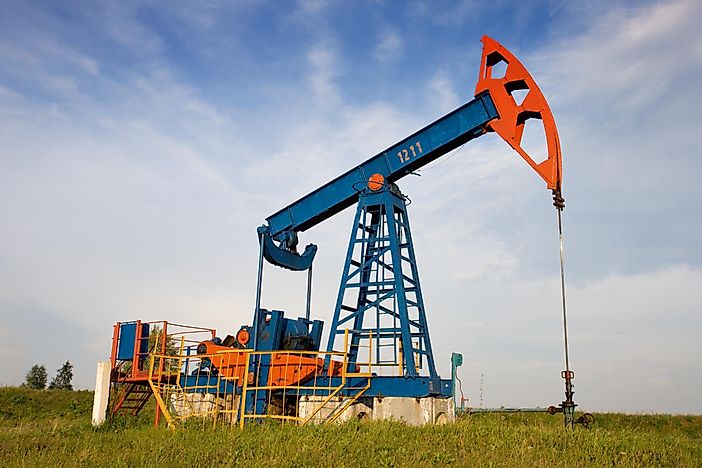
U.S. oil exports are also surging. Some think that because U.S. oil exports are rising and that is making the price go even higher. Yet, the fact is that if it were not for U.S. exports surging prices would be higher than they are. The large spread of Brent oil over WTI means there is a tight supply of oil in Europe and Asia that needs to be filled. The U.S. oil production has risen to the occasion.U.S. oil exports increased by 300,000 barrels per day to a total average of 900,000 barrels per day in the first half of 2017 from the same period last year, according to federal data released this month. Other data show the U.S. hit a record of about two million barrels per day in late September, according to the Energy Information Administration, the data analysis arm of the Energy Department as reported by the Washington Examiner.
Reuters warns that “Tankers carrying record levels of crude are leaving in droves from Texas and Louisiana ports, and more growth in the fledgling U.S. oil export market may before the long test of the limits of infrastructure like pipelines, dock space and ship traffic.”
The lower for longer expectations for oil were in part based on the assumption that oil producers would produce oil at any price and could easily ramp up production whenever it was needed, both of with has proven to be not true.Cash-strapped producers are slowing down output and shale wells that are in production are seeing a significant drop in production per well.
Mark G. Papa the founder and former Chairman and CEO of EOG Resources raised shale concerns when he said that “We think the massive surprise will come in the 2019 and 2020 period, when total U.S. oil growth will be less than many people are currently predicting, because of the deterioration in the remaining number of tier-1 locations in the Eagle Ford and Bakken and declines in the Gulf of Mexico. Even in a robust oil price environment, I'd expect 2019 and 2020 total U.S. oil production growth to be 700,000 to 800,000 barrels per day per year, which is much less than the 1.5 million barrels per day, many people are predicting. Even likely, 2018 through 2020 global demand growth of 1.4 million barrel per day per year, this sets up a tight supply-demand picture.”
The FT reported that even Exxon and Chevron are losing money on oil and gas production in the U.S. The FT says that the losses raise a question over the companies’ forecasts of robust growth in U.S. production, particularly in the Permian basin of Texas and New Mexico.Exxon said it lost $238m on oil and gas production in the U.S., while Chevron lost $26m. The losses were reduced from the equivalent period of 2016 but came as both companies made healthy profits on their international operations. The FT said that “In presentations for analysts on Friday, both companies set out projections showing robust growth in production from U.S. shale resources. Exxon forecasts average annual growth of 20 percent in its shale oil and gas production, with 45 percent growth in the Permian region.
It has been building up its position in the region in recent years, and in September did another deal to acquire more drilling rights, increasing its 6bn barrels of oil equivalent resource base by a further 400m boe. Chevron similarly projected robust growth in production in the Permian Basin, where it has retained a large legacy position built up over decades.
John Watson, Chevron’s chief executive who is stepping down at the end of January, said the company was “exceeding expectations” in the Permian. However, unlike “conventional” oil developments, where an initial capital cost to drill wells and install facilities is followed by an extended period of production that declines only slowly, shale resources require continual drilling to maintain output.
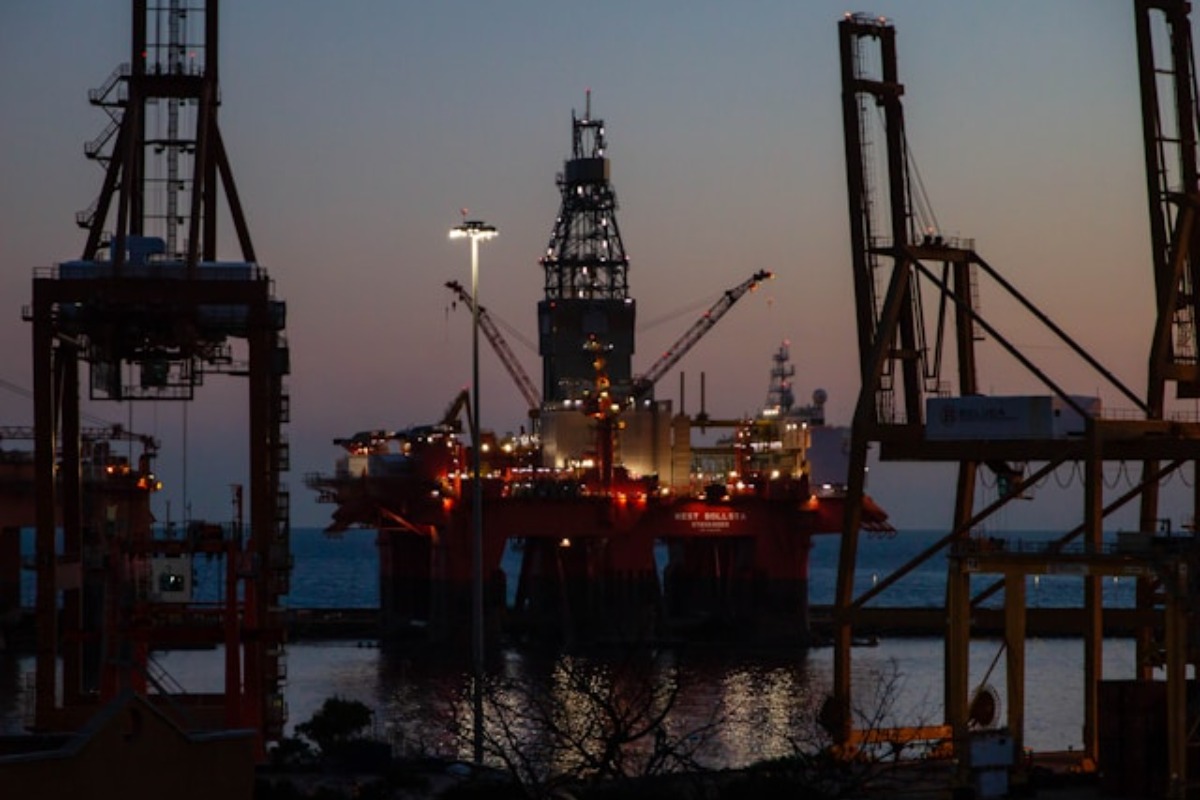
Gulf of Mexico oil production is also disappointing as cutbacks in spending and the mothballing of rigs means production has leveled out in the Gulf. The cutback in CapX are now beginning to be felt and so it will take a year and billions of dollars in spending before they can ramp up production again.
OPEC will of course benefit, and they want to keep the supply deficit going. Prince Mohammed bin Salman on Saturday reiterated Saudi Arabia’s readiness to support the extension of a global oil production cut agreement according to reports.
Oil is in a major breakout mode and the bears are starting to cover. Even with dollar strength supply and demand are starting to drive oil prices. Long-term bullish strategies are starting to pay off and you should add on more going out in the futures. Gas and distillates arrest, and we should see those market. Lower for longer in now higher for longer. The Bulls are now in control.

Comments
Log in or sign up to join the conversation.