

Lost Luggage Compensation: Everything You Need to Know
Few travel experiences are as frustrating as arriving at your destination only to discover that your luggage did not. Lost baggage can leave you without essential clothing, medication, business materials, and personal belongings, turning what should have been an enjoyable trip into a stressful experience.
The good news is that international passenger rights protect travelers whose luggage has been lost due to airline mishandling. Depending on your circumstances, you may be entitled to financial compensation for your lost baggage and the contents inside it.
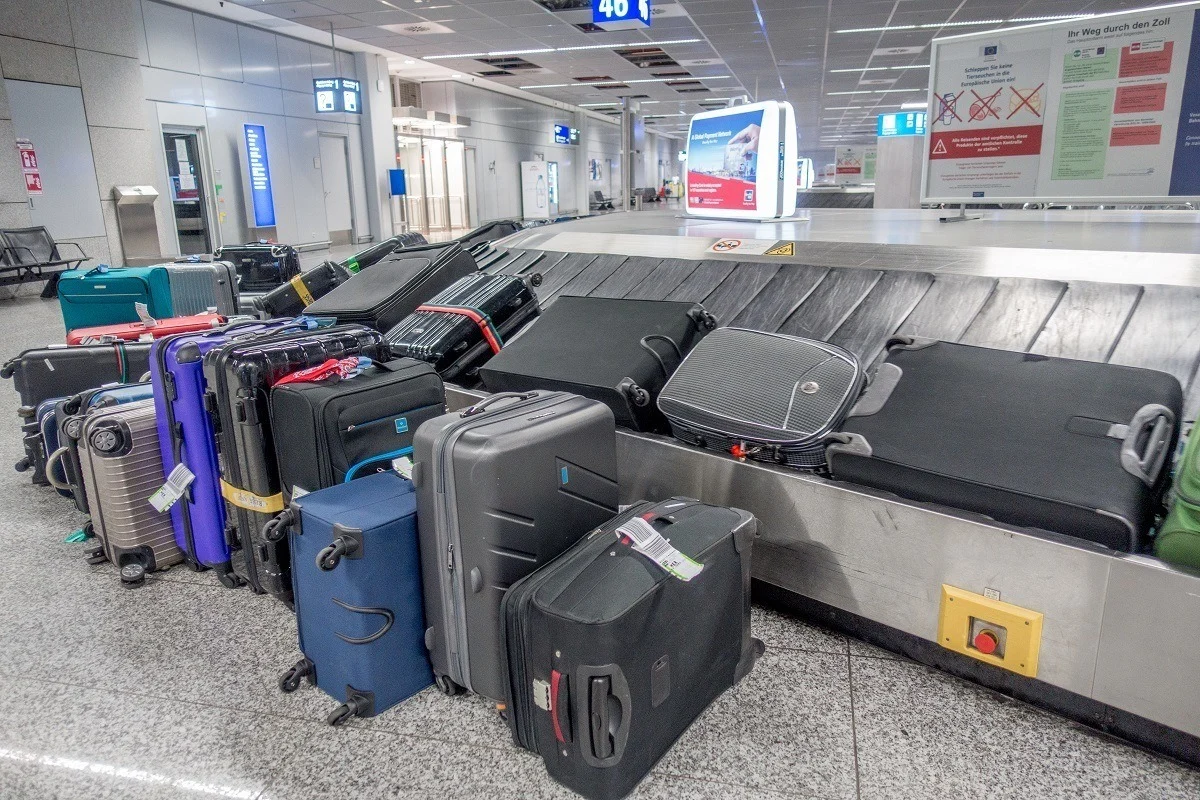
This guide explains everything you need to know about lost luggage compensation, including your legal rights, eligibility requirements, compensation limits, and how FlightHelp can help you pursue your claim.
What Is Lost Luggage?
Lost luggage refers to checked baggage that an airline cannot locate or return to its rightful owner after a flight.
In most cases, airlines first classify baggage as delayed. If it cannot be found after an extended search period typically 21 days under international aviation rules it is generally considered lost.
Lost baggage may result from:
Incorrect baggage handling
Missed baggage transfers during connecting flights
Airport sorting errors
Missing baggage tags
Airline operational disruptions
Security-related issues
While many bags are eventually recovered, some are never returned to passengers.
Are You Entitled to Lost Luggage Compensation?
Yes, in many situations.
If your checked baggage has been permanently lost due to airline responsibility, you may have the right to compensation under the Montreal Convention, which governs most international air travel.
The airline may be responsible for reimbursing you for:
The value of your lost belongings
Essential purchases made while waiting for your baggage
Other eligible financial losses directly related to the missing luggage
Compensation depends on several factors, including the circumstances of your journey and the documentation you provide.
The Montreal Convention Explained
The Montreal Convention is an international treaty that establishes airline liability for baggage issues during international travel.
It applies to most international flights operated by airlines in participating countries.
Under these rules:
Airlines are responsible for checked baggage while it is in their custody.
Passengers may claim compensation when baggage is permanently lost.
Airlines cannot simply deny responsibility without proper justification.
Compensation is subject to legal liability limits established by the Convention.
These rules help ensure passengers receive fair treatment when baggage is mishandled.
When Is Luggage Officially Considered Lost?
Airlines generally follow a standard process:
Within the first few days
The airline searches baggage handling systems and nearby airports.
After continued searches
The airline continues tracing the luggage through international baggage networks.
After approximately 21 days
If the baggage cannot be located, it is usually considered permanently lost under international practice.
At this point, compensation claims become much more straightforward.
What Should You Do If Your Luggage Is Lost?
Taking the right steps immediately can significantly improve your chances of receiving compensation.
1. Report the Missing Baggage Immediately
Before leaving the airport, visit the airline's baggage service desk.
Request that a Property Irregularity Report (PIR) be created.
This report is one of the most important documents for your claim.
2. Keep All Documents
Save:
Boarding pass
Baggage claim tag
Flight ticket
PIR reference number
Airline correspondence
These documents help prove your claim.
3. Keep Receipts
If you need to purchase essential items such as:
Clothing
Toiletries
Medication
Baby supplies
keep every receipt.
Many of these expenses may be recoverable.
4. Stay in Contact with the Airline
Monitor your baggage tracking reference and respond promptly if additional information is requested.
5. Submit a Compensation Claim
Once your baggage is officially declared lost—or if the airline confirms it cannot be recovered—you can begin the compensation process.
What Can You Claim?
Every situation is different, but passengers may be able to recover compensation for:
Lost Personal Items
This may include:
Clothing
Shoes
Electronics
Travel accessories
Toiletries
Personal belongings
Supporting documentation increases the likelihood of a successful claim.
Essential Purchases
If your baggage was delayed before being declared lost, necessary purchases may also be reimbursable.
Examples include:
Basic clothing
Hygiene products
Medication
Chargers
Essential travel items
Other Financial Losses
Depending on your circumstances, additional losses directly connected to the missing baggage may also be considered.
How Much Compensation Can You Receive?
Compensation is not unlimited.
Under the Montreal Convention, airlines have a maximum liability for lost checked baggage, although the exact amount depends on current international valuation rules and the facts of each case.
The final amount may depend on:
Value of the contents
Supporting evidence
Airline investigation
Applicable international regulations
Because every claim is unique, professional assistance can help maximize your chances of recovering the compensation available under the law.
What Documents Will You Need?
A strong claim typically includes:
Flight booking confirmation
Boarding pass
Baggage tag
Property Irregularity Report (PIR)
Identification
Receipts for essential purchases
Proof of ownership where available
Photos of valuable items (if available)
The more evidence you provide, the smoother the claims process is likely to be.
Can Airlines Refuse Compensation?
Sometimes airlines reject claims because:
Required documents are missing
Deadlines were missed
They dispute the value of the contents
They argue the baggage was not under their responsibility
A rejection does not necessarily mean your claim is invalid.
Many passengers successfully pursue compensation after an initial refusal by providing additional evidence or seeking professional assistance.
How Long Do Lost Luggage Claims Take?
Claim times vary depending on:
The airline
The complexity of the case
Documentation provided
Whether the baggage is eventually located
Straightforward claims may be resolved relatively quickly, while more complex cases can take longer.
Tips to Protect Yourself When Traveling
Although lost baggage cannot always be prevented, you can reduce your risk by following a few simple precautions:
Label your luggage with updated contact information.
Remove old baggage stickers before checking in.
Keep valuables, passports, medication, and electronics in your carry-on bag whenever possible.
Photograph your luggage before departure.
Pack a change of clothes in your cabin baggage.
Keep an inventory of valuable belongings.
Retain receipts for expensive items when possible.
These small steps can make the claims process much easier if your baggage goes missing.
Why Choose FlightHelp?
Navigating airline compensation rules can be confusing, especially when dealing with international baggage claims.
FlightHelp helps passengers understand their rights and supports them throughout the compensation process. Our experienced team reviews each case individually, prepares the necessary documentation, communicates with airlines on your behalf, and works to achieve the best possible outcome under applicable passenger rights regulations.
Whether your baggage has been lost after an international journey or an airline has denied your claim, FlightHelp is here to help you pursue the compensation you may be entitled to.
Final Thoughts
Losing your luggage can disrupt your travel plans and create unexpected expenses, but passengers are not without protection. International regulations, including the Montreal Convention, provide important rights for travelers whose checked baggage has been permanently lost.
Acting quickly, keeping your travel documents and receipts, and understanding the claims process can significantly improve your chances of receiving compensation.
If your airline has lost your checked baggage, FlightHelp can help you navigate the legal process and pursue your claim with confidence.
Comments
Log in or sign up to join the conversation.