

Liquid Waste Management Market Outlook
The global liquid waste management industry is entering a transformative phase characterized by rapid urbanization, accelerating industrialization, rising environmental concerns, and increasing investments in sustainable water treatment solutions. As nations grapple with mounting water stress and stricter environmental standards, effective management of liquid waste has become an essential component of public health, industrial productivity, and environmental conservation strategies.
According to TechSci Research report, “Liquid Waste Management Market Report– Global Industry Size, Share, Trends, Competition Forecast & Opportunities, 2020-2030F”, The Global Liquid Waste Management Market was valued at USD 100.64 Billion in 2024 and is expected to reach USD 126.43 Billion by 2030 with a CAGR of 3.72% during the forecast period.
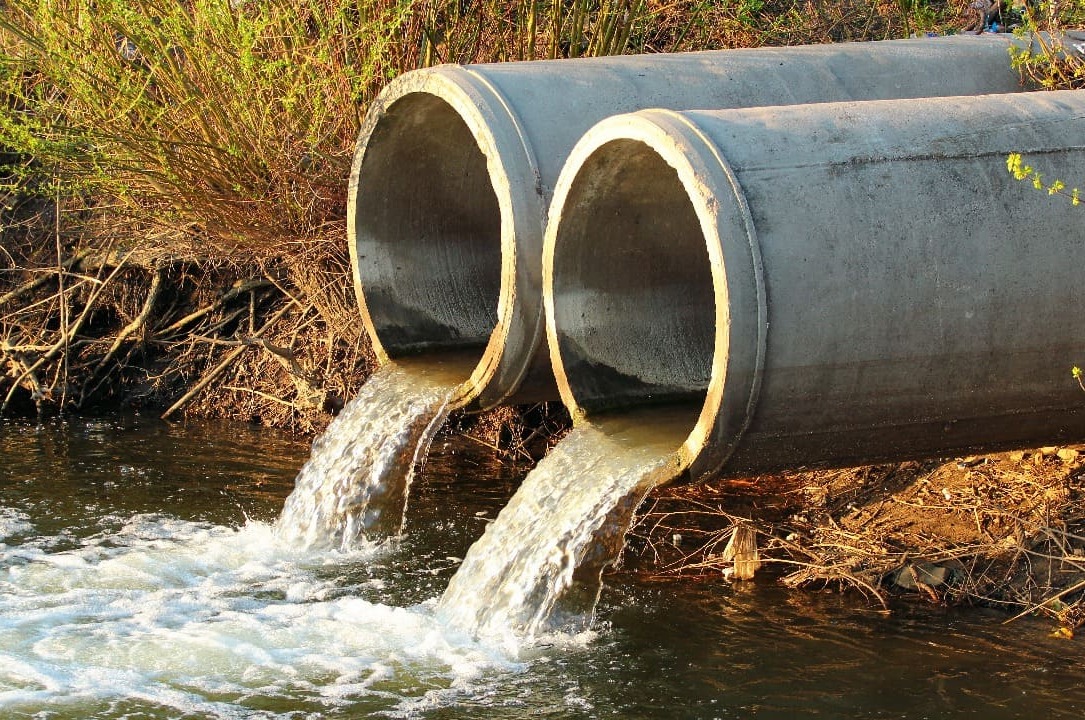
Liquid waste management encompasses the collection, transportation, treatment, disposal, and recycling of wastewater generated from residential, commercial, industrial, and municipal activities. It plays a crucial role in preventing water contamination, safeguarding ecosystems, ensuring public health, and supporting the efficient utilization of water resources.
Across the world, governments, municipalities, and industrial organizations are increasingly recognizing that wastewater should no longer be viewed solely as a disposal challenge but rather as a valuable resource capable of contributing to water security, energy generation, and resource recovery initiatives. Consequently, investments in advanced liquid waste treatment technologies and circular economy models are growing significantly.
As global populations continue to expand and water resources become increasingly strained, liquid waste management is emerging as one of the most critical infrastructure sectors supporting sustainable development and environmental resilience.
Request For Sample Copy of Report For More Detailed Market insight: https://www.techsciresearch.com/sample-report.aspx?cid=29438#requestform
Industry Key Highlights
Global market expected to reach USD 126.43 Billion by 2030
Projected CAGR of 3.72% during the forecast period
Increasing adoption of advanced wastewater treatment technologies
Rising investments in wastewater recycling and reuse projects
Growing implementation of smart monitoring and automation systems
Residential segment emerging as the fastest-growing source category
Asia Pacific becoming the fastest-growing regional market
Increasing emphasis on circular economy and resource recovery
Government initiatives accelerating infrastructure modernization
Growing public awareness regarding water conservation and pollution control
Market Overview
Liquid waste is generated through a broad range of activities, including household usage, industrial manufacturing processes, healthcare services, commercial operations, and municipal sewage systems. Improper disposal of liquid waste can contaminate groundwater, rivers, lakes, and oceans, posing severe risks to ecosystems and human health.
Modern liquid waste management systems involve sophisticated treatment methodologies designed to eliminate physical, biological, and chemical contaminants while maximizing opportunities for water reuse and resource recovery.
The growing complexity of wastewater streams has significantly increased the demand for innovative treatment technologies capable of addressing emerging contaminants, industrial chemicals, pharmaceutical residues, and hazardous substances.
Municipalities worldwide are upgrading aging wastewater infrastructure, while industries are increasingly implementing advanced treatment solutions to comply with regulatory standards and improve operational sustainability.
These developments are positioning liquid waste management as a strategic industry with immense growth potential across both developed and emerging economies.
Major Market Drivers
Rapid Urbanization and Population Growth
Urbanization remains one of the most significant drivers shaping the global liquid waste management market.
The world's urban population continues to expand rapidly, resulting in increased demand for water resources and higher wastewater generation. Rapid migration toward urban centers places enormous pressure on existing sewage and wastewater treatment systems.
Developing nations are particularly experiencing unprecedented urban growth, creating an urgent requirement for new wastewater treatment facilities and upgraded infrastructure.
As urban populations increase, the volume of residential sewage, greywater, and household liquid waste rises substantially. Municipal authorities are therefore investing heavily in liquid waste management systems capable of supporting expanding cities while minimizing environmental impacts.
The need to provide safe sanitation services and protect public health continues to drive long-term investments in wastewater treatment infrastructure globally.
Growing Industrialization
Industrial activities generate substantial volumes of complex liquid waste containing chemicals, oils, heavy metals, organic compounds, and other hazardous contaminants.
Industries such as:
Oil and gas
Chemicals
Pharmaceuticals
Food and beverages
Mining
Textiles
Pulp and paper
Metal processing
Electronics manufacturing
require specialized liquid waste treatment solutions to ensure environmental compliance and sustainable operations.
Increasing industrial production across emerging economies is significantly expanding the need for advanced treatment technologies capable of processing highly contaminated wastewater streams efficiently.
Industries are increasingly recognizing that effective wastewater management not only minimizes regulatory risks but also improves operational efficiency and supports sustainability objectives.
Stringent Environmental Regulations
Environmental regulations governing wastewater discharge are becoming increasingly rigorous worldwide.
Governments are implementing comprehensive policies to control water pollution, preserve natural resources, and protect public health. Industrial operators and municipalities are now required to meet strict discharge standards before releasing treated wastewater into the environment.
Failure to comply with environmental regulations often results in substantial penalties, operational disruptions, and reputational damage.
Consequently, organizations are investing in advanced treatment technologies that ensure regulatory compliance while improving process efficiency and reducing environmental impact.
Environmental regulations continue to serve as one of the strongest catalysts driving technological advancement and market expansion within the liquid waste management industry.
Rising Water Scarcity
Water scarcity is rapidly emerging as one of the most pressing global challenges.
Many countries are experiencing increasing pressure on freshwater resources due to climate change, population growth, industrial expansion, and unsustainable water consumption patterns.
Water-stressed regions including parts of Asia Pacific, the Middle East, and North America are increasingly prioritizing wastewater recycling and reuse initiatives.
Liquid waste management systems enable wastewater to be treated and reused for applications such as:
Agricultural irrigation
Industrial cooling
Landscaping
Toilet flushing
Groundwater replenishment
Process water applications
The ability to convert wastewater into a reusable resource is significantly increasing investment in advanced treatment infrastructure globally.
Growing Environmental Awareness
Public awareness regarding environmental sustainability has increased substantially over the past decade.
Consumers, businesses, and governments are increasingly concerned about the consequences of untreated wastewater, including:
Water pollution
Ecosystem degradation
Biodiversity loss
Public health risks
Groundwater contamination
Marine pollution
This growing awareness is driving widespread support for sustainable waste management practices and accelerating the adoption of environmentally responsible liquid waste treatment solutions.
Organizations are increasingly incorporating sustainability initiatives into their business strategies, further strengthening market growth.
Emerging Trends in the Liquid Waste Management Market
Adoption of Advanced Treatment Technologies
The liquid waste management industry is experiencing a significant technological transformation.
Traditional wastewater treatment techniques are gradually being replaced by advanced treatment systems capable of delivering superior treatment efficiency and operational reliability.
Modern technologies gaining traction include:
Membrane bioreactors
Advanced oxidation processes
Electrochemical treatment systems
Membrane filtration
Biological treatment technologies
Chemical precipitation systems
These technologies effectively remove complex contaminants while enabling water reuse and supporting environmental compliance.
Membrane bioreactor systems, for example, have demonstrated exceptional performance in reducing biochemical oxygen demand and improving effluent quality.
The growing adoption of advanced treatment technologies is significantly improving operational efficiency and creating new opportunities throughout the market.
Smart Wastewater Management Systems
Digital transformation is revolutionizing liquid waste treatment operations.
Treatment facilities are increasingly integrating:
Internet of Things (IoT)
Artificial Intelligence (AI)
Cloud computing
Automation systems
Advanced sensors
Predictive analytics
Smart wastewater management systems continuously monitor treatment processes and optimize operational performance in real time.
These technologies facilitate predictive maintenance, reduce energy consumption, minimize operational disruptions, and improve decision-making capabilities.
The integration of digital technologies is transforming wastewater treatment plants into intelligent and highly efficient infrastructure systems.
Circular Economy and Resource Recovery
One of the most significant trends reshaping the market is the transition toward circular economy models.
Wastewater is increasingly viewed as a valuable source of recoverable resources.
Modern liquid waste treatment facilities are focusing on:
Water reuse
Nutrient recovery
Energy generation
Resource recycling
Sludge valorization
Advanced treatment processes enable the recovery of phosphorus and nitrogen for agricultural applications while converting organic waste into renewable energy sources.
This shift from waste disposal to resource recovery is creating entirely new business opportunities throughout the value chain.
Growing Adoption of Zero Liquid Discharge Systems
Zero Liquid Discharge (ZLD) systems are gaining substantial popularity, particularly in highly regulated industries.
These systems aim to eliminate liquid discharge entirely by recovering and reusing almost all wastewater generated during industrial operations.
ZLD technologies help organizations:
Reduce freshwater consumption
Minimize environmental impacts
Improve sustainability performance
Ensure regulatory compliance
Lower disposal costs
Increasing regulatory pressure and growing water scarcity are expected to accelerate the adoption of ZLD solutions globally.
Expansion of Decentralized Treatment Systems
Decentralized wastewater treatment systems are emerging as practical solutions for areas with limited centralized infrastructure.
These systems provide localized treatment capabilities that are particularly beneficial for:
Rural communities
Small municipalities
Residential complexes
Industrial parks
Remote locations
Their lower infrastructure requirements and operational flexibility are driving widespread adoption across both developed and emerging markets.
Market Opportunities
The global liquid waste management market offers significant opportunities for technology providers, infrastructure developers, engineering companies, and environmental service providers.
Several emerging opportunities include:
Modernization of aging wastewater infrastructure
Expansion of industrial wastewater treatment facilities
Smart wastewater management solutions
Water reuse and recycling projects
Decentralized treatment systems
Renewable energy generation from wastewater
Resource recovery technologies
Public-private partnerships
Environmental consulting services
Digital monitoring platforms
Emerging economies offer particularly attractive growth prospects due to rapidly increasing urban populations and substantial infrastructure investment requirements.
Segment Analysis
Residential Segment Emerges as the Fastest-Growing Source
Based on source, the Residential segment is anticipated to be the fastest-growing category during the forecast period.
Rapid urbanization and expanding populations are significantly increasing household wastewater generation worldwide.
Domestic liquid waste includes:
Sewage
Greywater
Kitchen wastewater
Laundry discharge
Household chemical runoff
As access to sanitation infrastructure improves across developing countries, the volume of residential wastewater requiring treatment continues to rise substantially.
Governments are prioritizing investments in:
Sewer networks
Decentralized treatment systems
Community treatment facilities
Septic systems
Sustainable sanitation infrastructure
Growing environmental awareness is also encouraging households to adopt environmentally responsible wastewater management practices.
The residential sector is increasingly embracing innovative technologies such as compact treatment systems and smart monitoring solutions that offer improved efficiency and affordability.
Furthermore, green building initiatives and sustainable urban planning strategies are increasingly integrating efficient liquid waste management systems as essential infrastructure components.
These developments collectively position the residential segment as one of the most dynamic growth areas within the global liquid waste management market.
Regional Insights
Asia Pacific Emerges as the Fastest-Growing Market
Asia Pacific is expected to register the highest growth rate during the forecast period.
Countries including China, India, Indonesia, Vietnam, and several Southeast Asian nations are witnessing extraordinary urbanization and industrial expansion.
Rapid economic development has resulted in substantial increases in:
Residential wastewater
Industrial effluents
Municipal sewage
Commercial liquid waste
Many urban centers continue to experience inadequate wastewater treatment infrastructure, creating significant opportunities for market expansion.
Governments throughout the region are allocating substantial investments toward upgrading sewage systems and constructing new wastewater treatment facilities.
Stringent environmental regulations aimed at reducing pollution are further encouraging industries and municipalities to adopt advanced treatment technologies.
Growing awareness regarding water conservation is also driving investments in wastewater recycling and reuse initiatives.
Asia Pacific benefits from several favorable market conditions:
Strong economic growth
Rising foreign direct investment
Expanding manufacturing sectors
Government infrastructure spending
Growing middle-class population
Increasing environmental awareness
Collectively, these factors are positioning Asia Pacific as the fastest-growing regional market in the global liquid waste management industry.
Competitive Analysis
The global liquid waste management market remains highly competitive and increasingly innovation-driven.
Major market participants are actively pursuing strategic initiatives aimed at strengthening technological capabilities and expanding geographic presence.
Companies are focusing extensively on:
Technological Innovation
Leading companies are investing heavily in research and development activities to introduce advanced wastewater treatment technologies that improve treatment efficiency while reducing operational costs.
Strategic Partnerships
Collaborations among technology providers, municipalities, engineering companies, and industrial organizations are becoming increasingly common to accelerate infrastructure development and facilitate technology deployment.
Expansion Strategies
Market participants are expanding operations into high-growth emerging economies where demand for wastewater infrastructure continues to increase significantly.
Sustainability-Focused Solutions
Companies are increasingly emphasizing resource recovery, energy efficiency, water recycling, and environmentally sustainable treatment technologies.
Digital Transformation
The integration of automation, artificial intelligence, cloud platforms, and predictive maintenance capabilities is becoming an important competitive differentiator.
Key Market Players
Veolia Environnement S.A.
SUEZ SA
Clean Harbors, Inc.
Waste Management, Inc.
Republic Services, Inc.
Stericycle, Inc.
Covanta Holding Corporation
EnviroServ Waste Management (Pty) Ltd
US Ecology, Inc.
Hindustan Dorr-Oliver Ltd.
Customers can also request for 10% free customization on this report.
Future Outlook
The future of the global liquid waste management market appears highly promising as water scarcity, environmental sustainability, and resource efficiency become central priorities across governments and industries.
Increasing urban populations and industrial activities will continue generating substantial volumes of wastewater requiring effective management solutions.
The market is expected to witness accelerated adoption of:
Smart wastewater management systems
Artificial intelligence-driven treatment optimization
Advanced membrane technologies
Water recycling systems
Zero liquid discharge solutions
Decentralized treatment infrastructure
Resource recovery technologies
Renewable energy generation from wastewater
The transition toward circular economy principles will fundamentally reshape the industry by transforming wastewater into a valuable source of water, nutrients, and renewable energy.
Emerging economies are expected to remain major growth engines due to increasing infrastructure investments and supportive government policies.
Organizations that continue investing in digital transformation, advanced treatment technologies, sustainability initiatives, and innovative service models are likely to achieve significant competitive advantages in the evolving marketplace.
With environmental protection and water conservation becoming increasingly critical worldwide, the global liquid waste management market is poised to experience steady and sustainable growth through 2030 and beyond.
10 Benefits of the Liquid Waste Management Market Research Report
Provides comprehensive market size and forecast analysis.
Identifies emerging trends and future growth opportunities.
Offers in-depth segmentation analysis across source, waste type, and services.
Evaluates major market drivers and challenges.
Assesses regional growth prospects and investment hotspots.
Delivers detailed competitive landscape analysis.
Supports strategic business planning and market entry decisions.
Provides valuable insights into technological advancements.
Helps stakeholders identify revenue-generating opportunities.
Enables informed investment decisions through data-driven market intelligence.
Contact US:
Techsci Research LLC
420 Lexington Avenue, Suite 300,
New York, United States- 10170
Tel: +13322586602
Email: [email protected]
Web: https://www.techsciresearch.com/
Comments
Log in or sign up to join the conversation.