
Lindt Stock has attracted growing attention after a prolonged decline pushed shares near their lowest levels of the year. Whenever a respected company experiences a significant drop, investors begin asking an important question. Is the market reacting to temporary challenges, or are there deeper issues that could affect future performance?
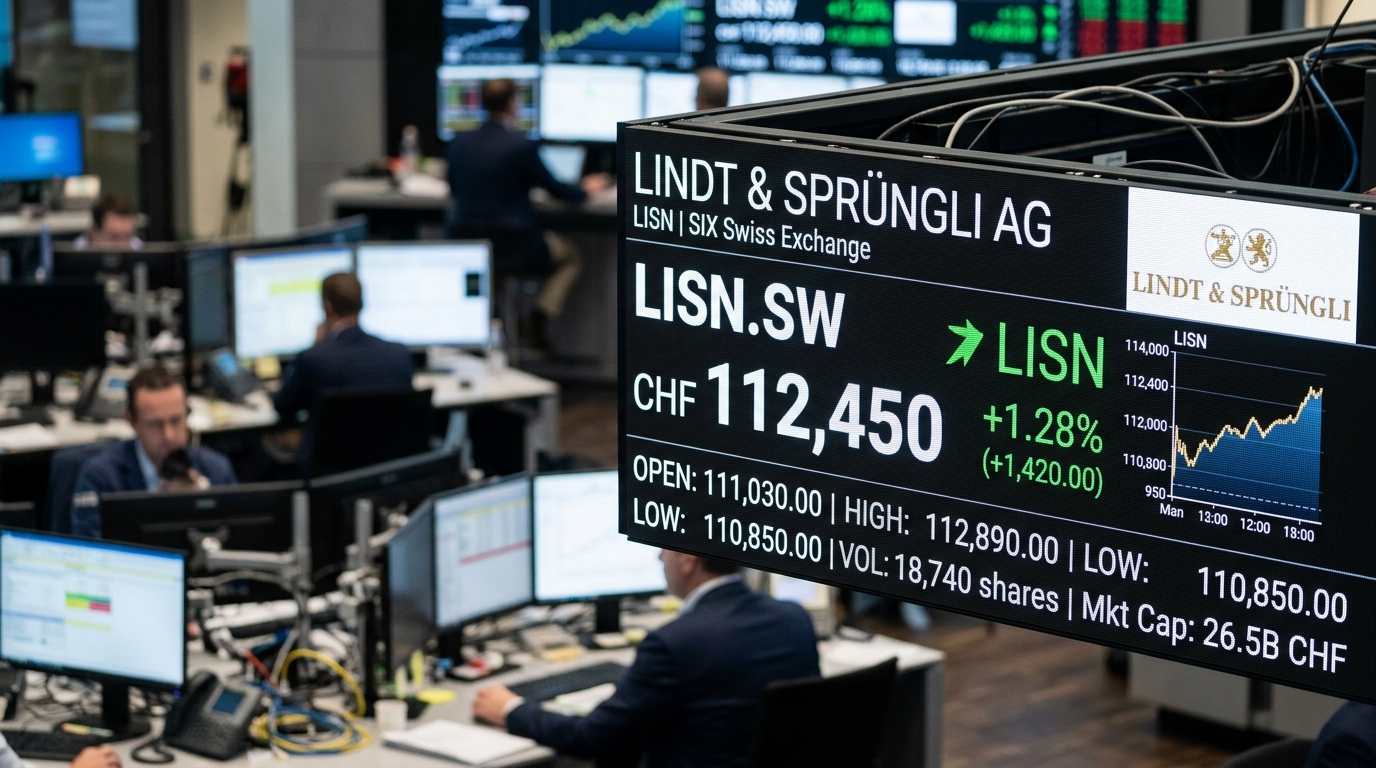
Answering that question requires more than simply looking at the share price. Investors need to understand business fundamentals, industry conditions, and long-term growth prospects. A closer examination may reveal whether the recent decline reflects genuine concerns or an overlooked opportunity.
Why Lindt Stock Has Lost Momentum
Several factors have contributed to the recent weakness in Lindt Stock. Although the company remains a leader in premium chocolate products, market conditions have created pressure on many consumer-focused businesses.
Investors are paying attention to:
Rising cocoa and ingredient costs.
Inflation affecting household budgets.
Slower growth expectations in some regions.
Currency fluctuations impacting earnings.
Increased market uncertainty.
Lower risk appetite among investors.
These challenges have affected sentiment and contributed to share price weakness over recent months.
Business Advantages That Support Long-Term Strength
Despite short-term concerns, Lindt Stock continues to benefit from important competitive advantages that support the company's market position.
Key strengths include:
Strong global brand recognition.
Premium product reputation.
Loyal customer base.
Broad international distribution network.
Consistent product innovation.
Long history of business success.
Companies with established brands often maintain customer demand even during difficult economic periods.
What Investors Are Watching Closely
Investors evaluating Lindt Stock are focusing on several business and economic indicators that could influence future performance.
Important areas include:
Revenue growth trends.
Profit margin performance.
Consumer spending patterns.
Commodity price movements.
International market demand.
Future earnings guidance.
Reliable information helps investors make informed decisions. Many market participants follow WSJ Markets for financial news, market updates, and business analysis.
These indicators can provide valuable insight into whether current market concerns are improving or becoming more serious.
Possible Reasons for Future Recovery
Several developments could help improve sentiment toward Lindt Stock and support a stronger outlook.
Potential recovery drivers include:
Stabilizing raw material costs.
Strong seasonal product sales.
Improved operating efficiency.
Expansion into new markets.
Positive earnings surprises.
Increased investor confidence.
When businesses continue executing successfully despite challenges, markets often reassess long-term value.
Risks That Cannot Be Ignored
While recovery potential exists, investors should carefully consider the risks associated with Lindt Stock before making investment decisions.
Key risks include:
Further increases in production expenses.
Weak economic growth.
Reduced consumer demand.
Greater industry competition.
Earnings disappointments.
Continued market volatility.
Understanding these risks helps investors maintain realistic expectations and avoid making decisions based solely on recent price declines.
Final Thoughts
The recent decline in Lindt Stock has created a situation that deserves careful analysis. Strong brand recognition, global reach, and customer loyalty remain valuable strengths. However, rising costs and uncertain economic conditions continue presenting challenges. Investors should evaluate both opportunities and risks before making decisions. A lower share price alone does not guarantee value, but for patient investors willing to conduct thorough research, Lindt Stock may offer an opportunity worth monitoring closely over the months ahead.
Comments
Log in or sign up to join the conversation.