

Leguminous Plants in Dubai: A Guide to Growing and Caring for Legumes in the Desert Climate
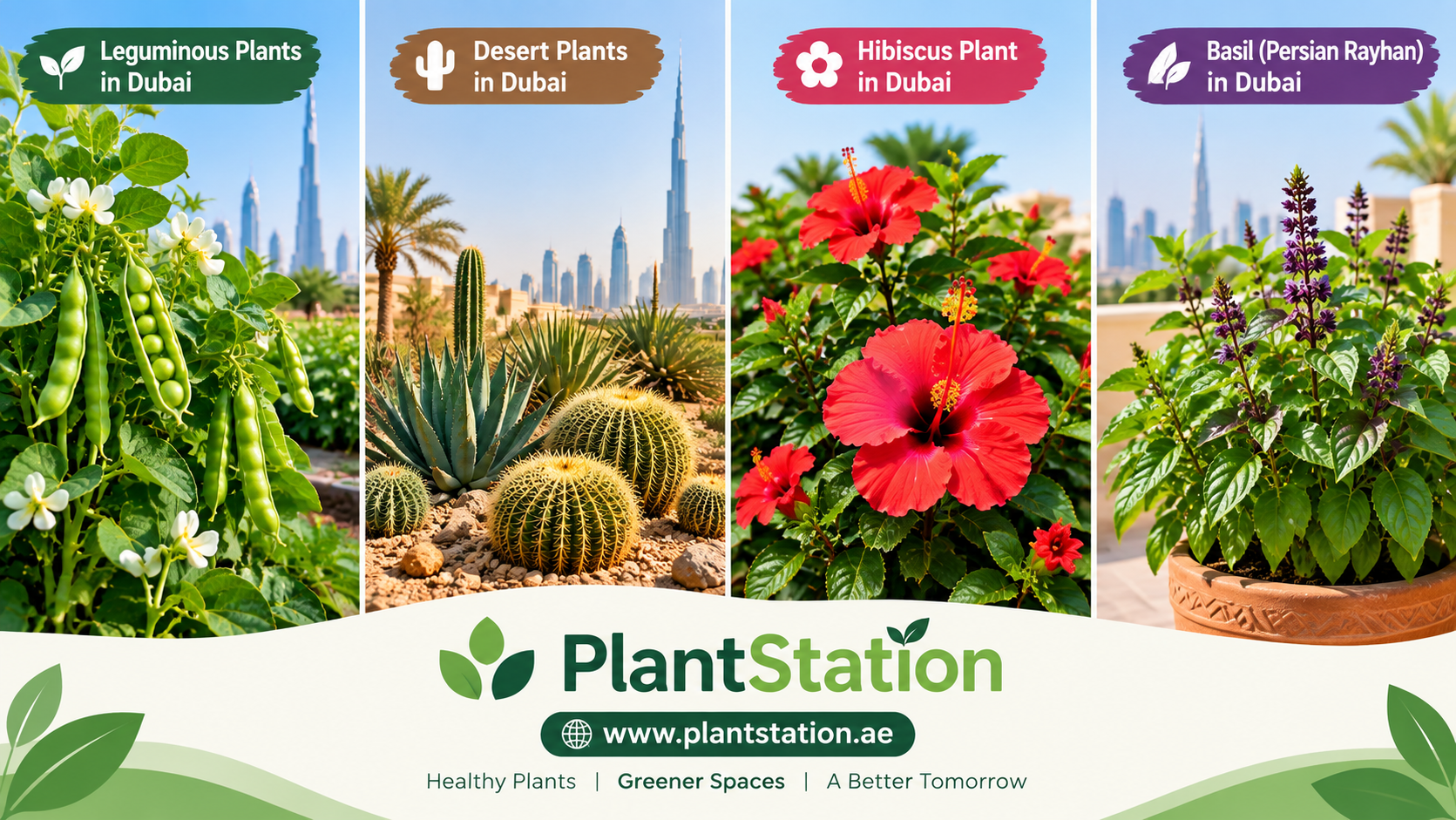
Dubai is widely known for its hot climate, sandy landscapes, modern architecture, and limited natural rainfall. At first glance, the city's desert environment may not appear suitable for growing a wide variety of plants. However, with appropriate irrigation, soil preparation, and plant selection, many types of vegetation can thrive in Dubai. Among the most useful groups of plants are leguminous plants, a diverse family that includes beans, peas, lentils, chickpeas, alfalfa, acacia, and several ornamental species.
Leguminous plants in dubai belong to the family Fabaceae, one of the largest plant families in the world. They are especially valuable because many species can work in partnership with soil microorganisms called rhizobia. These bacteria live in nodules on the roots of many legumes and help convert atmospheric nitrogen into forms that plants can use. As a result, legumes can contribute to soil fertility while also providing food, shade, ground cover, and ecological benefits.
In Dubai, the cultivation of leguminous plants requires an understanding of the region's extreme heat, low rainfall, sandy soils, and high evaporation rates. Nevertheless, gardeners, landscapers, farmers, and homeowners can successfully grow suitable legumes by choosing varieties adapted to warm conditions and providing proper care.
Understanding Leguminous Plants
Leguminous plants are characterized by their fruit, which is generally produced in a pod. This family includes both small herbaceous plants and large trees. Some legumes are grown primarily for food, while others are valued for landscaping, animal feed, soil improvement, or their ability to tolerate difficult environmental conditions.
Common edible legumes include green beans, cowpeas, chickpeas, lentils, peas, soybeans, and several varieties of beans. In the Middle East, legumes have traditionally been an important part of the diet because they provide protein, fiber, vitamins, minerals, and complex carbohydrates.
Other members of the Fabaceae family have considerable environmental importance. Trees such as acacias are adapted to dry climates and can survive with limited water once established. Their roots can help stabilize soil, while their foliage and flowers provide habitat and food for insects and other wildlife.
Why Leguminous Plants Are Important in Dubai
The importance of legumes in Dubai goes beyond food production. One of their most significant benefits is their relationship with nitrogen-fixing bacteria. In suitable conditions, this relationship can increase the availability of nitrogen in the soil and reduce the need for some synthetic nitrogen fertilizers.
This characteristic can be particularly useful in sandy soils, which generally have low organic matter and limited nutrient-holding capacity. Adding suitable organic material, compost, and plant residues can further improve soil structure and water retention.
Leguminous plants can also contribute to sustainable landscaping. Ground-covering legumes can reduce exposed soil, while larger species can provide shade and habitat. In agricultural settings, selected legumes may be used as forage crops or as part of crop rotations.
However, nitrogen fixation does not mean that legumes require no fertilizer or that every legume automatically improves soil. Successful nitrogen fixation depends on the plant, appropriate microorganisms, soil conditions, moisture, temperature, and other factors.
Growing Legumes in Dubai's Climate
Dubai experiences extremely hot summers, mild winters, and generally low rainfall. These conditions create challenges for vegetable gardening. High temperatures can interfere with flowering and fruit development in some crops, while intense sunlight and evaporation can quickly dry the soil.
For this reason, timing is extremely important. Many edible legumes are better suited to the cooler part of the year. Gardeners can take advantage of relatively mild winter conditions to grow crops such as beans, peas, and other cool- or warm-season vegetables depending on the selected variety.
During the hottest months, gardeners should pay close attention to irrigation and shade. Drip irrigation is often useful because it delivers water directly to the root zone and can reduce unnecessary water loss. Mulching can also help maintain soil moisture and moderate soil temperatures.
Raised beds and containers can be particularly useful for home gardens because gardeners have greater control over the growing medium. A well-prepared mixture containing suitable organic matter can provide better conditions than compacted or extremely sandy native soil.
Soil Preparation for Leguminous Plants
Soil preparation is one of the most important steps when growing legumes in Dubai. Sandy soils can drain rapidly and may contain limited organic matter. Improving the soil with mature compost or other suitable organic amendments can help increase moisture retention and support beneficial soil organisms.
Good drainage remains essential. Although legumes require water, constantly waterlogged roots can suffer from oxygen deficiency and disease. The goal is to create soil that holds enough moisture for healthy growth while allowing excess water to drain away.
Before planting, gardeners should remove weeds and large debris, loosen the soil, and incorporate appropriate organic matter. A soil test can also provide useful information about pH, salinity, and nutrient availability. This is particularly important in irrigated desert environments because salts can accumulate in the soil over time.
Leguminous Plants and Water Conservation
Water management is especially important in Dubai. Legumes generally need consistent moisture during germination, flowering, and pod development, but excessive irrigation can create other problems.
A drip irrigation system is an efficient option for many gardens. Water can be delivered slowly near the roots instead of being sprayed across large areas. Irrigation should be adjusted according to temperature, plant size, soil type, and season.
Mulching around plants can reduce evaporation. Organic mulch can also gradually contribute organic matter to the soil. However, mulch should not be placed directly against plant stems because excessive moisture around the stem can encourage certain diseases.
Choosing plants appropriate for the season is another form of water conservation. Growing a crop during a period when temperatures are unsuitable may require significantly more water and still produce disappointing results.
Legumes as Part of Desert Landscaping
Leguminous plants can play a valuable role in sustainable landscaping. Certain drought-tolerant legumes can survive challenging conditions and provide attractive foliage or flowers. Larger leguminous trees can offer shade and contribute to the visual character of gardens and public landscapes.
When selecting plants for Dubai, gardeners should consider mature size, root behavior, water requirements, maintenance needs, and compatibility with surrounding plants. Native and well-adapted species are often particularly valuable because they are better suited to local environmental conditions.
This approach connects legume cultivation with the broader concept of Desert Plants in Dubai, where landscaping focuses on species capable of tolerating heat, intense sunlight, limited rainfall, and sometimes saline soils. Combining appropriate legumes with other climate-adapted plants can create attractive landscapes while reducing unnecessary water consumption.
Ornamental Plants and Leguminous Species
Not every legume is cultivated for food. Many members of the Fabaceae family are ornamental and can add color, structure, and ecological value to gardens.
Some ornamental legumes produce colorful flowers that attract bees and other pollinators. Others are valued for distinctive foliage or their ability to grow as shrubs or trees. These plants can be incorporated into residential gardens, commercial landscapes, parks, and educational gardens.
Gardeners should remember that ornamental plants may have very different requirements from edible legumes. Some need considerable space, while others can become vigorous growers. Plant selection should therefore be based on the intended location and the conditions available.
Combining Legumes with Other Garden Plants
A productive Dubai garden does not have to consist exclusively of legumes. Leguminous plants can be grown alongside herbs, vegetables, flowers, and suitable ornamental species.
For example, a home vegetable garden might contain beans alongside herbs and leafy vegetables during the appropriate growing season. Flowers can also be included to increase visual appeal and potentially provide resources for pollinators.
Herbs are particularly useful in home gardens because many tolerate warm conditions when provided with suitable irrigation. Basil (Persian Rayhan) in Dubai can be an attractive and useful addition to a garden, particularly during suitable growing conditions. Persian Rayhan is valued for its fragrant leaves and culinary uses, and its presence alongside legumes can create a diverse kitchen garden.
Legumes and Food Security
Leguminous crops have an important role in food systems because they provide plant-based protein and other nutrients. Beans, chickpeas, lentils, peas, and related crops are consumed in many cultures around the world.
Although Dubai's climate presents challenges for large-scale cultivation of certain legumes, controlled agricultural systems, protected growing environments, and carefully selected seasonal crops can support local production.
Urban gardening can also contribute on a smaller scale. Balconies, terraces, rooftops, and home gardens may be used to grow suitable vegetables and herbs in containers. Container cultivation provides control over soil quality and makes it easier to move or protect plants when environmental conditions become unfavorable.
Benefits of Legumes for Soil Health
One of the defining characteristics of many legumes is biological nitrogen fixation. Plants that form effective relationships with compatible rhizobia can obtain some of their nitrogen through this natural process.
The process begins when suitable bacteria colonize the plant's roots and form specialized nodules. Within these nodules, atmospheric nitrogen is converted into compounds that the plant can use. In return, the bacteria receive carbohydrates and a suitable environment from the plant.
When legumes are incorporated into agricultural systems appropriately, they can support nutrient cycling. However, gardeners should avoid assuming that all legumes fix identical amounts of nitrogen. Different species, varieties, and growing conditions can produce different results.
Maintaining healthy soil biology is therefore important. Avoiding unnecessary disturbance, using mature compost, and maintaining appropriate moisture can support a healthier growing environment.
Challenges of Growing Legumes in Dubai
Despite their benefits, legumes are not completely problem-free in Dubai. Extreme heat is one of the major challenges. Some plants may experience poor flowering, flower drop, leaf stress, or reduced pod production during very hot weather.
Water quality can also matter. Irrigation water with high salinity may contribute to salt accumulation in the soil. Over time, this can make it harder for sensitive plants to absorb water.
Pests and diseases are additional concerns. Aphids, whiteflies, caterpillars, fungal diseases, and other problems can affect vegetable crops. Regular inspection allows gardeners to identify problems early.
Integrated pest management can help reduce unnecessary pesticide use. This approach includes monitoring plants, maintaining healthy growing conditions, encouraging beneficial insects, removing severely affected plant material when appropriate, and using targeted treatments only when necessary.
The Role of Shade
Shade can be extremely useful for gardens in Dubai, especially when temperatures rise. However, the amount of shade required depends on the crop.
Some legumes need substantial sunlight to produce flowers and pods, while others can benefit from protection from the strongest afternoon heat. Shade cloth can be used in vegetable gardens to reduce heat stress while still allowing sufficient light for photosynthesis.
Large trees can also provide natural shade, but gardeners should consider their root systems and water requirements before planting them near vegetable beds.
Leguminous Plants for Sustainable Gardens
A sustainable Dubai garden should be designed around the realities of the local climate. This means choosing suitable plants, using water efficiently, improving soil health, and avoiding unnecessary maintenance.
Legumes can support these goals in several ways. Edible legumes can provide nutritious food, ornamental legumes can improve landscape appearance, and suitable species can contribute to soil fertility and biodiversity.
However, sustainability does not mean simply planting drought-tolerant species and ignoring irrigation. Even desert-adapted plants need appropriate establishment care. The best results come from matching each plant to the location and providing the correct amount of water, sunlight, nutrients, and space.
Legumes Compared with Other Plants in Dubai
Dubai's gardens contain a wide variety of plant groups. Flowering shrubs, herbs, palms, succulents, fruit trees, ornamental grasses, and desert-adapted trees all have different functions.
For example, the Hibiscus Plant in Dubai is commonly associated with colorful flowers and ornamental landscaping. Hibiscus and legumes serve different purposes, but both can be included in
Comments
Log in or sign up to join the conversation.