

Buying a vehicle is not just about paying the purchase price and registration fees. Vehicle owners must also comply with various legal obligations that ensure smooth ownership and road usage. Among these mandatory requirements, rto road tax plays a significant role in maintaining public infrastructure and transportation systems across India.
Every state has its own policies and formulas for calculating road tax, making it important for vehicle owners to understand how the tax is determined. Whether you own a bike, car, commercial vehicle, or electric vehicle, knowing the applicable rules can help you avoid penalties and simplify registration.
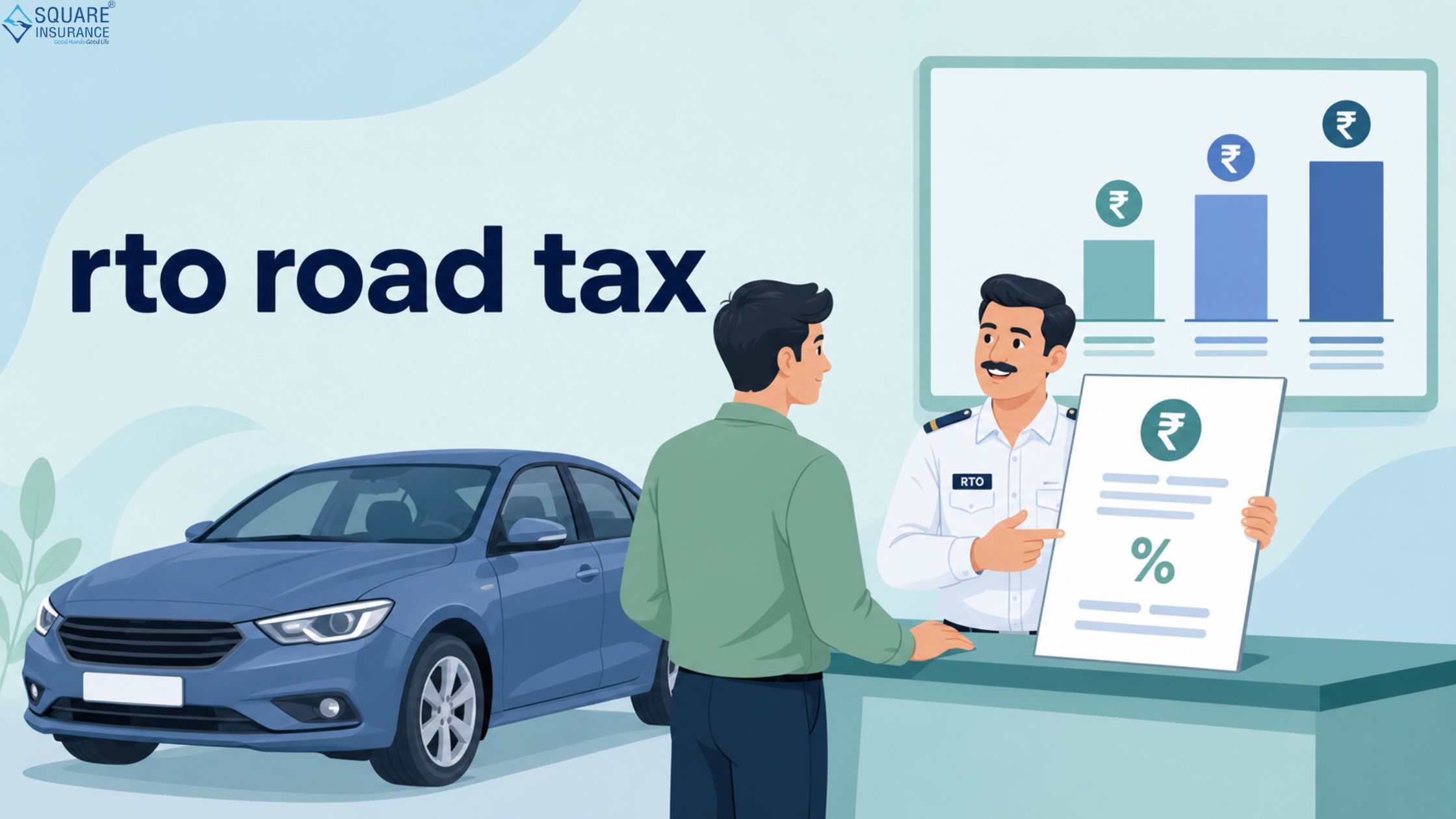
What is RTO Road Tax?
RTO road tax is a mandatory tax collected by the Regional Transport Office (rto) when a vehicle is registered for use on public roads. The revenue generated from this tax is generally utilized for the construction, maintenance, and improvement of roads and transportation infrastructure.
Without paying the applicable road tax, a vehicle cannot legally complete its registration process in most Indian states.
Why is RTO Road Tax Important?
Road tax contributes significantly to the development of transportation facilities. It helps governments fund:
Construction of highways and roads
Maintenance and repair of existing roads
Traffic management systems
Public transport infrastructure
Road safety initiatives
For vehicle owners, timely payment of road tax ensures legal compliance and prevents fines or registration-related issues.
Who Needs to Pay RTO Road Tax?
Road tax is generally applicable to:
Private car owners
Two-wheeler owners
Commercial vehicle operators
Goods carriers
Passenger transport vehicles
Taxi and cab owners
Some states also provide exemptions or reduced tax rates for electric vehicles, government vehicles, or specially-abled individuals under applicable regulations.
Factors That Affect RTO Road Tax Calculation
The amount of road tax payable is not the same across India. Several factors influence the final amount.
1. State Government Policies
Every state has its own taxation structure and percentage rates.
2. Vehicle Type
Commercial vehicles usually attract higher taxes than private vehicles due to greater road usage.
3. Vehicle Cost
Many states calculate tax as a percentage of the ex-showroom price.
4. Fuel Type
Diesel vehicles may have different tax rates compared to petrol, CNG, or electric vehicles.
5. Engine Capacity
Some states impose different slabs based on engine displacement (CC).
6. Vehicle Age
Older vehicles may require renewal fees or revised taxation depending on local regulations.
7. Seating Capacity or Weight
Commercial buses and goods vehicles are often taxed based on seating capacity or gross vehicle weight.
State-Wise Calculation Methods for Road Tax
Although every state follows its own rules, the most common calculation methods include:
Percentage of Ex-Showroom Price
Many states charge road tax as a fixed percentage of the vehicle's invoice or ex-showroom value.
Example:
Vehicle Price: ₹10,00,000
Applicable Tax Rate: 10%
Road Tax = ₹1,00,000
Fixed Tax Slabs
Some states classify vehicles into different price categories and assign a fixed tax amount.
For example:
Up to ₹5 lakh
₹5 lakh to ₹10 lakh
Above ₹10 lakh
Each slab has a predefined tax percentage or amount.
Based on Engine Capacity
Certain states charge tax according to engine size.
For example:
Up to 1000 CC
1001–1500 CC
Above 1500 CC
Higher engine capacity generally results in higher taxation.
Lifetime Tax Model
Several states collect a one-time lifetime road tax during vehicle registration instead of annual payments for private vehicles.
This allows owners to pay once rather than renewing tax every year.
Annual Tax Model
Commercial vehicles often pay road tax annually or quarterly depending on permit conditions and state regulations.
How to Calculate RTO Road Tax?
A simple estimation can be made using this formula:
Road Tax = Ex-Showroom Price × Applicable State Tax Percentage
However, additional charges such as cess, registration fees, or environmental levies may also apply.
Vehicle owners should verify the latest applicable rates before registration.
How to Pay RTO Road Tax?
Road tax payment can usually be completed through multiple methods.
Online Payment
Many state transport departments provide online payment facilities where users can:
Enter vehicle details
Verify applicable tax
Complete payment digitally
Download payment receipts
Offline Payment
Owners may also visit the concerned RTO office with required documents and submit payment through approved methods.
Documents Required for Road Tax Payment
The following documents are commonly required:
Vehicle invoice
Registration application
Identity proof
Address proof
Insurance certificate
Pollution Under Control (PUC) certificate (where applicable)
Form prescribed by the transport department
Requirements may differ slightly across states.
What Happens if Road Tax is Not Paid?
Failure to pay road tax within the prescribed period may lead to:
Monetary penalties
Late payment charges
Registration delays
Legal notices
Vehicle seizure in severe cases
Restrictions during ownership transfer
Timely payment helps avoid unnecessary complications.
Road Tax for Used Vehicles
When purchasing a used vehicle, buyers should confirm whether previous road tax has already been paid.
If the vehicle is transferred to another state, the owner may need to:
Apply for No Objection Certificate (NOC)
Pay fresh road tax in the new state
Claim a refund from the previous state if eligible
The refund process depends on state-specific regulations.
Are Electric Vehicles Exempt from Road Tax?
Many Indian states encourage electric mobility by offering:
Full exemption from road tax
Partial tax rebates
Reduced registration charges
These incentives vary by state and may change over time based on government policies.
Tips for Vehicle Owners
To stay compliant with road tax regulations:
Verify state-specific tax rates before buying a vehicle.
Keep payment receipts safely stored.
Check eligibility for exemptions or concessions.
Complete tax payments before registration deadlines.
Ensure all vehicle documents remain updated.
Frequently Asked Questions (FAQs)
Q1. What is RTO road tax?
RTO road tax is a mandatory tax imposed by state governments on vehicles for using public roads and completing the registration process.
Q2. Is road tax the same across all Indian states?
No. Every state has its own taxation rules, rates, and calculation methods.
Q3. Is road tax paid once or every year?
Private vehicles in many states pay lifetime road tax, while commercial vehicles often pay annually or quarterly.
Q4. How is road tax calculated?
It is commonly calculated based on the vehicle's ex-showroom price, engine capacity, fuel type, or applicable state tax slabs.
Q5. Can road tax be paid online?
Yes. Many transport departments provide online payment facilities through their official portals.
Conclusion
Understanding rto road tax rules and state-wise calculation methods helps vehicle owners make informed financial decisions and remain compliant with transport regulations. Since tax structures vary across different states and vehicle categories, verifying the applicable rates before registration is always advisable. For individuals seeking reliable guidance on vehicle insurance and related services, Square Insurance offers valuable support to simplify the overall ownership experience.
Please Note: Stay connected with your insurance services conveniently through Square Insurance POS Apps on Google Play and manage your policies online whenever you need them.
Comments
Log in or sign up to join the conversation.