

Road safety and vehicle identification have become increasingly important as the number of vehicles on Indian roads continues to grow. To improve security, reduce vehicle-related crimes, and standardize registration plates nationwide, the government introduced What are High Security Registration Plates in India as a mandatory requirement for registered vehicles. These advanced number plates are designed with tamper-proof features that help authorities identify genuine vehicles quickly while minimizing the risk of duplicate or fake registration plates.
Whether you own a new vehicle or an older one, understanding the latest updates regarding High Security Registration Plates (HSRP) can help you stay compliant with legal requirements and avoid unnecessary penalties. This guide explains everything you need to know about HSRP, including its features, benefits, application process, fees, latest regulations, and more.
What is a High Security Registration Plate (HSRP)?
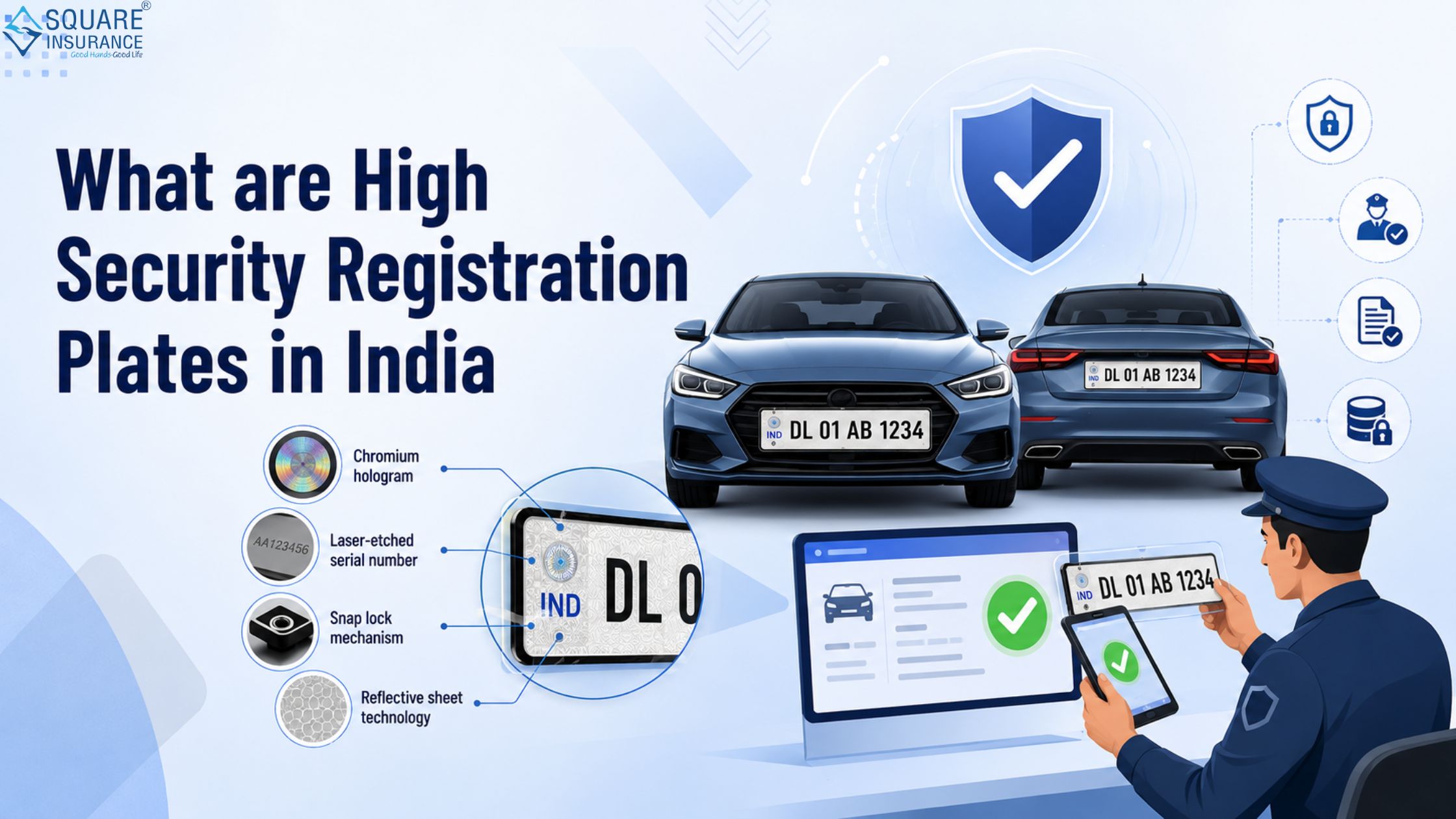
A High Security Registration Plate (HSRP) is a standardized vehicle registration plate made of aluminum and equipped with several security features. It is issued by government-authorized vendors and is permanently fixed to the vehicle using non-removable snap locks.
Unlike traditional number plates, HSRPs are manufactured using advanced technology that makes them difficult to duplicate or tamper with.
Why Were High Security Registration Plates Introduced?
The Government of India introduced HSRPs to:
Prevent vehicle theft
Eliminate fake registration plates
Improve road safety
Enable easier vehicle identification
Maintain a centralized vehicle registration system
Assist law enforcement agencies during investigations
The implementation of HSRPs has significantly improved vehicle traceability across different states.
Latest Update on High Security Registration Plates in India (2026)
Several states have intensified the implementation of HSRPs for vehicles registered before April 2019. Authorities continue to encourage vehicle owners to replace old registration plates with approved HSRPs within the prescribed timelines.
Some important updates include:
HSRPs remain mandatory for most registered vehicles.
State transport departments continue issuing notifications regarding installation deadlines.
Vehicles without compliant registration plates may attract penalties under the Motor Vehicles Act.
Authorized dealers and approved vendors are responsible for manufacturing and installing HSRPs.
Colour-coded fuel stickers continue to be required in many locations along with HSRPs.
Vehicle owners should regularly check notifications issued by their respective state transport departments regarding compliance requirements.
Key Features of High Security Registration Plates
HSRPs include multiple security elements that distinguish them from ordinary registration plates.
1. Aluminum Construction
HSRPs are made from high-quality aluminum that offers durability and long service life.
2. Chromium-Based Hologram
Every plate carries a chromium hologram featuring the Ashoka Chakra, making duplication extremely difficult.
3. Laser-Etched Permanent Identification Number
Each HSRP has a unique laser-etched serial number that provides an additional layer of security.
4. Tamper-Proof Snap Locks
The plates are fixed using special non-removable snap locks that prevent unauthorized removal.
5. Reflective Sheeting
The reflective background improves visibility during nighttime and adverse weather conditions.
6. Colour-Coded Fuel Sticker
Many vehicles also require a colour-coded fuel sticker indicating whether the vehicle runs on petrol, diesel, CNG, or electric power.
Benefits of High Security Registration Plates
Installing an HSRP provides several advantages beyond legal compliance.
Better Vehicle Security
The advanced security features make it difficult for criminals to create duplicate number plates.
Easier Vehicle Identification
Law enforcement agencies can identify vehicles more efficiently using standardized plates.
Reduced Vehicle Theft
Tamper-proof technology discourages theft and unauthorized vehicle modifications.
Improved Traffic Enforcement
Modern traffic surveillance systems and automatic number plate recognition (ANPR) cameras function more effectively with standardized HSRPs.
Enhanced Road Safety
Uniform registration plates improve readability for traffic authorities and enforcement agencies.
Who Needs an HSRP?
Generally, HSRPs are mandatory for:
Private vehicles
Commercial vehicles
Two-wheelers
Four-wheelers
Goods carriers
Passenger vehicles
Owners of older vehicles should verify whether their vehicles require HSRP installation according to state-specific regulations.
Documents Required for HSRP Application
Vehicle owners usually need:
Registration Certificate (RC)
Vehicle registration number
Chassis number
Engine number (if required)
Mobile number
Identity proof (where applicable)
Requirements may vary slightly across states.
How to Apply for a High Security Registration Plate
The application process is straightforward.
Step 1: Visit the Authorized HSRP Portal
Select your state or authorized vendor portal.
Step 2: Enter Vehicle Details
Provide:
Registration number
Chassis number
Engine number (if required)
Step 3: Verify Information
Ensure all details match the Registration Certificate.
Step 4: Select Installation Location
Choose your preferred dealership or authorized installation centre.
Step 5: Pay the Applicable Fee
Complete the online payment.
Step 6: Book an Appointment
Choose a convenient installation date and time.
Step 7: Visit the Installation Centre
Carry your vehicle and appointment confirmation for plate installation.
HSRP Charges
The cost of an HSRP depends on factors such as:
Vehicle category
State regulations
Plate type
Additional colour-coded fuel sticker
Charges may vary across different states, so vehicle owners should verify the applicable fee before applying.
Penalty for Not Having an HSRP
Driving a vehicle without a mandatory High Security Registration Plate may lead to:
Monetary fines
Traffic challans
Compliance notices
Possible inconvenience during inspections
Timely installation helps avoid penalties and ensures compliance with transport regulations.
Common Mistakes to Avoid
Vehicle owners should avoid the following:
Purchasing plates from unauthorized vendors
Entering incorrect vehicle details
Missing the installation appointment
Delaying replacement after state notification
Attempting self-installation
Always use government-authorized centres for installation.
Tips for Vehicle Owners
To ensure a smooth HSRP application process:
Keep your Registration Certificate readily available.
Double-check vehicle details before submission.
Save your payment receipt.
Arrive on time for your installation appointment.
Follow updates issued by your state transport authority.
Future of High Security Registration Plates
The adoption of smart traffic management systems and digital vehicle databases is expected to increase the importance of HSRPs. Their standardized format supports automated enforcement technologies, improves record accuracy, and strengthens road safety initiatives. As transport infrastructure continues to modernize, HSRPs will remain an essential part of India's vehicle registration framework.
Frequently Asked Questions (FAQs)
Q1. What is a High Security Registration Plate (HSRP)?
A High Security Registration Plate is a tamper-proof aluminum number plate with advanced security features such as a hologram, laser-etched identification number, reflective sheeting, and non-removable snap locks.
Q2. Is HSRP mandatory in India?
Yes, HSRPs are mandatory for most vehicles, and many states require older vehicles to replace conventional number plates with HSRPs according to notified timelines.
Q3. Can I install an HSRP myself?
No. HSRPs should only be installed by authorized dealers or approved installation centres.
Q4. How long does HSRP installation take?
Once your appointment is confirmed, installation generally takes a short time at the authorized centre, depending on the workload.
Q5. What happens if I do not install an HSRP?
You may face penalties, challans, or other enforcement actions under applicable motor vehicle regulations.
Q6. Are HSRPs available for two-wheelers?
Yes. HSRPs are available for motorcycles, scooters, cars, commercial vehicles, and other registered vehicles.
Conclusion
High Security Registration Plates have become an integral part of India's vehicle registration system by enhancing vehicle security, supporting law enforcement, and promoting standardized identification across the country. Staying informed about the latest HSRP regulations, completing the installation through authorized channels, and complying with state-specific requirements can help vehicle owners avoid penalties while contributing to safer roads. For vehicle owners seeking reliable insurance solutions alongside vehicle-related guidance, Square Insurance offers comprehensive support to simplify your insurance journey.
Comments
Log in or sign up to join the conversation.