

- Predictable Galectin-3 test identifies responders with greatly increased accuracy
- Excluding high Galectin-3 patients will drive up response rates in ongoing KEYTRUDA® studies and possibly quicker approval
- High Galectin-3 patients should be eligible for combination therapy with galectin blocker - belapectin
- Massive 50% + reduction of Merck sales if testing for high Galectin-3 is used
- Optimal solution – buy Galectin Therapeutics
Research on the role of Galectin-3 is increasing almost exponentially. Galectin-3 has been proven to be involves in NASH fibrosis and cancer. The implication for controlling/reversing NASH fibrosis by blocking the Galectin-3 is being advanced by Galectin Therapeutics to a Phase III trial later this year. NASH is one of the last large population diseases without a therapy and has attracted a lot of attention. Large and small drug development companies are looking at developing treatments for NASH. Only Galectin Therapeutics (GALT) is looking at advanced stage NASH fibrosis, the others are targeting earlier stage disease.
Even more interesting, but underappreciated, is the role of Galectin-3 in cancer therapy, specifically immunotherapy. On March 31, 2019 the International Journal of Molecular Sciences published an abstract titled “Predictive Biomarkers for Checkpoint Inhibitor-Based Immunotherapy: The Galectin-3 Signature in NSCLC’s.” The results shocked the cancer immunotherapy community by showing the possibility of a highly predictive biomarker for Merck’s (MRK) KEYTRUDA® in non-small cell lung cancer (NSCLC). MRK has been very aggressive in expanding the indications that KEYTRUDA® is approved for. The sales are running at $2.15 billion/quarter .
Predictive biomarkers are currently used by clinicians and treating physicians to “personalize” the treatment options for cancer patients. In the case of non-small cell lung cancer (NSCLC), KEYTRUDA® as a monotherapy can be used only if the patient has high PD-L1 expression [tumor proportion score (TPS) ≥50%], with no EGFR or ALK genomic tumor aberrations, as determined by an FDA-approved test, .
The study found that patients in the KEYTRUDA® NSCLC trial with low to medium Galectin-3 pathology scores, responded at a rate of 100% in the 34 person trial. While the patients that had high Galectin-3 responded at a significantly lower rate. The response rate for high Galectin-3 patients were low enough to say the treatment failed these patients.
On the surface, finding a predictive biomarker with such a high correlation of success is excellent news for all KEYTRUDA® patients. One could also extrapolate the results to say that regardless of what immunotherapy is being used, this predictive test will be extremely useful since Galectin-3 has been shown in other clinical trials (reference to Portland) to interfere with the treatment. However this fantastic discovery could come at a great cost for Bristol-Myers Squibb (BMY), other immunotherapy drug developers, and especially MRK.
This article will first explain the galectin phenomenon, then delve into the business management and the ethical responsibilities of big pharma which could be in direct opposition with each other. It will also evaluate different investment strategies and ways to profit from the breakthrough. The news is essentially a breakthrough for personalizing medicine for ALL immunotherapy cancer patients.
Galectin Background
Most readers have no idea what a galectin is, let alone have ever heard it mentioned before in drug development conversations. Only one publicly traded company, Galectin Therapeutics (GALT) deals exclusively with therapy targeting galectins. They have an experienced team backed by a billionaire, but have spent little to no effort marketing the technology to big pharma. So Wall Street has never heard of them or this technology. It’s crucial to establish a baseline understanding of galectins before we ask the reader to take the leap of faith that this may be one of the biggest cancer therapy advancements of the decade.
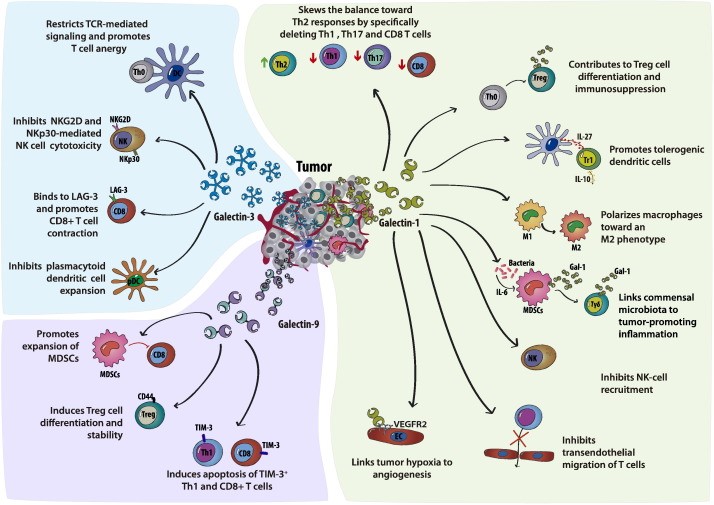
Galectins are a class of proteins that have a strong tendency to bind to carbohydrates. Most of these specialized proteins are concentrated in immune cells. The proteins have a lattice type of structure and have a tendency to bind to one another and Beta-galactoside carbohydrates. They are located inside and outside the cell. For the purpose of this article, only extracellular galectins secreted by the tumor cells will be discussed. There are 15 galectin subtypes but the galectin-3 is the primary subtype studied in most types of cancer tumors. Galectin-3will be discussed within this article. Galectin-3 is overexpressed on many indications of cancer. If you looked at the molecular structure, it resembles a snowflake which means it’s capable of forming interlocking structures. Readers will need to recall this information later in the article when referencing plaque on the T-cell.
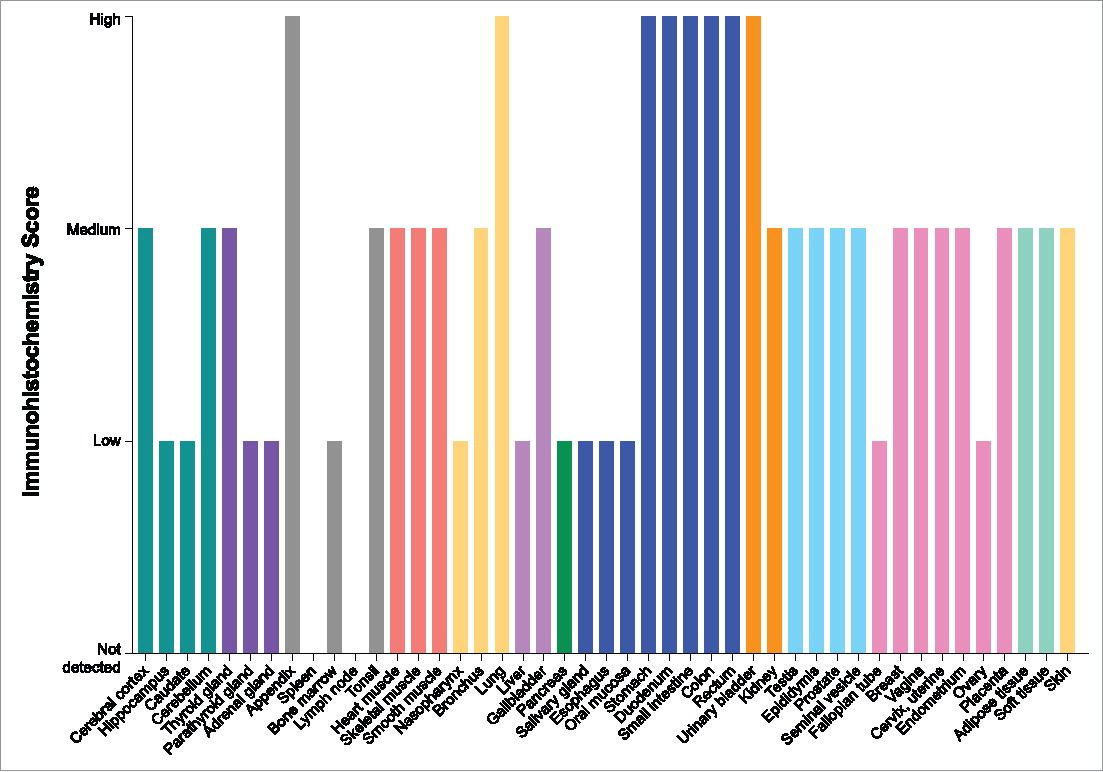
Many abstracts have pointed out that Galectin-3 is a promising target in cancer and other diseases. In fact there are over 20 different diseases that point to galectins as the promoter of disease progression. They include major diseases such as NASH, atopic dermatitis, plaque psoriasis, diabetes, Alzheimer’s, AMD, Sickle Cell Anemia, Cystic Fibrosis, Crohn’s Disease, Multiple Sclerosis, endometriosis, and more. To illustrate just how important this target is, the reader should type any chronic disease plus the galectin-3 keyword into google and see what surfaces. The body of galectin research is growing quickly as the research points out that the galectin-3 target is responsible for metastasis, angiogenesis, migration, invasion, T-Cell apoptosis, and blocking of Natural Killer (NK) cell function with respect to cancer.
Despite this mountain of evidence and game changing study on the galectin-3 prognostic test, the fact remains that only one public company and 2-3 private companies have developed galectin-3 inhibitors and have human trial results. Suffice it to say that galectins are involved in all the chronic inflammatory diseases. A galectin-3 land rush in biotech might be upon us.
The Galectin Effect
Cancer has many defense mechanisms, most notable among them is its ability to remain undetected by the immune system. The most obvious form of protection is the encapsulation inside stromal cells of the cancer tumor. These stromal cells form a barrier to protect the cancer and are responsible for the secretion of galectin-3 in the tumor microenvironment. The Ludwig Institute uncovered the mechanism in which “a broad variety of tumor cells thwart attack by killer T-cells of the immune system by coating them to what amounts to molecular glue.” The galectin-3 secretions are able to stop activated T-cells or CD8+ by impairing the motility of their LFA1 receptors on the T- cell from latching on tightly to the tumor cell in order to kill it.
This graphic shows how this galectin plaque like glue inhibits the normal function of T-cells. A T-cell is designed to kill only one type of cell which means it needs to snug up to the foreign/invading cell to get good adhesion then it opens up portals to the target cell to inject the cytokines to destroy it. Depicted in the graphic below on the right is what happens when a T Cell Receptor (TCR) is triggered by the tumors antigen. The LFA-1 lectins act like grappling hooks to converge to the site of the cell that was activated. The LFA-1 lectins can move freely on the T cells surface and get good adhesion to the cell. In the presence of galectin-3 plaque secreted by the tumors stromal cells designed to protect the tumor, the T Cells LFA-1 lectins are stuck in place and cannot move to the rally point. Without good adhesion to the tumor cell the T-cell is unable to kill the foreign entity. The galectin plaque renders the T cell anergic, which means they fail to respond when activated. This discovery explains why immunotherapy will not work with patients that have tumors that express high levels of Galectin-3.
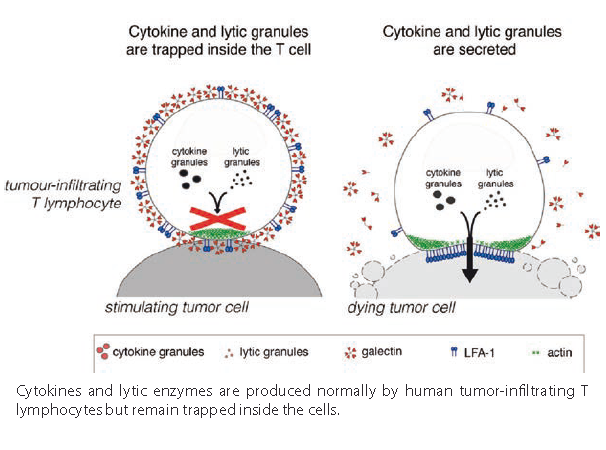
Ludwig Institute
The most recent study on Predictive Biomarkers for Checkpoint Inhibitor-Based Immunotherapy demonstrated that high Galectin-3 levels resulted in poor prognosis for the patients. The checkpoint blockade essentially extends the lifeline of the T-cells. The only issue with the checkpoint blockade therapy is that if the galectin level is high, the T-cells are saved from cell death, but are rendered anergic by the galectin-3 plaque secreted by the tumor cells in the tumor microenvironment.
KEYTRUDA® - NSCL Prognostic Test Results
On March 31,2019, the International Journal of Molecular Sciences published an abstract titled “Predictive Biomarkers for Checkpoint Inhibitor-Based Immunotherapy: The Galectin-3 Signature in NSCLC’s.” The pilot study sought to evaluate 34 patients that were treated with KEYTRUDA® for NSCLC. They described a strong “galectin signature.” In the study they found that the level of Galectin-3 in the tumor environment was highly correlated to tumor responsiveness to anti PD-1 immunotherapy. Anti PD-1 immunotherapy includes the following drugs; KEYTRUDA®, OPDIVO, TECENTRIQ, INFINZI. The original biopsies were graded based on their galectin expression. Then the patients were classified as high galectin-3 expression or they were classified as low/intermediate galectin-3 expression The results were unprecedented, but agreed with previous research on the role of Galectin-3 in cancer treatment. references
An ideal prognostic test leads the doctor to choose between therapies. The intention is to improve outcomes. The test should lead the treating physician to choose the treatment regimen that optimizes the patients’ response to the treatment. Obviously, the patient wants the choices to be very clear.
One test that is currently required before using KEYTRUDA®, is the PD-L1 test. Patients that had low expression didn’t respond as favorably. However, the PD-L1 test is not very conclusive or predictive test and has been scrutinized. A historical ORR of 33% with KEYTRUDA®, means that 67% of the people are failing this targeted therapy. It is clear that a better predictive test is needed.
The Galectin-3 Signature study showed that all of the patients which had low to intermediate galectin-3 expression, had an “early and durable objective response” to KEYTRUDA®. The results are shown in the chart. The downward sloping lines mean the tumor volume is decreasing and the treatment worked. What this study clearly demonstrated is that the predictive value is very high for a Galectin-3 test. One can conclude that using the test will result in a more positive result when using KEYTRUDA®. If future trials of KEYTRUDA® were done on NSCLC patients screening for the galectin-3 instead of the PD-L1, The ORR could climb to 95%+ vs 33% in future trials and treatments if the Galectin-3 test is used to screen patients.
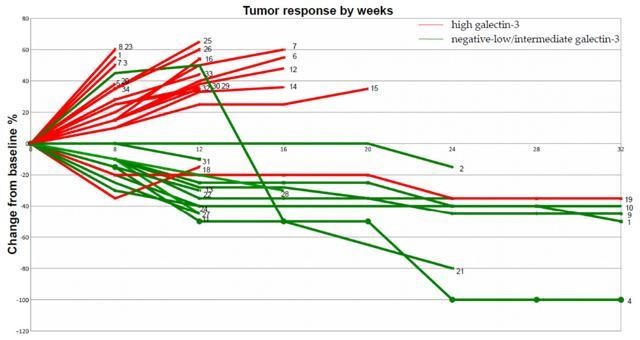
High Galectin-3 expression patients, 90% or 19 of 21, got worse and showed a dramatic progression of the disease after 3 cycles of treatment, despite their high PD-L1 expression.
So the PD-L1 test has low if any predictive value. Contrast this with the predictive value of the Galectin-3 test. Overall this looks like a very promising prognostic test which would be in demand from the doctors and patients.
The thesis of the study was that more reliable predictive biomarkers are needed for better selection of immunotherapy candidates and better outcomes for the patients. Analysis showed that the “galectin signature” was a key determinant of poor outcomes. The primary conclusions of the study was that this may represent a “general mechanism of cancer cell resistance to immunotherapy.” Additionally, Dr. Capalbo, the primary researcher, mentioned the value of a Galectin-3 inhibitor like GR-MD-02 “both alone and in combination with checkpoint inhibitors in different cancer settings.” Dr. Capalbo emphasized the value of the study and that “the galectin-3 signature, at least in NSCLSs, has the potential to be a surrogate marker of tumor responsiveness to (KEYTRUDA®) pembrolizumab.”
Galectin-3 Test Could Increase Objective Response Rates
The implications of the galectin effect are far reaching for ALL immunotherapy. Since KEYTRUDA® is a checkpoint inhibitor, the Galectin-3 test could be useful for all the other immunotherapy drugs. Bristol-Myers Squibb (BMY), Roche Holding AG (RHHBY), Astrazeneca (AZN), and Pfizer (PFE) are developing these drugs. KEYTRUDA® and OPDIVO have been battling for supremacy of the Immuno Oncology (I-O) market since 2016.
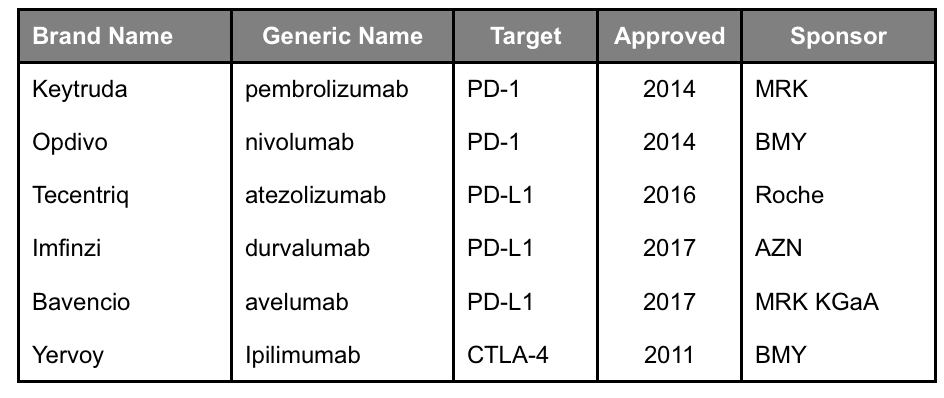
One of the most effective way to increase response rate is through biomarker profiling. Companies continually do new studies intending to show how combinations are better than previous monotherapy and combination therapies, and how specific biomarkers can fine tune the responses. Response rate and the toxicity profile are the facts the companies use to convince the FDA to approve their therapy. They also use this same information to convince doctors to use their therapy instead of the competitors. .
BMY published a study that showed tumor mutational burden (TMB) was a predictor of a higher likelihood of lung cancer response to their immunotherapy combination. The TMB test was developed by Neogenomics, Inc. (NEO) who also developed TECENTRIQ’s test for Triple Negative Breast Cancer (TNBC). In the case of the Opdivo / Yervoy combination therapy for lung cancer, the objective response rate (ORR) was 41%. Patients with a higher TMB score had an ORR of 47-48% and fared better on the treatment. Compare this minimal improvement to the sinificant improvement using the Galectin test.
The galectin-3 test can be a real game changer because it could increase KEYTRUDA®’s 33% ORR into a 90% ORR based on the study results. This improvement may be similar for all
I-O drugs. If so, all companies developing I-O therapy or combinations, may start using the Galectin-3 test to screen patients. Gilead (GILD), Bluebird (BLUE), Incyte (INCY), Celldex Pharmaceuticals (CLDX), Ziopharm Oncology (ZIOP), Cellectics (CLLS), and Atara Biotherapeutics (ATRA) might all start redesigning their trials with the goal of pushing up their response rates. It should be very clear that Galectin-3 testing is vital in I-O trial patient selection, as stated in Dr Capalbo’s conclusion. This is great news for patients and the industry as a whole but there is a downside which is an ethical dilemma.
Ethical Dilemmas
As word of this prognostic test travels, MRK will need to enact some sort of protocol moving forward with the treatment of NSCLC and other IO therapies. Approximately 62% of the patient population in this trial had high galectin-3 scores. The statistically relevant data in this pilot study indicates that the upcoming studies from 4 other institutes are going to confirm this finding. Merck is at the forefront of this quandary because the study clearly singles out KEYTRUDA®. MRK cannot hide behind the argument that their drug works differently than the other I-O drugs. The FDA mandated PD-L1 testing for many cancer indications using the checkpoint blockade, it’s just a matter of time before they mandate galectin-3 testing. In retrospect the PD-L1 test was flawed because it ultimately allowed almost 62% of patients to take a drug that would not be beneficial. Inaction is no longer an option because it could ignite into an ethical firestorm as pundits point fingers that MRK is dragging its feet at embracing the galectin-3 test so that they can continue to treat as many high scoring galectin-3 patients as possible in pursuit of profitability. The first question is whether or not MRK will take the moral high ground on the issue and be proactive, or if they will simply wait for the FDA mandate which is likely to follow. It will also be interesting to see how far they will go with their other indications or if they stop at NSCLC and wait for additional pilot studies to tip their hand. This is the first dilema.
The next dilema is the treatment of patients with high galectin-3 levels. MRK should have an ethical responsibility to treat these patients and conduct clinical trials including them. It is clear from the study that high galectin-3 was responsible for the poor response of these patients. The logical next step is giving these patients a galectin-3 blocker if one exists. The reality is that one does exist which is entering phase 2. It is going to be very interesting to see if MRK will do the right thing. The consequences of their decision could have serious repercussions. The rationale behind this thinking is that for well over a year, data from Galectin Therapeutics (GALT) showed in a pilot study for melanoma patients that KEYTRUDA® in combination with GR-MD-02 (belapectin) had a 67% ORR compared to KEYTRUDA®’s 33% historical ORR. However, this study wasn’t an apples to apples comparison, it’s quite understated. The pilot study was only 5 months versus 2 years of treatment with KEYTRUDA® and included patients in the pilot that were not taking the optimal dose of the combination therapy. In layman’s terms the combination therapy using the optimum dose for refractory patients (high galectin-3) yielded double the response rate of KEYTRUDA® monotherapy in 1/8th the time AND with fewer side effects. The complete response rate below from a refractory melanoma cancer patient study speaks volumes. MRK must be aware of this study that makes their drug twice as good in less time. It is unknown why they have not moved forward with a licensing deal with GALT.
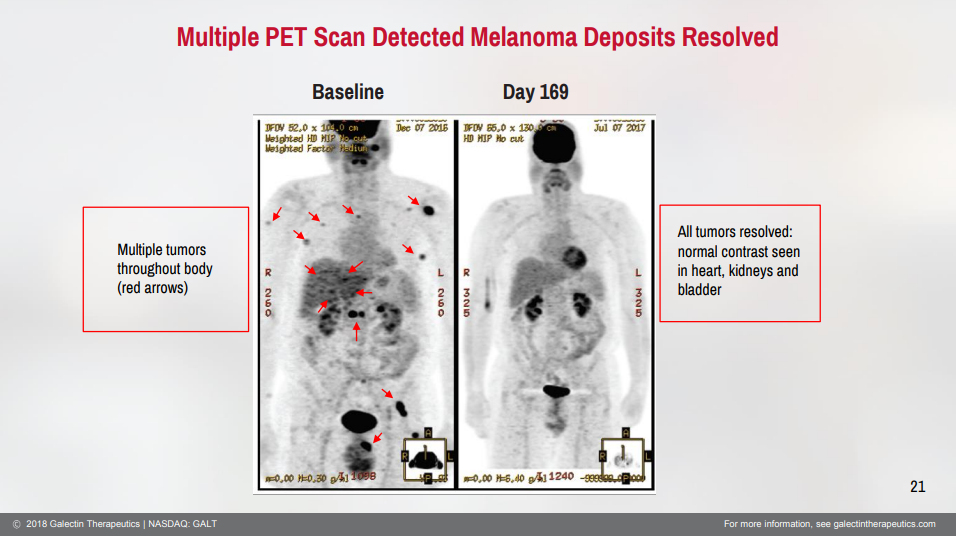
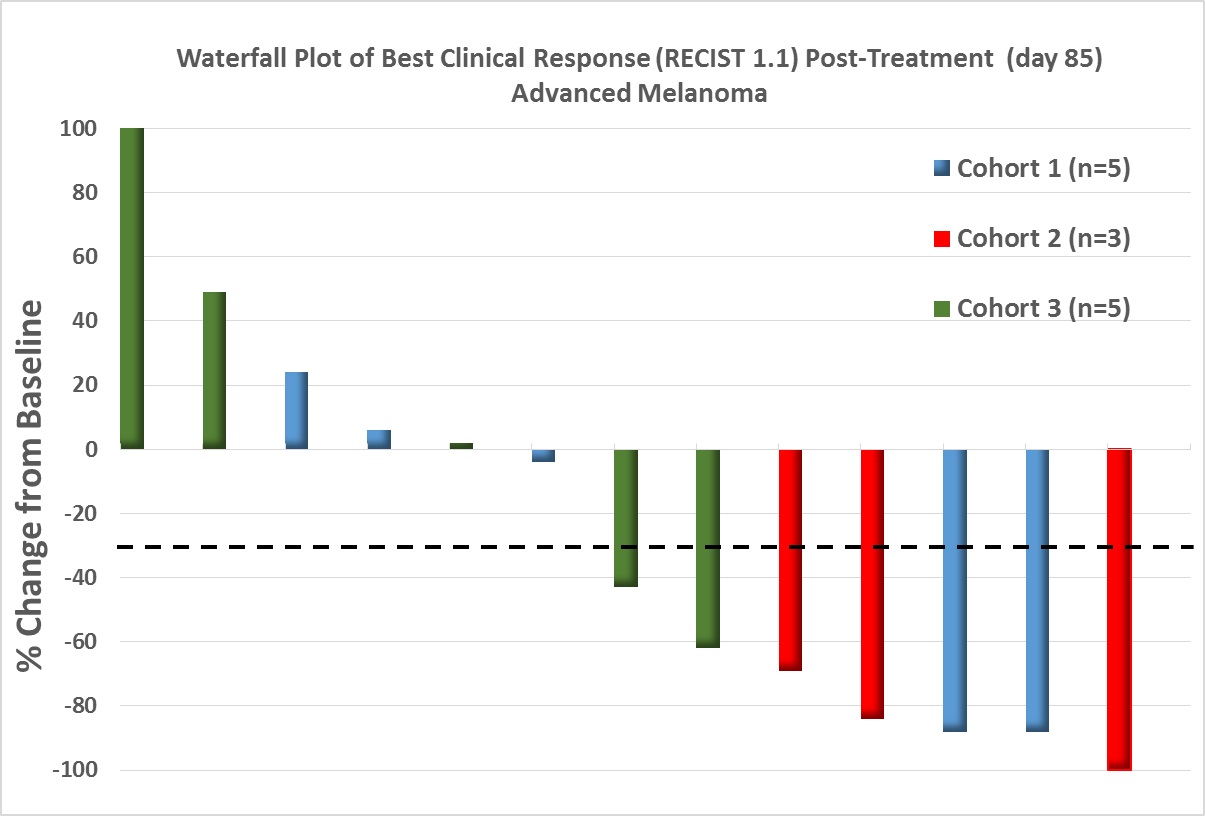
MRK might have believed that testing for galectin 3 and waiting to move forward with combination therapy would cannibalize sales. If that was the rationale they clearly placed sales over ethics. Their analysts might have made a huge mistake on an economic level. It is actually more profitable in the long run to pursue the acquisition of GALT and belapectin because many might forget that MRK is ultimately beholden to BMY. In 2017 MRK and BMY settled a patent dispute for KEYTRUDA® whereby MRK agreed to pay $625 million and a 6.5% royalty through 2023 and then 2.5% for an additional 3 years. Nothing in the agreement precludes MRK from dropping the price of KEYTRUDA®. In doing so they would pay smaller royalties to BMY, their competitor. MRK could more than make it up on belapectin sales. Investors need to keep in mind that belapectin could be much bigger than KEYTRUDA® because in the Italian study 62% of patients seem to have high galectin-3 expression versus the 38% that responded to KEYTRUDA® This means that if MRK uses the combination therapy they could treat all of the same patient population with a significantly better response rate. A review of the belapectin study shows that 100% of cohort 3 which the Providence Cancer Institute labeled as the optimal dose had a significant response rate.
Galectins - The Next Biotech Landrush - Rise of the Galectins
From the Italian study it seems KEYTRUDA® needs belapectin more than belapectin needs KEYTRUDA®. Major competitors like BMY can ill afford to let MRK walk away with belepectin and execute on a strategy which would shrink their royalty stream. These two alone could spark a bidding war for a galectin-3 inhibitor, but MRK has the advantage. They have a high degree of certainty from the phase 1 study that the combination therapy is effective. The Italian study is essentially the spark of a new gold rush in biotech that includes all the I-O companies and other cancer companies combined. The key finding is that galectin-3 is clearly implicated in cancer and may hold to (the) key to much better response rates for most IO cancer drugs. The licensing potential is enormous. Investors need to see the big picture, perhaps the same picture that GALT chairman and billionaire investor Richard Uihlein saw when he recently pledged $20 million in a recent rights offering. Other major biotechs like GILD which seem very focused on expanding their pipeline may see this as a platform technology that also gets them the pole position in late stage NASH. It’s worthy to mention that NASH is one of the greatest unmet medical needs in the country. GALT is the sole company that has demonstrated statistically relevant efficacy in late stage NASH Cirrhosis. Galectin-3 is implicated is so many chronic diseases that MRK might want to move early and quickly in this potential land grab for technology.
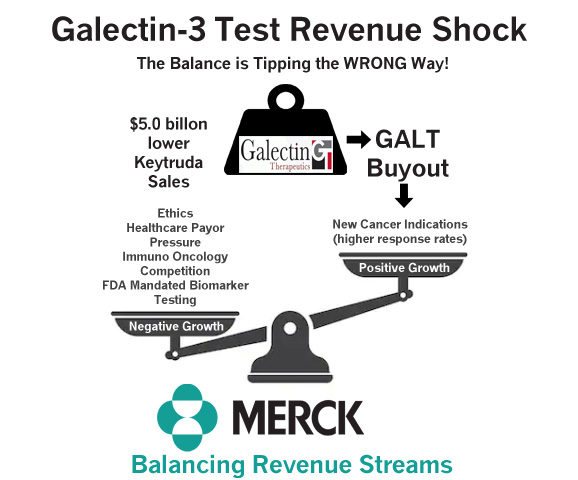
MRK is on the cusp of facing an onslaught of negative revenue growth due to the emergence of the galectin-3 prognostic test. As it sits right now, MRK has taken no action and has not mentioned it in any 8-K filing. They are a big company and could simply be digesting the ramifications and formulating a crisis action plan. They could also be deciding to take no action and ignore this news and hope nothing happens. It’s not the most ethical choice to do and say nothing, but it’s completely possible. The major problem with that strategy is that if this story gets any traction whatsoever, special interest groups and patient advocacy groups are going to start clamoring to the FDA to do something, because after all, this statistically relevant data is hard to ignore. Assuming the FDA takes its time, investors can be sure that healthcare payor’s are going to mandate galectin-3 testing before shelling out an estimated $150,000 in annual care for KEYTRUDA® patients when statistical research shows it won’t work. Assuming KEYTRUDA®’s $8.0 billion plus annual run rate in sales, an estimated $5.0 billion in revenue would be paid by healthcare payor’s for an ineffective treatment.
MRK is the frontrunner in I-O therapy and there are almost 800 clinical trials actively recruiting for monotherapy and combination therapy. BMY has close to 750 and seems to be willing to do anything to get a leg up on its competition. Using biomarkers to push up the ORR of I-O drugs is something that is imminent for all the big pharma players. The competition should be extreme and there might be a first to market mentality which could create a land grab for the two or three galectin players in the galectin space. The smaller I-O companies can now tweak their trial results by excluding patients with high levels of galectin-3 even though the test has not been mandated by the FDA. These modifications should push up their ORR and in general lead to a greater probability of approval. All these potential new approvals are going to slowly erode MRK’s market share of I-O therapy if they choose to do nothing.
Merck's Ideal Battle Plan
Merck has so many resources at its disposal it is hard to figure out what course of action they will ultimately take and when, but there is an optimal approach which will be discussed here. It should be evident by now MRK’s top priority should be getting prepared for a material revenue-altering ruling regarding the requirement of a galectin-3 test from the FDA that would not only affect them, but all the I-O drug developers. It is naive for investors to think that healthcare payers are going to give MRK another $5.0 billion to pay for ineffective treatment without eventually mandating a galectin-3 test in order to get reimbursement. The next priority is purchasing GALT or licensing their technology immediately. When the proverbial hammer drops about the fate of the galectin-3 test, they need to realize that the galectin-3 test may adversely hurt revenues in the short run. But in the long run it creates a newer and even bigger market for galectin inhibitor combination therapy, when they receive marketing approval. This is a no lose strategy for MRK because the market cap of GALT is only $200 million for a phase 3 ready drug that could receive breakthrough designation if they simply asked the FDA. The Providence Cancer Institute which is currently running the clinical trials for GALT is a research institution that has been very slow to move trials forward despite the exceptional data that the combination therapy improved KEYTRUDA® response rates 2 fold. MRK has approximately $10.0 billion in cash and investments as of December 21, 2018 which is more than enough to purchase GALT should they execute this strategic plan.
Alternative plans for MRK are essentially choosing between very bad and worse. For example, they could say nothing and compromise their ethics and continue to rake in revenues from KEYTRUDA® patients that have high levels of galectin-3 expression who have very little chance of a good prognosis. Alternatively, they could put ethics above sales and change focus to using the galectin 3 test and the combination therapy. This could cause their stock collapse on the news that they could lose up to 62% of their existing patients. MRK has an excellent pipeline of drugs, but they failed to invest in galectin-3 inhibitors despite the growing mountain of evidence suggesting they should be doing so. There are about 40 active clinical trials that reference galectin-3. MRK is clearly between a rock and a hard place unless they chose the optimal long term path forward.
Risks
The intention of this article is not to recommend that Merck purchase GALT. Investors should be cautious about buying any company purely on speculation of a takeover. The fundamentals have to be established first and the takeover speculation is just a wild card. It should also be noted that the scenarios discussed in this article are highly speculative in nature and could take a significant time to come to fruition. The investment thesis is that while this galectin-3 test is great for cancer patients worldwide, it is quite negative news for MRK and other I-O companies. This issue could be like a black cloud for the foreseeable future. The soft market in MRK since the beginning of the month could be due to the broader weakness in the pharma and biotech markets. Therefore, the weakness in MRK may not be related at all to the potentiality of coming guidance from the FDA regarding a Galectin-3 test. What is certain is that the Italian test was statistically significant and the 4 confirmatory trials are likely to yield the same results. This means eventually using the galectin 3 test will become an issue. However, the timing of the completion of these confirmatory trials is unknown. It is common that when a major clinical breakthrough is observed additional trials are necessary to validate the results. Although validation is expected there can be no assurances until the trial results come in. Behavior of management is impossible to predict, and reference herein is based on the interpretation of past actions which are not representative of future expectations.
Investment Summary
The galectin science is really starting to be recognized as a major change in the way many diseases are going to be treated. Many big pharmas have chosen to ignore it at great peril. The Italian study is the the shot across the bow which could be the prelude to an all-out war for supremacy in I-O. The results from the Italian study clearly showed failure in I-O treatment is highly correlated to high levels of galectin-3 expression on the tumor. In fact Dr. Capabalo thought that belapectin should be tried ALONE suggesting a market potential of a galectin inhibitor that is separate from the checkpoint blockade therapy. However, the time and expense of evaluating of belapectin alone is probably too great for anyone to undertake. It would be more economical and faster to partner or buy GALT.
When it comes to galectin inhibitors there are really only 2 public companies in the space. Galectin Therapeutics (GALT) and Glycomimetics (GLYC) are drug development companies with galectin inhibitors in their pipeline. Most if not all development stage drug companies should be taking advantage of the galectin-3 test to screen out patients that they know will not respond to immunotherapy. Screening out high risk patients, allows these development companies increase their change of approval. The scarcity of galectin blocking drugs in development puts Merck is in a very precarious position. They have to show their hand and act quickly otherwise competitive forces could deal them a knockout blow. Merck needs to bite the bullet and buy a galectin inhibitor.
One option is Galecto Bio which is a private company that has a phase 2 galectin inhibitor for idiopathic pulmonary fibrosis (IPF). The issue with this company is that they don’t have any results in cancer and they are using an inhaler for delivery. Lack of cancer makes this one a very risky proposition. The other public company GLYC, is clearly not interested in selling and is very early in the development process. GLYC is just starting its Proof-of-concept trial to evaluate safety and viability of its biomarkers. The trial should start in the second half of 2019. The galectin inhibitor with the best cancer trial results for efficacy and safety is from GALT. They have a paltry $200 million market cap versus GLYC’s $515 million market cap. The Portland clinical trials showed that galectin inhibition could increase the potential market from 38% to 90% compared to the checkpoint blockade therapy alone. It’s ironic that Wall Street hasn’t picked up on this extreme decoupling of valuations.
For MRK shareholders the prognosis is not good, and the news of this galectin-3 test may accelerate the stock price drop. For MRK shareholders intent on holding their stock, the investment strategy that makes the most sense is a purchase of GALT as a hedge. This may provide MRK shareholders downside protection against management not executing the optimal plan. It could also serve as a hedge against BMY or one of their other competitors like GILD, acquiring the technology and locking MRK out of galectin combination therapy. Another investment idea is to buy diagnostic companies like Neogenomics (NEO), Invitae's technology (NVTA), and Genocea's (GNCA) ATLAS technology. They will prosper from all the increased testing.
Comments
Log in or sign up to join the conversation.