

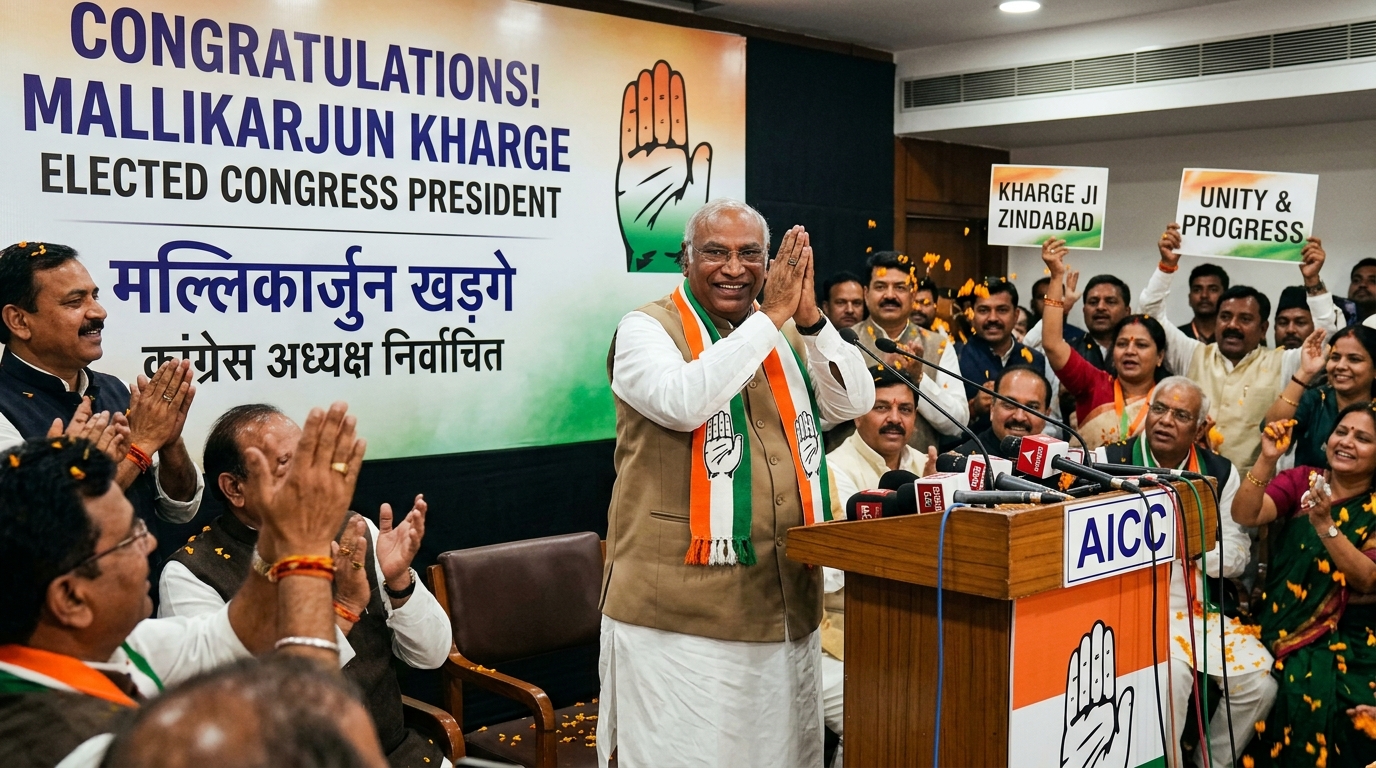
Kharge Elected unopposed to the Rajya Sabha has become a major topic in Indian politics. The uncontested victory reflects strong support within the political landscape and highlights his continued importance as a national leader. However, public attention has not focused solely on the election result. Questions linked to an asset disclosure complaint have also become part of the wider discussion.
The combination of political success and transparency-related concerns has created significant interest among observers. Many people are now examining not only the election outcome but also the broader issues surrounding public accountability, disclosure requirements, and confidence in democratic institutions.
Why the Election Outcome Is Politically Important
An unopposed victory often carries symbolic and practical significance. It can indicate strong backing from lawmakers and demonstrate political stability within a party or coalition.
The development surrounding Kharge Elected has gained attention for several reasons.
Key points include:
It reflects broad support among legislators.
It strengthens parliamentary influence.
It highlights political unity.
It avoids the uncertainty of a contested election.
It reinforces leadership credibility.
It may improve coordination within the party structure.
It attracts national political attention.
It signals confidence among supporters.
Such outcomes often become important reference points in future political discussions.
Examining the Asset Disclosure Complaint
Transparency requirements exist to help ensure accountability among public representatives. Asset declarations are part of that process and are intended to provide clear information to the public.
The complaint connected to Kharge Elected has increased interest in disclosure procedures.
Important aspects include:
Asset declarations support openness in public life.
Accurate reporting helps strengthen trust.
Complaints can trigger official examination.
Oversight mechanisms exist for accountability purposes.
Transparency remains a public expectation.
Legal procedures guide how concerns are reviewed.
Public scrutiny often increases after major elections.
Reporting standards apply to elected representatives.
The matter remains part of a broader discussion about governance and transparency.
Public and Political Reactions
Political events often generate different interpretations depending on perspective. Supporters and critics may focus on separate aspects of the same development.
Responses related to Kharge Elected have reflected this reality.
Common reactions include:
Supporters emphasize the strength of the victory.
Critics focus on disclosure-related concerns.
Political analysts discuss possible implications.
Citizens seek greater clarity regarding reported issues.
Media outlets continue following developments.
Party leaders highlight experience and leadership.
Opposition figures call for accountability.
Public debate remains active across various platforms.
These reactions contribute to continuing interest in the story.
Why Accountability Matters in Democratic Systems
Accountability plays a central role in maintaining confidence in public institutions. Citizens often expect elected leaders to meet established standards and provide accurate information when required.
Readers interested in governance and political accountability can explore TIMES NOW for coverage of major political developments around the world.
The discussion involving Kharge Elected highlights several principles connected to accountability.
Important benefits include:
Greater public trust.
Improved institutional credibility.
Stronger oversight processes.
Better access to public information.
Increased confidence in democratic systems.
More informed public discussions.
Enhanced transparency standards.
Support for responsible governance.
These principles remain important regardless of political affiliation.
What Observers Are Watching Next
As attention continues, many observers are monitoring how the situation develops. Future updates may depend on official reviews, responses, and any new information that emerges.
Several areas remain under close observation.
Points being watched include:
Statements from relevant authorities.
Any formal review processes.
Responses from political representatives.
Future parliamentary developments.
Additional public disclosures.
Media coverage of ongoing events.
Public reaction to new information.
Potential political consequences.
These factors may shape the direction of future discussions.
Final Thoughts
The story of Kharge Elected unopposed while facing scrutiny linked to an asset disclosure complaint reflects the intersection of political achievement and public accountability. The election result highlights strong support, while the disclosure issue has renewed debate about transparency and reporting standards. As official processes continue and new details emerge, public interest is likely to remain strong. The situation reinforces the importance of trust, openness, and responsible leadership in maintaining confidence in democratic institutions and effective governance across society.
Comments
Log in or sign up to join the conversation.