

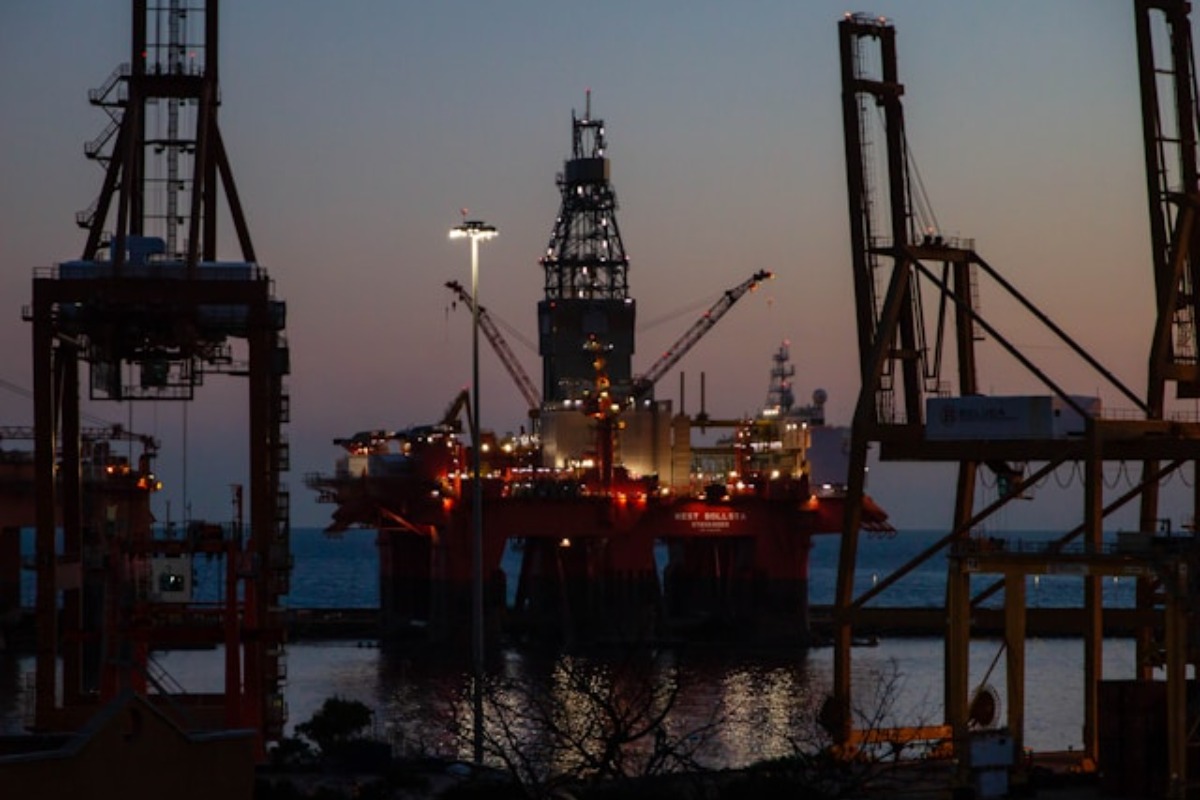
Hurricane Laura is becoming a hazardous storm, and for the energy industry, it is going to produce serious challenges. The National Hurricane Center (NHC) is warning that Hurricane Laura is going to strengthen to a Category 4 Hurricane rapidly and is already impacting production and prices. The Bureau of Safety and Environmental Enforcement(BSEE) reported that 84.3% of Gulf of Mexico oil production had been shut in and 60.94% of natural gas production. That is over 1.5 million barrels of oil per day. Now with a major category 4 storm bearing down on the heart of the energy industry, we can only wait to assess the full impact. Reuters reports that the storm will make landfall by early Thursday in an area that accounts for more than 45% of total U.S. petroleum refining capacity and 17% of oil production, according to the Energy Information Administration.
Every hurricane is different, but a category 4 is a significant storm that packs winds of 130 to 156 miles per hour. At those wind speeds, the NHC says that there is no doubt that catastrophic damage will occur. There are predictions of extreme winds, flash flooding and the likelihood that trees and powerlines will be snapped like twigs. The last category 4 hurricane to hit the Gulf Coast, Harvey, was the costliest storm in U.S. history. That storm hit land and did the double indignity to hang around near the Gulf, creating 30 inches of rain within three days. Harvey then went back into the Gulf of Mexico, came back around and hit Louisiana, causing an estimated $125 billion in losses. The impact on refineries so far is less than it was during Hurricane Harvey. Refiners that produce gasoline and diesel fuel were taking steps to halt nine facilities that process nearly 2.9 million bpd of oil, 14.6% of the U.S. total capacity, according to Reuters.
Hurricane Laura's track is expected to keep moving and create a boomerang to the East over land, but it still will leave a lot of damage in its tracks. Whether it will do lasting damage to refineries or pipelines is too early to tell, yet beyond the storm, the U.S. crude picture continues to tighten. The American Petroleum Institute (API) reported that crude supply fell by 4.524 million barrels. Gas supplies also fell hard, dropping by 6.392 million barrels. The only thing that was slightly bearish in the report was a 2.259-million-barrel increase in distillate supply.
The U.S. is becoming a major supplier of crude oil to China. Platts reported that China's July crude imports from the U.S. surged 524.4% from June to a fresh high of 3.67 million mt, or 866,793 b/d, propelling the producer to become China's fifth-largest supplier in the month, data from the General Administration of Customs showed August 26.
Natural gas fortunes have changed. After years of an unending glut, improving demand and lower production is setting the stage for a significant bottom. Andrew Weissman of EBW Analytics says that the medium outlook for natural gas looks bright. He says that natural gas price volatility may remain elevated in the immediate term with disruptions in production in the Gulf and LNG exports coinciding with options expiration and final settlement for the September contract. Over the next 30-45 days, natural gas can post further substantial gains if LNG volumes continue to exceed market expectations and production slides further—potentially tightening the October-January natural gas spread even more. Higher LNG exports may cause bullish revisions to winter expectations. With the end-of-winter storage trajectory perilously low in a normal-weather scenario, gas prices could rise significantly by early winter. Natural gas has been on an extended run higher, though, since early August, and an overdue consolidation is possible before the next move up.
Pray for all in the path of the storm and especially today for energy workers that are dealing with dangerous conditions. Stay safe.

Comments
Log in or sign up to join the conversation.