
Islamic finance, with its wide range structured products, is commonly used in the GCC and other Islamic countries such as Malaysia, Pakistan, Turkey and Iran. Also, the UK is an important Islamic syndication deals originator. To some investors, Islamic finance matches their aspiration to conduct transactions complying with Shariah. To others, they don’t rely on Islamic finance due to religious beliefs. Rather, some of the Islamic products suit their business circumstances more than conventional.
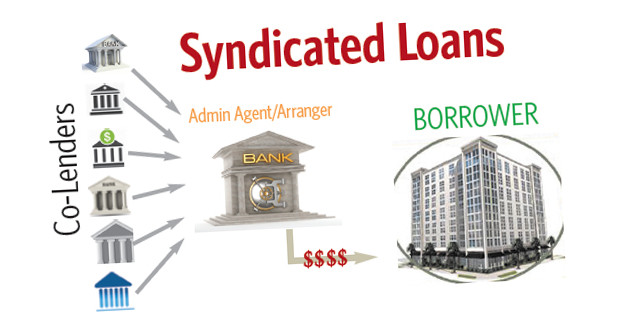
Islamic syndication transactions could include any type of Islamic finance products. By definition, a syndicated facility requires a huge amount of investment cost for project finance or tremendous amount of required debt raised that no single bank could underwrite alone. Hence, the most commonly used Islamic products in syndications are Istisnah, Ijarah, Murabahah and Sukuk where the first two products are widely used in project finance syndications. So how did Islamic syndications performed in 2019? What is the contemplated outlook especially in light of the COVID-19 outbreak?
2019 a review
From a global perspective, Islamic finance market size ranged between US$1.8 trillion and US$2.2 trillion during the period 2017-2019. According to Bloomberg global syndications report for FYE 2019, Islamic syndications volume for mandated lead arrangers role aggregated to around US$29 billion with a total count of deals of 68 transactions. Global syndications volume for the same role aggregated to US$ 4.2 trillion with a total deal count of 7,700.
Hence, Islamic syndications in volume and deal count represented around 0.7% and 0.88% respectively of the global syndication market. This is considered modest figures where global syndication market alone surpassed the total market size of Islamic finance of US$2.2 trillion. Such Islamic syndication performance during 2019 could be attributed to several challenges facing the industry. The complexity of legal documentation in Islamic syndication is considered a vital challenge. This situation is quite obvious when the syndication structure entails more than one product. One example is combining Istisnah with Ijarah and sometimes Murabahah or Mudarabah or Musharakah products under the same syndication umbrella. Another complex structure is also found in some Sukuk syndications by combining Murabahah or Mudarabah with Wakalah or Ijarah.
Such structure necessitates an extra legal and administrative effort to be exerted if compared to a similar conventional transaction. Consequently, discouraging investors from using Islamic syndication products as a result of the higher transaction cost especially advisory and legal documentation fees. Lacking of hedging mechanism in Islamic finance is another market dynamic challenge since Islamic Shariah prohibits the use of speculative derivatives especially futures and options. Such prohibition might not suit the hedging needs for oil and gas companies if they wish to raise funds through an Islamic syndication. Even if possible, this might require exceptional Shariah Board approvals besides additional documentation to link the hedging ISDA with the syndication structure.
On the other hand, some challenges stemmed from geopolitical and market dynamic factors that occurred in 2019. This included but was not limited to oil market volatility, geopolitical tensions in the Gulf region, ambiguity surrounding the Brexit strategy, investors’ appetite to raise funds through IPO’s rather than syndicated loans, currency decline in emerging markets specifically Turkish Lira and syndication banks favoring finance projects that comply with ESG standards.
2020 a preview
That being said, so what is the Islamic syndications outlook in 2020 especially after adding the COVID-19 outbreak? According to most global economic reports, a global recession is expected in 2020 and stagflation in some countries. In addition, combining the COVID-19 impact with an oil price war with sharply decreasing Brent prices depicts a gloomy picture for all markets and investors both conventional and Islamic.
Nevertheless and in my humble opinion, there are two windows of opportunities embedded in Islamic finance syndications. First, Murabahah syndications could be an appealing product to finance mega transactions and projects in countries with high inflation. To curb a COVID-19 induced recession, most countries are pcreating stimulus packages to keep the boat floating. Some of these packages if associated with excessive consumer spending on basic products, might have inflationary impacts. Hence, central banks regulators will have to curb the situation by increasing interest rates.
Conclusion
By virtue, Murabahah as a fixed installment product could act as hedging tool under such circumstances. Islamic banks could use fintech and blockchain technologies to enhance its deposit liabilities cost of fund. Such technologies if properly applied will compensate for the increased use of Murabahah product. Secondly, Green Sukuk will be on the rise due to declining Brent prices and the global trend of applying ESG standards.
Finally and in my humble opinion, Islamic syndications have a golden opportunity to flourish by embedding in its transactions the values of solidarity and compassion during this difficult time. Such values are truly the essence of Islamic Shariah.



Comments
Log in or sign up to join the conversation.