

The current mania surrounding Bitcoin has been spectacular to behold. With its adoption by the Japanese in April of 2017 as a legitimate currency, the Bitcoin price has gone parabolic. From a low of $250 in August of 2015, Bitcoin has smashed through its all-time highs to find a current price above $4000 in less than two years, with the majority of the growth coming in the last four months alone.
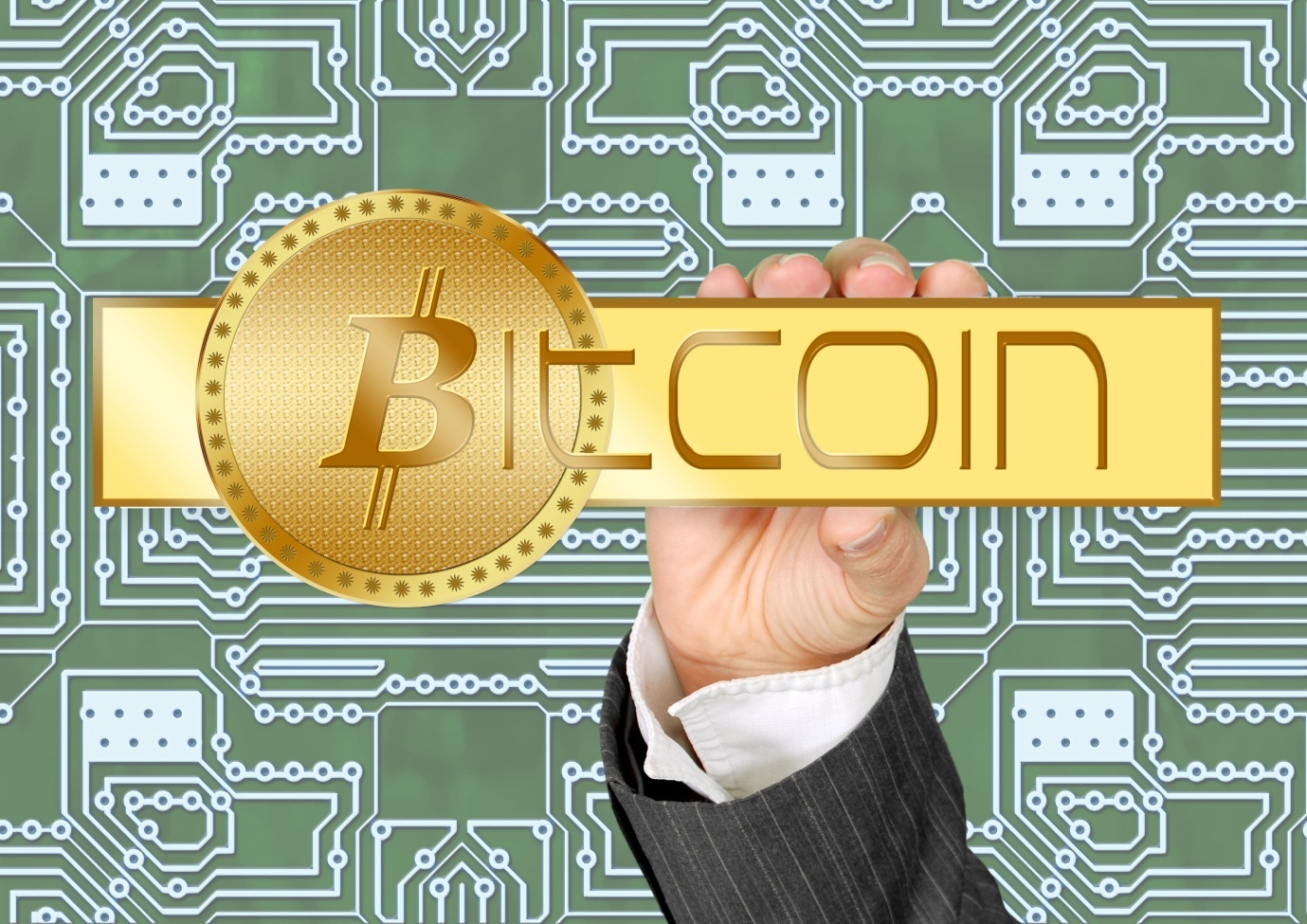
With more retailers accepting Bitcoin for purchases of goods and services, and institutional investors taking an interest in Bitcoin speculation, we have to ask the question; Can Bitcoin be considered money? Experts on money have divided opinions, some state that the cryptocurrency has no intrinsic value. Therefore it does not fulfil the traditional roles of money as a store of value. The counterargument presents the fact that the current global financial system has no intrinsic value either, therefore what matters is the ability for the currency to be exchanged.
Both parties have compelling arguments, but they fail to notice the elephant in the room. Dollars, Euros, Pounds, and Yen are accepted as reserve currencies and used to settle debts, because of the faith that the businesses and citizens of the world have in the currency. In other words, money is simply a system of faith.
If enough people are willing to buy into a system and believe in its principles, then it is decreed that the ‘money’ is fit for use in the same manner as any other currency. This principle is the primary driving factor behind the argument of Bitcoin being money. Bitcoin is growing in demand and exchanges are now seeing daily volume well exceeding $4 trillion dollars a day.
In other words, the velocity of Bitcoin is picking up in the general market place. Velocity is the measurement of how many times a unit of currency changes hands before being stored away or saved. Traditionally, Bitcoin has been a speculative asset, meaning that people are only buying it to speculate on the price. However, more people are turning to Bitcoin to buy goods and services in the global marketplace.
Bitcoin first rose to prominence as a form of exchange on the now-infamous ‘Silk Road’ website. The site existed on the dark web and was a marketplace for criminals to sell illegal products and services. Despite Silk Road being taken down by the FBI in early 2013, Bitcoin continued to grow until Mt. Gox, the world’s largest Bitcoin exchange at the time, announced hacking of their systems and their entire Bitcoin holdings stolen. The news resulted in a market price crash which saw the Bitcoin price bubble burst from over $1,200 to under $250 overnight.
Bitcoin remained at this target price point until late into 2015 when the Chinese devaluation occurred. Millions of wealthy Chinese suddenly realized that they needed to move their wealth out of the country and escape the eyes of the central bank before they announced further devaluation of their currency. Therefore, this event proves the point that the marketplace does, in fact, see Bitcoin as a viable monetary instrument capable of providing a store of value and excellent portability.
Bitcoin has been the best-performing currency for that last two years, one of the reasons for the parabolic price move and the continued record breaking price runs is a growing public awareness in Bitcoin and the advantages it has of national reserve currencies such as the Dollar, Euro, and Yen. Bitcoin can be transferred peer to peer, with no middle man in-between the transaction. Bitcoins decentralized nature allows for this transactional environment where no third party is needed. Governments and central banks cannot control or manipulate the price of Bitcoin.
Therefore, Bitcoin can be considered the world’s first decentralized free-market currency, where the price is set solely by demand for the crypto-haven. This principal circumvents all capital controls and has allowed wealthy investors to move their investment capital out of China to purchase assets in other first world countries around the world. There is no certified training institute to assist the investors with completing their transactions, so Bitcoin has filled the gap.
Chinese capital flight has been directly responsible for the price bubbles in the Toronto and Vancouver markets in Canada. Therefore, we can say that Investors view Bitcoin as a store of value and a monetary instrument that can act as a financial vehicle which can circumvent global financial regulations.
In Closing
While the jury is still out on whether or not Bitcoin is money, investors and the general public alike continue to purchase Bitcoin, even in the midst of the current price mania. With some analysts predicting a Bitcoin price of over $5,000 by the end of 2017, the cryptocurrency will continue its meteoric rise to international monetary stardom.
Comments
Log in or sign up to join the conversation.