

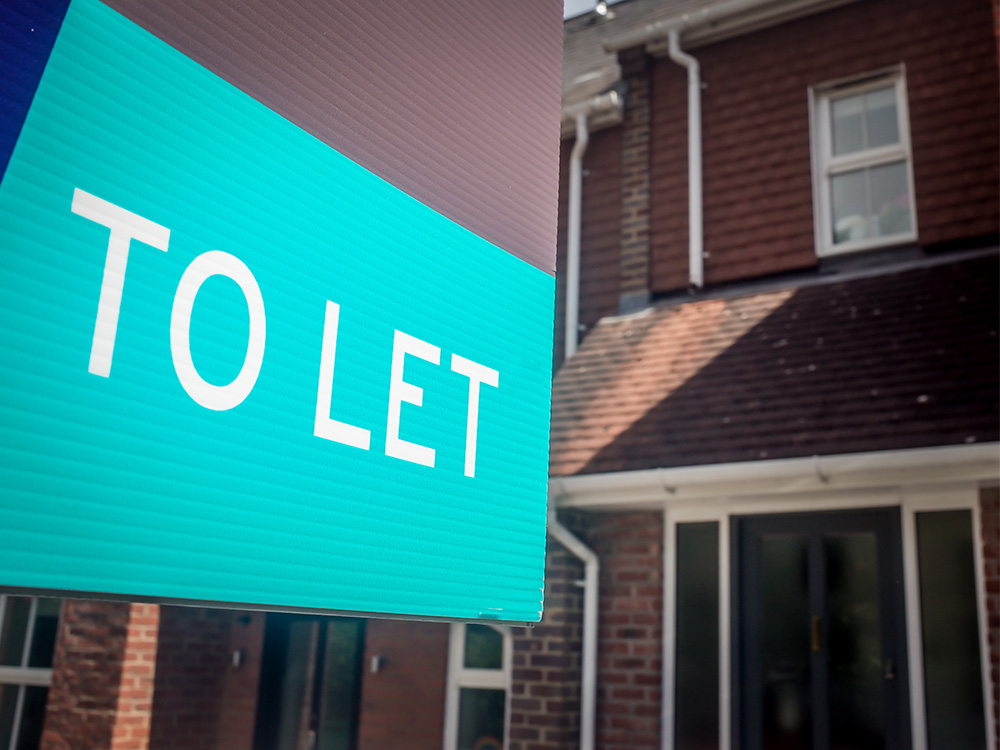
With reductions in mortgage interest tax relief, changes in tax legislation and 3% stamp duty surcharges on second homes reducing the profits for many landlords, is a buy-to-let investment property still worth it?
As Stephen Clark from Finbri property development finance explains, "The BTL market has suffered from multiple tax changes in the last few years, making it harder to achieve substantial profits. However, with the increasing cost of renting and increasing demand for rental property, yields have grown considerably, with little sign of slowing down. This coupled with rising property prices potentially generating increased capital growth; there is still profit to be made in this market."
What has changed in the BTL market?
The BTL market has changed significantly in recent years with the number of tax changes made by the government, making BTL investing less attractive. These changes include a 3% increase in stamp duty on second homes and a reduction in mortgage interest relief available to offset against rental income.
Before 2017, when the amount of mortgage interest relief available steadily began to decrease, higher-rate taxpayers were given a 40% tax break on their mortgage payments. But from April 2020, they now receive a flat-rate tax credit equal to 20% of their mortgage interest, resulting in a 50% reduction in tax relief.
The reduction only affects those in the higher tax bracket, but a change in tax returns legislation may see many basic-rate taxpayers pushed into the higher bracket. Previously landlords could declare rental income after deducting mortgage repayments, which would have lowered the landlord's tax liability, but they are now required to declare the money used to pay their mortgages on their tax returns, resulting in more significant tax payments.
How have profits changed for buy-to-let investments?
Due to a lack of mortgage interest relief available, many higher-rate taxpayers' profits have plummeted as 20% of their previous relief has been cut. This reduction affects those landlords with interest-only mortgages the most, forcing them to pay higher tax rates for their investments.
To see how profits have been affected after the reduction in mortgage interest relief, see the example below:
A private landlord (not an incorporated entity such as a limited company) pays £500 mortgage interest a month and makes £1,000 in rental income.
They'll pay tax on the full £12,000 rental income they earn
They'll pay £6,000 in mortgage interest
They'll get a tax credit of £1,200 (£6,000 x 20%)
A basic-rate taxpayer will pay £1,200 - which is no increase compared to the old rules
A higher-rate taxpayer will pay £3,600 - which is double the amount payable under the old system
Is buy-to-let still a good investment?
A good BTL investment is primarily determined by what you hope to gain from it and the main aim of your investment. Overall, yields are lower than they were a year ago due to tax changes (rise in Stamp Duty), and additional regulation is now necessary for HMOs (housing in multiple occupations) in terms of room size for single or double rental rooms.
To answer the question, here are some benefits and disadvantages of buy-to-investment in 2022.
Benefits of buy-to-let
You’ll generate rental money (possibly less than in previous years). Some locations in the UK have rental yields as high as 11.3%, such as Nottingham. Bradford currently sits at 10.6%, and Manchester at 10.10%. Other locations such as London (N6) have yielded around 2.6%.
At the same time, you might gain capital growth as the value of your property rises.
You can purchase insurance to protect you against the loss of rental income, property damage, and legal fees.
Buy-to-let disadvantages
Your tax burden will be more considerable than it was previously, reducing your profits.
If you do not have the required insurance, you may not be able to produce income if the vacant property.
If property prices were to decline, your capital would be reduced. If you have an interest-only mortgage, you must make up any gap if the property sells for less than you paid.
Stamp duty, insurance, and wear and tear must all be considered.
Being a landlord comes with many responsibilities and newly imposed regulations that you must follow, which can be challenging to manage, especially with more than one property.
How do I begin investing in buy-to-let?
If you're new to BTL investments, here are a few things to look out for when navigating your way through the market.
Step 1: Organise your finances.
Consult with a financial advisor about how much money to invest and what kind of returns to expect. Speak with a broker to acquire the best deal, be it a BTL mortgage or BTL bridging finance and obtain an agreement in principle, so you're ready to make offers when the right property comes along.
Step 2: Locate a suitable property and have your offer accepted.
If the property is already rented, this may be faster than buying a home.
Step 3: Obtain insurance.
Along with building insurance, you should safeguard against unforeseen costs such as tenant injuries, damage, and loss of rent.
Step 4: Locate tenants.
You can find tenants either through an agency or on your own.
Step 5: Keep on top of your investment.
When your existing contract ends, you must continue to examine your financing solution and perform any essential property repairs. You should also ensure that your rental revenue is managed in the most tax-efficient manner possible; an accountant may assist you with this.



Comments
Log in or sign up to join the conversation.