
Learn about ER collets, their uses, sizes, and benefits in CNC machining for better accuracy and stable tool holding.
A Detailed Introduction to ER Collets for CNC Users
Present-day machining requires accuracy and stability along with effective tool holding systems that guarantee efficient manufacture. er collets are highly popular in CNC machining because they facilitate good tool grip minimizing unnecessary movements in the process of cutting. Effective gripping provides improved cutting performance, improved finishing and enables the operator to maintain consistent manufacturing process in industry.
Proper tool holding in CNC machining becomes important since poor grip might result in vibration, rough surface finish and inaccurate cut. The system of collets is designed to offer reliable clamping action while machining parts in activities like drilling, milling, engraving and precision cutting.
What Are ER Collets?
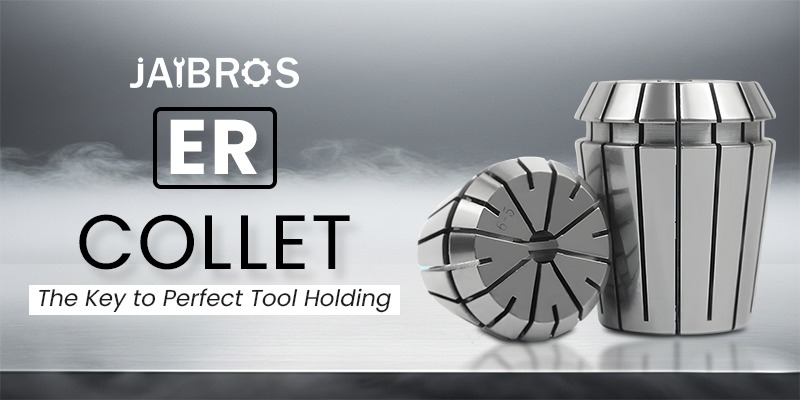
ER collets are clamping components designed to hold cutting tools securely inside CNC machines. These systems are used in different machining operations where stability and precision are required. Their flexible design allows them to grip tools of different diameters while maintaining strong holding pressure during operation.
The design of er collet helps improve machining efficiency because they reduce unwanted tool movement during high-speed cutting. Stable gripping also improves the overall finishing quality of machined parts and supports smooth industrial production. Many workshops and manufacturing units prefer these collet systems because they are easy to use and suitable for multiple machining applications.
Main Features of ER Collet
Strong gripping capability for cutting tools
Better machining accuracy during operations
Reduced vibration and tool movement
Suitable for high-speed machining tasks
Easy installation and replacement process
Long service life with proper maintenance
These features help operators maintain stable machining performance in industrial environments.
Importance of Collet Systems in CNC Machining
Every CNC machining operation requires proper tool stability for accurate cutting results. If the cutting tool is not held correctly, it can affect the quality of the final product and may also damage machine components. Collet systems help maintain proper alignment and reduce operational errors during machining work.
Using high-quality collet systems improves machining consistency and helps operators achieve smoother surface finishing. They also reduce unnecessary stress on cutting tools, which helps increase tool life and reduce maintenance costs in workshops.
Benefits of Using Quality Collet Systems
Improves machining precision
Supports accurate cutting performance
Helps reduce tool wear and damage
Enhances surface finishing quality
Maintains stable machining operations
Improves production efficiency
Many industrial sectors rely on precision machining, where even a small alignment issue can affect product quality. Stable collet systems play an important role in maintaining these standards.
Understanding Different Collet Sizes
Different machining tasks require different gripping capacities depending on the cutting tool diameter and machining operation. Collets are available in multiple sizes to support various industrial applications. Selecting the correct size is important because improper sizing may create vibration and reduce machining accuracy.
Many operators use an er collet size chart to identify the correct gripping range before starting machining work. This helps maintain proper tool holding and improves operational safety during production processes.
There are different er collet sizes available for light-duty and heavy-duty machining applications. Smaller collets are commonly used for precision cutting tools, while larger sizes are preferred for industrial machining operations that require stronger gripping force.
Common Applications of Collet Systems
Milling operations
Drilling applications
Engraving processes
Precision cutting tasks
CNC turning work
Industrial manufacturing operations
These applications show how important collet systems are for modern machining industries.
Role of Collet Holders in Precision Machining
Collet holders connect the collet system to the machine spindle and help maintain proper alignment during machining operations. A quality holder supports stable rotation and improves the overall performance of the cutting process. Poor-quality holders may affect machining accuracy and increase vibration problems.
One commonly used option for industrial machining applications is the er 25 collet holder, which provides reliable gripping support for different cutting operations. Proper holder selection improves machining consistency and supports better operational efficiency in CNC machining environments.
The performance of a machining setup depends on the proper combination of holder, collet, and cutting tool. Operators usually inspect these components regularly to maintain accuracy and reduce operational problems during machining.
Maintenance Tips for Collet Systems
Clean collets after every machining operation
Remove metal dust and debris regularly
Avoid excessive tightening pressure
Replace damaged or worn components immediately
Store collets safely in dry conditions
Check alignment before starting machining work
Regular maintenance helps improve the lifespan of the collet system and supports smooth machining performance.
Choosing the Right Tool Holding Setup
Selecting the right tool holding system is important for maintaining machining quality and operational efficiency. Operators usually consider factors such as spindle compatibility, cutting speed, machining material, and required precision before choosing a suitable setup.
A properly selected cnc tool holding setup helps reduce downtime and improves productivity in industrial workshops. Reliable gripping systems also support continuous machining operations and help manufacturers maintain production consistency.
Different machining applications require different tool holding solutions. Careful selection helps operators achieve better cutting results and reduce unnecessary machine vibration during operation.
Factors to Consider While Selecting Collets
Tool diameter compatibility
Required machining accuracy
Machine spindle type
Cutting speed requirements
Material being machined
Type of machining operation
Understanding these factors helps operators select the right setup for smooth and accurate machining performance.
Common Mistakes to Avoid While Using Collets
Machining problems often occur because of incorrect handling practices and poor maintenance routines.
Common Errors in Workshops
Using damaged collets during machining
Selecting incorrect collet sizes
Ignoring cleaning before installation
Applying too much tightening pressure
Using incompatible holders and tools
Skipping alignment inspection
Avoiding these mistakes improves machining efficiency and helps maintain stable production quality.
Conclusion
Modern machining industries depend on stable and accurate gripping systems for reliable production work. Proper selection and maintenance of er collet help improve machining precision, reduce vibration, and support smooth cutting operations in CNC machining environments. Understanding their applications, sizes, and maintenance methods helps operators achieve better machining performance and long-term operational efficiency. Jaibros provides industrial machining accessories and CNC solutions designed to support precision manufacturing and improve machining productivity.
FAQs
1. What is the main use of ER collets?
They are used to hold cutting tools securely during CNC machining operations.
2. Why is proper collet maintenance necessary?
Maintenance improves tool life, machining accuracy, and operational stability.
3. How do operators choose the correct collet size?
They usually select the size according to tool diameter and machining requirements.
4. Can collet systems improve machining quality?
Yes, proper gripping systems help reduce vibration and improve cutting performance.
Comments
Log in or sign up to join the conversation.