
Walk through the doors of a typical dance shoe factory, and you will hear the rhythmic pounding of automated presses and conveyor belts moving hundreds of identical shoes toward packaging. Step inside Suphini’s workshop, and the sound changes completely. Here, you hear the quiet scratch of hand knives cutting leather, the murmur of fitters discussing a dancer’s arch measurement, and the occasional thud of a last being adjusted on a bench. This is not a factory in the traditional sense. It is a workshop where old-world craftsmanship meets modern biomechanics, and that unusual marriage is exactly what separates Suphini from every other name in the dance shoe industry.
The Master Last Maker Who Knows Your Foot by Number
At the heart of Suphini’s operation sits a person you will rarely see mentioned in marketing materials: the master last maker. This artisan has spent decades learning how to translate two-dimensional measurements into three-dimensional wooden or plastic forms that mimic living, moving feet. While other companies buy generic lasts from overseas catalogs, Suphini’s last maker modifies every single form by hand. He adds foam here, carves away material there, and constantly references handwritten notes from previous fittings. When a dancer has an unusual combination—say, a narrow heel with a very wide toe splay—he does not shrug helplessly. He reaches for his tools and solves the problem.
Leather Sourcing That Prioritizes Suppleness Over Uniformity
Most large manufacturers demand perfectly uniform hides because uniformity looks good on a spec sheet. Suphini takes the opposite approach. Their leather buyers search for hides that show natural flexibility, even if that means slight variations in grain or color. They specifically reject leather that has been heavily sanded or coated to hide imperfections because those treatments stiffen the material. A Suphini shoe uses full-grain leather from the belly and shoulder areas of the hide—the parts with the most natural give. This choice means your shoes will mold to your foot within hours rather than weeks, and they will breathe better than shoes made from corrected-grain leather that has been sealed with plastic coatings.
The Hand-Stitching Difference in High-Stress Zones
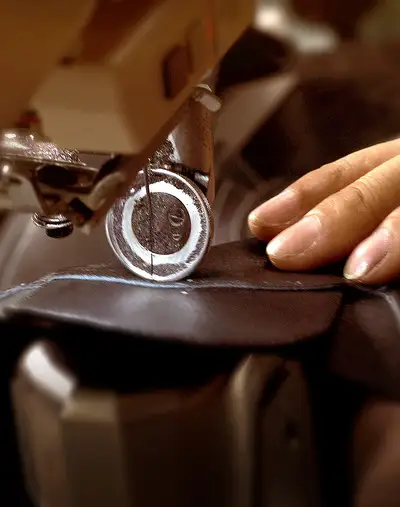
Look closely at a Suphini shoe alongside a mass-produced competitor, and one difference jumps out immediately: the stitching. Industrial machines sew at incredible speeds, but they cannot adjust tension on the fly when moving around curved areas like the heel cup or the toe box. Suphini’s stitchers handle these high-stress zones by hand, using specialized curved needles and waxed threads that resist fraying. They leave extra thread length in areas that experience stretching, allowing the seam to move with your foot rather than tearing. This hand-finishing takes three times longer than automated stitching, but it also means your shoes will not blow out at the sides after three months of chaînés and pivots.
In-House Sole Shaping Rather Than Outsourced Components
Here is a secret most dance shoe manufacturers companies do not want you to know: they rarely make their own soles. Instead, they order pre-cut soles from third-party suppliers and simply glue or stitch them onto uppers. Suphini maintains an entire in-house sole workshop where craftspeople cut, bevel, and sand each sole specifically for the last it will accompany. A Latin sole gets a different edge bevel than a smooth sole. A practice shoe receives a slightly thicker heel block than a competition shoe. By controlling sole production internally, Suphini ensures that the critical interface between dancer and floor is never a compromise.
The Fitting Room Where Dancers Become Collaborators
Most shoe manufacturers never meet the people who wear their products. Suphini maintains an actual fitting room where dancers sit across from fitters who ask questions and listen to answers. A dancer might say, “The left shoe feels perfect, but the right shoe pinches near my tailor’s bunion.” The fitter does not nod sympathetically and offer a generic insole. Instead, they mark the spot with chalk, pull out a stretching tool, and adjust that single shoe within minutes. This collaborative relationship means problems get solved in real time, and those solutions get recorded for future pairs. Dancers leave feeling heard, not processed through an assembly line.
Quality Control That Tests Movement, Not Just Appearance
Standard quality control involves checking for loose threads, crooked seams, and scuffed leather. Suphini’s quality control goes much further. Each finished pair is handed to a test dancer who performs a short routine in the shoes—turns, jumps, quick directional changes. The test dancer notes any unexpected slipping, any pressure points that only appear during movement, any heel lift that was not apparent when standing still. If a pair fails this movement test, it goes back to the bench for adjustment. This extra step adds time and cost, but it catches problems that visual inspection never would. It is the reason Suphini shoes feel right from the first dance, not the hundredth.
The Open-Book Policy on Materials and Sourcing
Ask most shoe manufacturers where their leather comes from or what type of adhesive they use, and you will receive vague answers. Suphini operates with unusual transparency. They will tell you the tannery that produced your leather, the country where the thread was spun, and the exact formulation of the heel adhesive. This openness is not just about ethics—it is about accountability. When a dancer develops an allergic reaction or needs to avoid certain animal products, Suphini can trace every component and offer alternatives. That level of honesty builds a trust that no advertising campaign could ever replicate. In a world of hidden supply chains, Suphini chooses to let the light in.
Comments
Log in or sign up to join the conversation.