

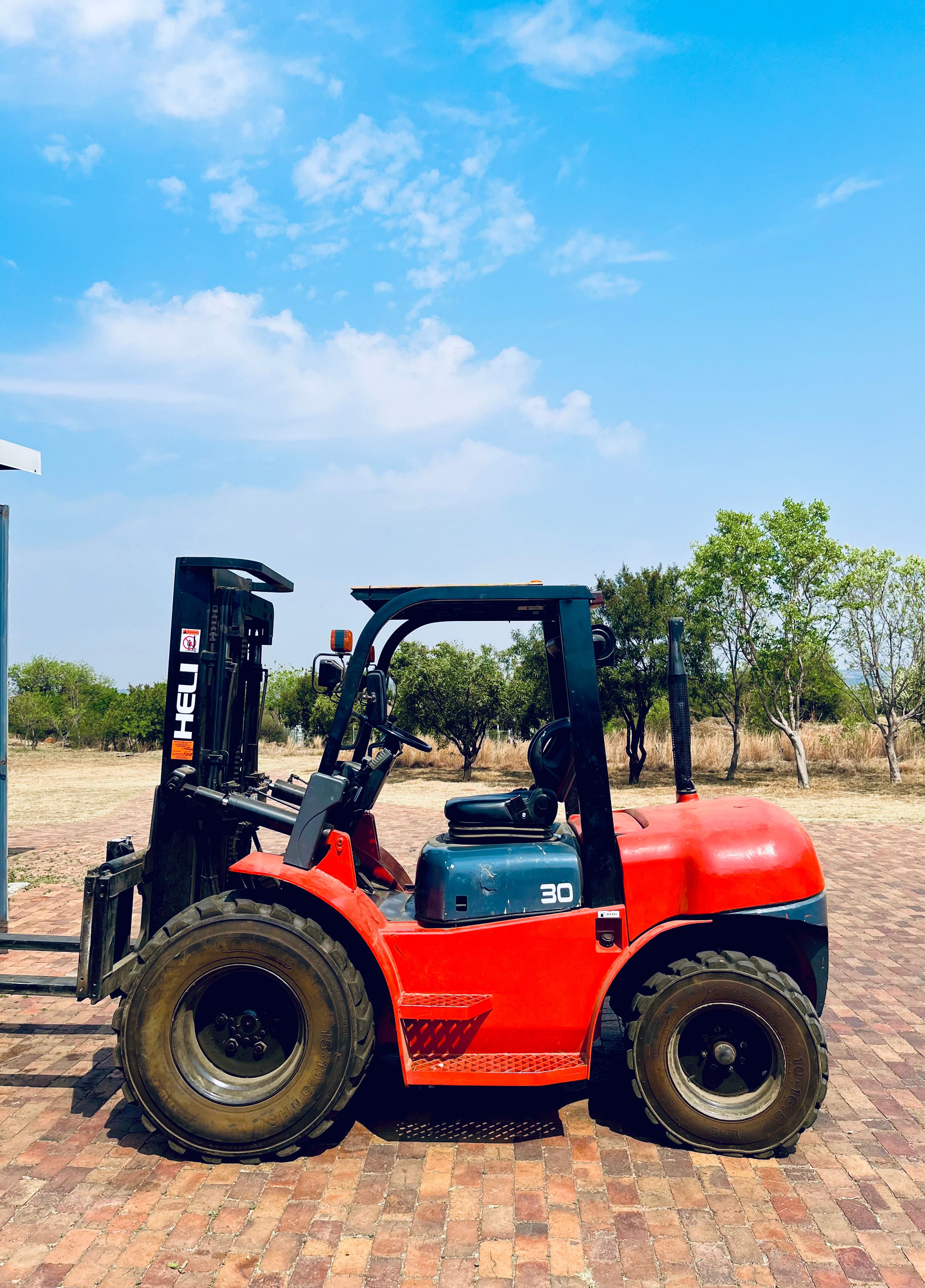
Forklifts are only as effective as the tires they run on. In industrial environments, where constant movement, heavy loads, and tight operating conditions are the norm, forklift tires play a critical role in safety, efficiency, and overall equipment performance. They are often overlooked until problems arise, yet they are one of the most heavily stressed components of any material handling fleet.
Selecting the right forklift tire is not just a maintenance decision—it is an operational one. The wrong tire choice can reduce productivity, increase wear on equipment, damage flooring, and even create safety risks for operators. Understanding how different tire types perform in indoor environments helps ensure that forklifts operate smoothly, efficiently, and safely over time.
Why Forklift Tires Matter More Than You Think
Forklift tires are the direct connection between the machine and the warehouse floor. Every movement, lift, turn, and load transfer depends on tire performance. Because of this constant contact, tires experience some of the highest levels of wear in any industrial equipment system.
Over time, tire selection can influence fuel or battery efficiency, maneuverability, load stability, and maintenance costs. A poorly matched tire type may lead to uneven wear patterns, increased rolling resistance, or reduced traction. These issues don’t just affect equipment—they impact overall warehouse productivity.
For indoor operations especially, choosing the correct tire type helps maintain smooth workflow, protect flooring surfaces, and ensure operators can maneuver safely in tight spaces.
The Two Main Types of Forklift Tires
Indoor forklift applications typically rely on two primary tire categories: cushion tires and pneumatic tires. Each serves a specific purpose, and understanding their differences is essential when selecting the right option for your operation.
Cushion tires are the most commonly used option in indoor warehouse environments. They are designed for smooth surfaces and tight maneuverability, making them ideal for distribution centers and storage facilities. Pneumatic tires, on the other hand, are more commonly associated with outdoor use but may be used in select indoor environments where surface conditions or load requirements demand them.
While both types have their place, cushion tires are the standard choice for most indoor material handling operations due to their efficiency and control.
Cushion Tires and Their Role in Warehouse Operations
Cushion forklift tires are constructed from solid rubber that is molded and pressed onto a steel band. This design creates a compact tire profile that enhances maneuverability, especially in narrow aisles and densely packed warehouse layouts.
One of the key advantages of cushion tires is their ability to provide a stable and controlled ride on smooth surfaces. Warehouses and distribution centers typically have clean, even flooring, which allows these tires to perform at their best. Their low profile also allows forklifts to operate more efficiently in environments where space is limited.
Another important benefit is cost efficiency. Cushion tires generally require less material to manufacture and tend to last longer in appropriate indoor conditions. This makes them a practical choice for high-use environments where forklifts operate throughout the day.
Smooth vs. Lugged Cushion Tire Options
Not all cushion tires are the same, and selecting the right surface design can make a noticeable difference in performance.
Smooth cushion tires are designed for clean, even warehouse floors. They provide a quiet and stable ride while reducing vibration during transport. These tires are ideal for environments where forklifts primarily move pallets over short to medium distances in controlled conditions.
Lugged or treaded cushion tires are designed for more variable surfaces. They offer better traction in environments where floors may be uneven, damp, or exposed to light outdoor conditions. While they provide improved grip, they may wear slightly faster on smooth indoor flooring and can sometimes leave marks depending on the material composition.
Choosing between smooth and lugged designs depends on how and where the forklift will be used within the facility.
Polyurethane Cushion Tires and Performance Efficiency
In some industrial settings, polyurethane cushion tires are used as an alternative to traditional rubber tires. These tires are known for their durability and resistance to damage such as chipping, chunking, or splitting.
Polyurethane tires also offer lower rolling resistance, which can improve energy efficiency and reduce strain on forklift motors. This can be especially beneficial in high-frequency operations where equipment is in constant use.
Another advantage is their extended lifespan compared to standard rubber tires. However, they typically come at a higher upfront cost and provide a firmer ride, which may not be ideal for every application.
Polyurethane tires are often selected for specialized environments, including cold storage facilities or areas where floors may have moisture or light debris.
Non-Marking Forklift Tires for Clean Environments
Some indoor environments require tires that will not leave visible marks on flooring. This is especially important in retail spaces, food distribution centers, and customer-facing facilities where appearance matters as much as performance.
Non-marking cushion tires are designed specifically for these environments. Instead of traditional carbon black, these tires use alternative compounds that prevent dark scuff marks on floors while maintaining similar operational performance.
While they function similarly to standard cushion tires, they may have a slightly shorter lifespan depending on usage conditions. However, their ability to preserve clean flooring surfaces makes them essential in certain industries.
Understanding Tire Sizing and Fitment
Forklift tire sizing follows a standardized measurement system that includes outside diameter, width, and rim diameter. For example, a tire labeled 18x8x12⅛ indicates an 18-inch outer diameter, an 8-inch width, and a 12⅛-inch rim size.
Correct sizing is essential for safe operation. Using improperly sized tires can affect forklift stability, load handling, and overall performance. It is always important to match tire specifications precisely to the manufacturer’s requirements.
Pneumatic Tires in Indoor Applications
Although cushion tires dominate indoor environments, pneumatic tires are sometimes used in specific industrial settings. These include facilities where floors may be uneven, debris is present, or heavier lifting capacity is required.
Solid pneumatic tires may also be used in indoor applications where durability is more important than maneuverability. These tires provide additional shock absorption and are better suited for mixed indoor-outdoor environments.
However, due to their larger profile and different handling characteristics, pneumatic tires are generally less common in traditional warehouse settings.
The Importance of Clean Warehouse Floors
Tire performance is closely linked to floor conditions.
A clean, well-maintained floor reduces tire wear, improves traction, and helps extend equipment lifespan. Debris, dust, and spills can all contribute to premature tire damage, including chunking or uneven wear patterns.
Many facilities use industrial sweepers and scrubbers to maintain clean surfaces and reduce contamination risks. This not only protects forklift tires but also improves overall workplace safety by reducing slip hazards and maintaining predictable traction conditions.
Maintaining clean floors is one of the simplest yet most effective ways to extend the life of forklift tires.
When Forklift Tires Need to Be Replaced
Like all industrial components, forklift tires have a limited service life. Recognizing when replacement is needed is essential for maintaining safe and efficient operations.
Most cushion tires include a wear indicator line that signals when the tire has reached the end of its usable life. If this line is no longer visible, or if the tire has worn down significantly, replacement should be scheduled immediately.
Other signs of tire replacement include cracks, chunking, uneven wear, or visible structural damage. Continuing to operate equipment on worn tires can reduce stability and increase the risk of accidents.
Regular inspections help ensure that tire wear is addressed before it becomes a safety concern.
Choosing the Right Tire for Long-Term Performance
Selecting industrial forklift tires is not a one-size-fits-all decision. The right choice depends on operating conditions, load requirements, surface type, and usage frequency. While cushion tires are ideal for most indoor applications, variations such as polyurethane or non-marking options may provide additional benefits depending on the environment.
Working with knowledgeable material handling specialists can help ensure that tire selection aligns with operational goals. The right tires not only improve forklift performance but also contribute to safer, more efficient warehouse operations overall.
In industrial environments where productivity and safety are closely connected, forklift
Comments
Log in or sign up to join the conversation.