
Ask most people which is more dangerous—the smoggy city street or their own living room—and they will almost always point to the outdoors. It makes intuitive sense, right? Car exhaust, industrial smoke, and pollen clouds seem far more threatening than the quiet air inside your home. But here is the truth that environmental scientists have known for decades: indoor air is typically two to five times more polluted than outdoor air, and in some tightly sealed modern homes, it can be up to one hundred times worse. The real surprise is not that factories and freeways release toxins, but that our own kitchens, cleaning cabinets, furniture, and even scented candles often produce a more concentrated and continuous exposure than anything we breathe while walking down a city sidewalk.
Where Outdoor Air Falls Short
Let us give outdoor air its due criticism first. In dense urban areas, vehicle emissions release nitrogen dioxide, carbon monoxide, and fine particulate matter small enough to bypass your lungs’ natural defenses and enter your bloodstream. Industrial zones add volatile organic compounds and heavy metals to the mix. Agricultural regions battle pesticide drift and soil dust. On high-pollution days or during wildfire season, spending time outside genuinely carries health risks, especially for children, elderly people, and those with asthma or heart conditions. The key difference, however, is that outdoor air constantly moves and dilutes. Even a bad air day outdoors changes with the next weather front or even the next hour. You can check your local air quality index, plan your walk for a cleaner time, and trust that the problem is temporary.
The Hidden Culprits Inside Your Four Walls
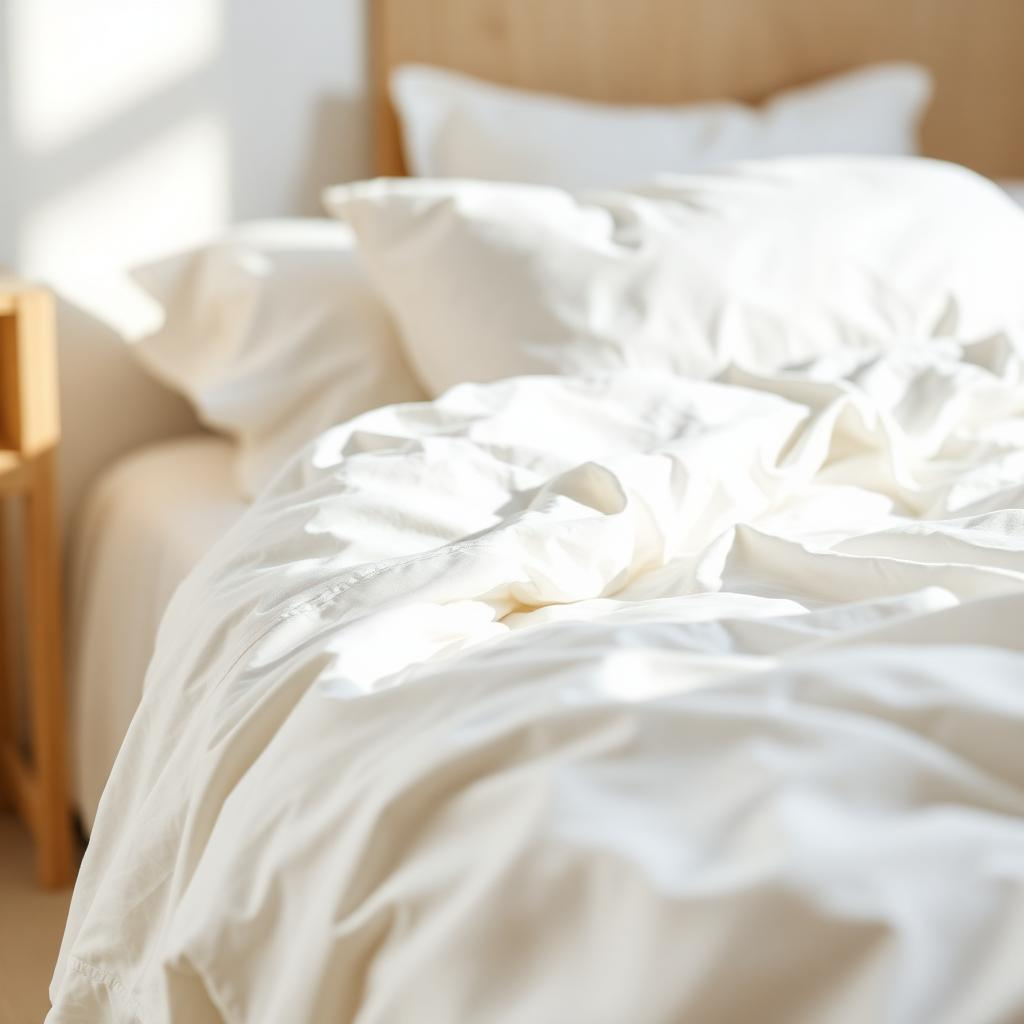
Indoor air pollution operates on a completely different playing field because the sources are numerous and often running twenty-four hours a day. Your pressed wood cabinets and laminate flooring slowly release formaldehyde. Your scented candles, air fresheners, and dryer sheets emit phthalates and synthetic musks. Your gas stove produces nitrogen dioxide every time you cook. Your vacuum cleaner, if it lacks a HEPA filter, stirs up settled dust and pet dander rather than removing them. Your basement might harbor mold spores that drift upward through floorboards. Your mattress and pillows contain dust mite colonies that feed on your dead skin as you sleep. Unlike outdoor pollution, these indoor sources do not take breaks when the wind shifts. They accumulate over time, creating a low-level chemical and biological stew that you breathe continuously.
Why Time Spent Indoors Magnifies the Risk
Exposure is not just about how dirty the air is—it is about how long you breathe it. The average American spends roughly ninety percent of their life indoors, split between home, work, school, and vehicles. Even if outdoor air were twice as polluted per breath, you inhale so many more breaths inside that the total dose of indoor pollutants typically exceeds outdoor exposure by a large margin. Think about your typical winter day. You wake up in a closed bedroom, eat breakfast in a kitchen with the exhaust fan off, drive to work with the windows up, sit for eight hours in an office building with recirculated air, drive home, make dinner on a gas stove, and sleep in that same bedroom with the door shut. That is nearly twenty-four hours of accumulated indoor exposure compared to perhaps thirty minutes of outdoor air. The math is not even close.
Ventilation Makes or Breaks the Comparison
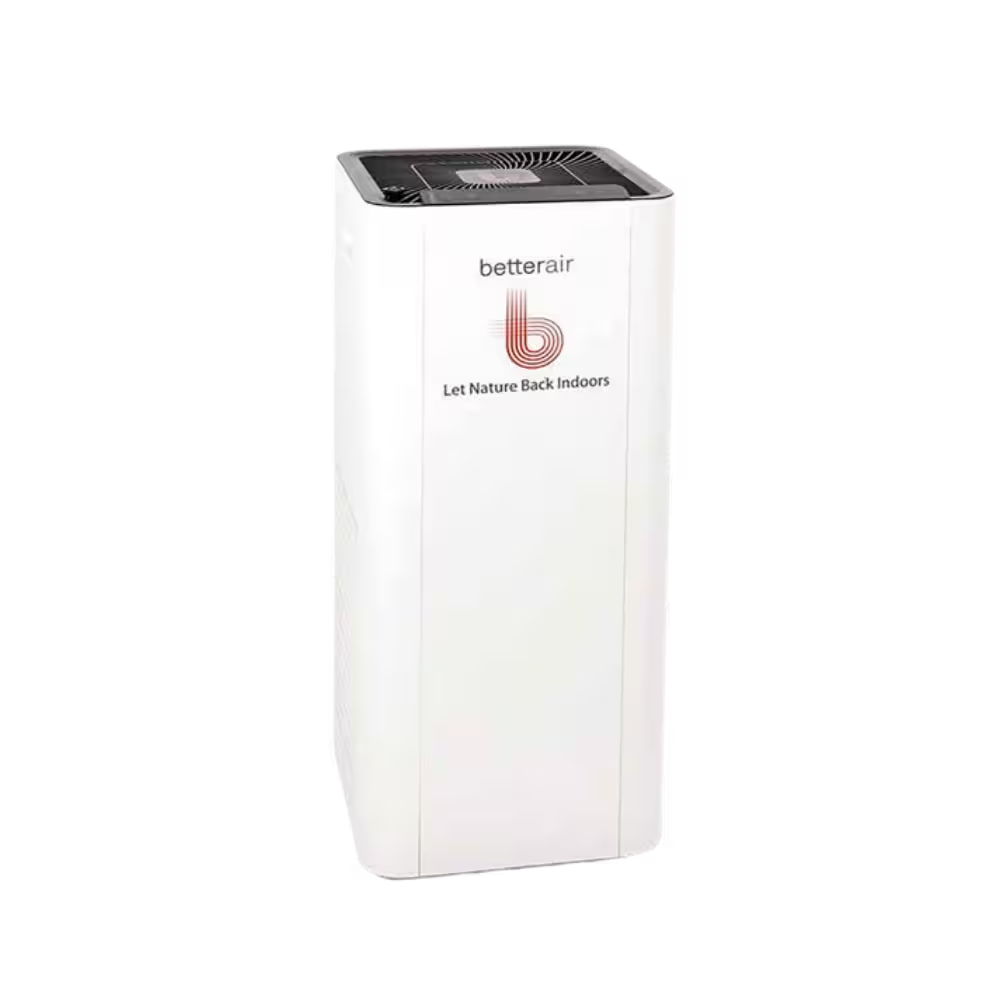
The single biggest reason indoor air often beats outdoor air in the pollution race is lack of dilution. Outdoors, even a crowded city street benefits from atmospheric mixing. Indoors, you are essentially sharing a sealed box with whatever you have brought inside. A home with poor ventilation traps everything: cooking particles, cleaning chemical residues, learn more off-gassed furniture fumes, and biological waste from pets and people. This is why older drafty homes sometimes have better indoor air quality than newer energy-efficient models. Those unintentional gaps and cracks provided constant fresh air exchange. Modern building practices seal homes tightly to save heating and cooling costs, which is wonderful for your utility bill but terrible for your lungs unless you intentionally add mechanical ventilation or open windows regularly.
What You Cannot Smell May Hurt the Most
Here is a dangerous twist to the indoor versus outdoor debate: many of the most harmful indoor pollutants have no odor at all. Carbon monoxide from a malfunctioning furnace or attached garage is completely invisible and scentless until it makes you seriously ill. Radon gas, which causes thousands of lung cancer deaths annually, seeps up from soil beneath basements with no smell or color. Formaldehyde, while having a sharp smell at high levels, often lurks at low concentrations that your nose stops noticing after a few minutes of exposure. Outdoor pollution, by contrast, usually provides sensory warnings. Smog burns your eyes. Heavy exhaust makes you cough. Wildfire smoke has an unmistakable campfire smell. Indoors, you can be breathing dangerous compounds without any clue until health problems gradually emerge.
Which One Should You Actually Worry About First
The honest answer is that most healthy people should prioritize indoor air quality improvements before stressing about outdoor pollution. You have tremendous control over your home environment. You can switch to natural cleaning products, improve ventilation, test for radon, maintain your gas appliances, reduce clutter that collects dust, and keep humidity balanced. Outdoor air, by comparison, is largely beyond individual control beyond checking daily indexes and choosing when to go outside. There are certainly places and times where outdoor air presents an acute danger—near an active wildfire or on a red alert smog day—and you should absolutely stay inside with windows closed during those events. But for day to day living, the air you breathe while sleeping, cooking, and relaxing in your own home deserves your first and fullest attention.
Comments
Log in or sign up to join the conversation.